 Mon to Thur 9am- 6pm and Friday 9am- 8pm; Saturday 9am-3pm.


 smileleaguedental@gmail.com

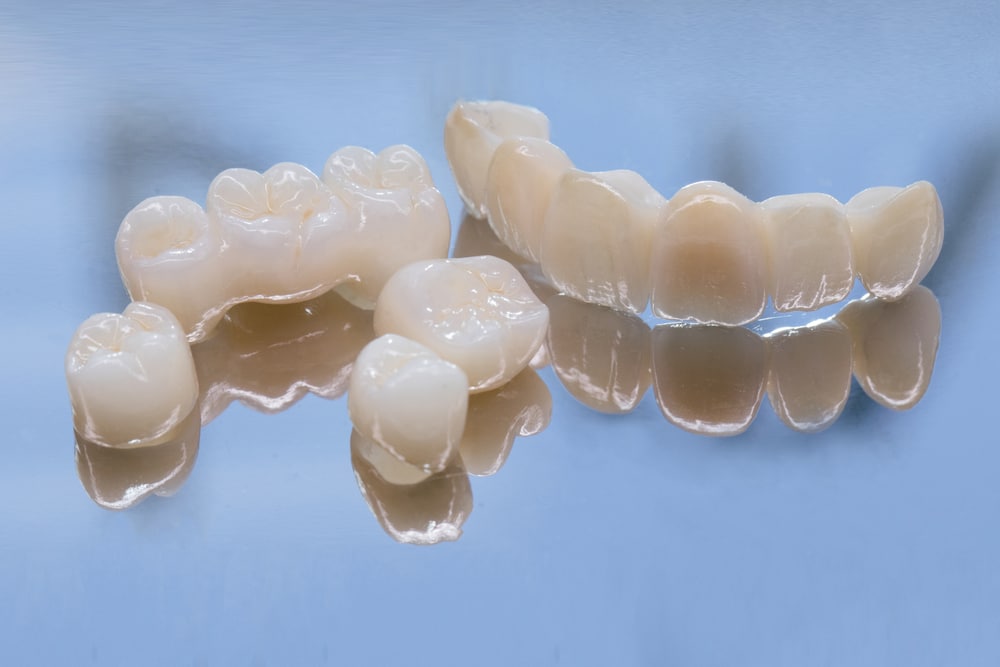
Losing a tooth can affect how you chew, speak, smile, and care for the teeth nearby. At Smile League Dental in Joilet, I want you to know that replacing a tooth is about more than just looks. The right treatment should protect your bite, support your oral health, and match the condition of your remaining teeth and bone. Both dental bridges and dental implants can replace missing teeth, but they work in different ways. Dr. Morolayo Oluyemi (DMD MPH BDS) recommends starting with a thorough exam, clear imaging, and an open conversation about long-term care.
When you lose a tooth, the nearby teeth can start to shift, the tooth above or below may move, and chewing pressure can become uneven. Over time, this might change your bite, trap food, irritate your gums, wear down teeth, and make cleaning harder. A fixed dental bridge fills the gap by using the teeth next to the space or implants for support. A dental implant replaces the missing tooth root with a small post in the jawbone, which then holds a crown, bridge, or denture after it heals. The American Dental Association explains that bridges use artificial teeth attached to nearby teeth, while implants can support crowns, bridges, or dentures depending on how many teeth are missing.
How A Dental Bridge Replaces A Missing Tooth
A traditional dental bridge usually puts crowns on the teeth next to the missing one. These crowned teeth hold an artificial tooth in the middle, called a pontic. This option works well if the neighboring teeth already need crowns or have large fillings. It can also be a good choice if you want to avoid surgery or prefer a fixed solution that is often finished faster than an implant. If those teeth are healthy and untouched, preparing them for crowns may remove tooth structure that would otherwise remain intact. A bridge also requires careful cleaning under the pontic, because food and plaque can collect beneath it. Cleveland Clinic explains that dental bridges can restore chewing function, improve appearance, and support oral health, but they rely on crowns and artificial teeth to span the missing space.
How A Dental Implant Replaces A Missing Tooth
A dental implant works differently because it replaces the root of the missing tooth. Once the implant is placed and has healed, it can hold a crown without needing support from the teeth next to it. This is especially useful if the teeth on either side are healthy. Implants can also support bigger restorations if you are missing several teeth.
Getting an implant usually takes longer than getting a bridge because the bone needs time to heal around the implant before the final tooth is added. Some people may also need bone grafting first. Mayo Clinic says dental implant surgery can involve several steps, and risks may include infection, injury to nearby areas, sinus issues, or nerve injury, depending on your situation.
Which Is Better For Your Mouth?
There is no one-size-fits-all answer. A bridge might be best if the teeth next to the gap are already weak or need crowns. An implant could be better if the nearby teeth are healthy and there is enough bone. Bridges are often quicker and may cost less at first. Implants can help keep your natural teeth intact and may last longer if you are a good candidate and keep up with oral hygiene.
At Smile League Dental, I also look at your bite force, gum health, bone levels, smile line, medical history, smoking habits, diabetes control, teeth grinding, medication history, and how well you can clean the restoration. Dr. Morolayo Oluyemi (DMD MPH BDS) never recommends treatment based only on looks. Planning is different for a front tooth, a back molar, a single missing tooth, or several missing teeth.
What Patients Should Ask Before Choosing
Before you decide between a bridge and an implant, ask what will happen to the teeth next to the gap. Find out if there is already bone loss. Ask how you will need to clean the restoration, how long the treatment will take, and what kind of maintenance is needed. Also, ask what your options are if the restoration fails in the future.
A good treatment plan should explain both the benefits and what you need to do to keep your mouth healthy. Bridges require floss threaders, special brushes, or water flossing to clean around and under the pontic. Implants need healthy gums, great hygiene, and regular dental checkups. Neither option will last without proper care. The goal is not just to fill the gap, but to restore function in a way that is healthy, easy to clean, and right for your mouth.
Call Smile League Dental In Joliet
If you are comparing dental bridges and dental implants, Smile League Dental can help you make a careful and informed decision. Dr. Morolayo Oluyemi (DMD MPH BDS) evaluates the condition of your teeth, gums, bone, and bite before recommending a treatment plan. The goal is to replace missing teeth with a result that feels comfortable, looks natural, and supports long-term oral health.
Contact the Joliet implant dentist at Smile League Dental at 815-782-6243 to set up your consultation with Dr. Morolayo Oluyemi.

Recent Comments