Getting older does not mean you have to lose your teeth. With good daily care and regular dental visits, your natural teeth can stay healthy for life. As we age, certain factors can make teeth and gums more at risk for problems, such as gum recession, years of use, old dental work, ongoing health issues, and medications that affect the mouth. The American Dental Association lists dry mouth, root and coronal cavities, and gum disease as common concerns for older adults. At Smile League Dental, I believe that knowing about these changes helps you protect your teeth before small issues turn into bigger ones.
It is also important to know that not every dental change in later life is caused by aging alone. For example, while dry mouth is more common in older adults, the National Institute of Dental and Craniofacial Research says it is not a normal part of aging. Medications, health problems, changes in hand strength, past dental issues, and years of wear often play a bigger role in oral health problems. Teeth with fillings, crowns, or other repairs also need to be checked as they get older. Dr. Morolayo Oluyemi (DMD MPH BDS) looks at all these factors instead of assuming dental problems are just a part of getting older.
Gum Recession Can Expose More Vulnerable Tooth Surfaces
Gums can pull back over time, especially if you have gum disease, brush too hard, or have other risk factors. When gums recede, part of the tooth root is left uncovered. The root does not have the same strong enamel as the top of the tooth, so it is more likely to get cavities and feel sensitive.
This is why an older adult might suddenly feel pain from cold foods or drinks, even if the tooth has been there for years. Cavities on the root can also develop differently than those on the enamel. When I examine your mouth, I pay close attention to gum recession, exposed roots, plaque buildup, old dental work, and spots that are harder to keep clean.
Gum Disease Becomes More Important With Age
Periodontal disease is not an unavoidable result of aging, but the effects of gum disease can accumulate over many years. According to the Centers for Disease Control and Prevention, periodontal disease affects the tissues and bone that surround and support the teeth. More advanced periodontitis can involve bone loss and is an important cause of tooth loss in adults.
Bleeding gums, persistent bad breath, gum recession, changes in the way teeth fit together, or teeth that begin to feel loose deserve evaluation. Periodontal disease can sometimes progress with relatively little discomfort, which is why waiting for pain is not a reliable approach. Regular examinations allow me to monitor changes in gum measurements, inflammation, and the supporting structures around the teeth.
Dry Mouth Can Increase The Risk Of Tooth Decay
Saliva plays a protective role in oral health. It helps wash away food particles, buffers acids, supports swallowing, and contributes to the natural protection of tooth surfaces. When saliva production decreases, the risk of cavities, irritation, and certain oral infections can increase.
Older adults are often more likely to take several medications, and many medications can contribute to dry mouth. The National Institute of Dental and Craniofacial Research notes that the use of multiple medications by older adults can result in dry mouth as a side effect. The ADA also reports that patients with xerostomia may experience increased plaque, gingivitis, periodontal disease, and cavities, particularly around exposed roots and cervical areas of teeth.
If your mouth frequently feels dry, I recommend discussing the symptom rather than simply increasing your water intake and ignoring it. Identifying the possible cause can help guide a more appropriate preventive plan.
Teeth And Dental Restorations Experience Years Of Wear
Natural teeth withstand decades of chewing pressure. Grinding or clenching can add considerably more force over time. Teeth may develop flattened surfaces, small cracks, enamel wear, or changes in sensitivity, and older fillings or crowns may eventually need closer monitoring.
A restoration does not necessarily need replacement simply because it is old. I evaluate whether it remains structurally sound, seals appropriately, and continues to protect the tooth. Unnecessary replacement removes additional tooth structure, so treatment decisions should be based on clinical findings rather than age alone.
Dr. Morolayo Oluyemi (DMD MPH BDS) also looks at the entire bite when evaluating wear. A repeatedly fractured tooth, for example, may reflect more than a problem with that individual tooth. Bite forces, grinding habits, missing teeth, and surrounding restorations can all contribute.
Medical Health And Oral Health Often Intersect
Changes elsewhere in the body can influence oral health. Diabetes is one example. The National Institute of Dental and Craniofacial Research notes that people with diabetes can experience oral problems that include gum disease and dry mouth, and dry mouth itself can increase the risk of tooth decay and oral infections.
For that reason, your dental history is only part of the information I need. Current medications, medical diagnoses, recent surgeries, and changes in your health may help explain changes occurring in your mouth. Keeping your medical and dental providers informed can support safer and more coordinated care.
Good Dental Care Can Help You Keep Your Natural Teeth
Tooth loss becomes more common with age, but it should not be viewed as inevitable. The CDC identifies tooth decay and periodontal disease as major causes of adult tooth loss, and both conditions can often be prevented or controlled with appropriate care.
Daily brushing with fluoride toothpaste, cleaning between the teeth, managing dry mouth when present, avoiding tobacco, and keeping appropriate dental appointments remain important throughout adulthood. Your specific schedule should reflect your oral health rather than your birthday. Someone with active periodontal disease, extensive restorations, or significant dry mouth may need a different preventive plan than someone with stable teeth and gums.
Protect Your Teeth And Gums At Smile League Dental In Joliet
Aging changes the conditions in which your teeth and gums must function, but it does not mean dental decline is unavoidable. Recognizing gum recession, dry mouth, periodontal disease, worn dental work, and changing health risks early can give us more options for preserving comfortable function and maintaining natural teeth.
At Smile League Dental, Dr. Morolayo Oluyemi (DMD MPH BDS) provides dental care with attention to both current oral health and the factors that may affect it over time. If you have noticed increased sensitivity, dry mouth, bleeding gums, changes in your bite, or concerns about aging dental work, a thorough examination can help determine what deserves attention.
Vaping Can Increase The Risk Of Gum Problems And Dry Mouth
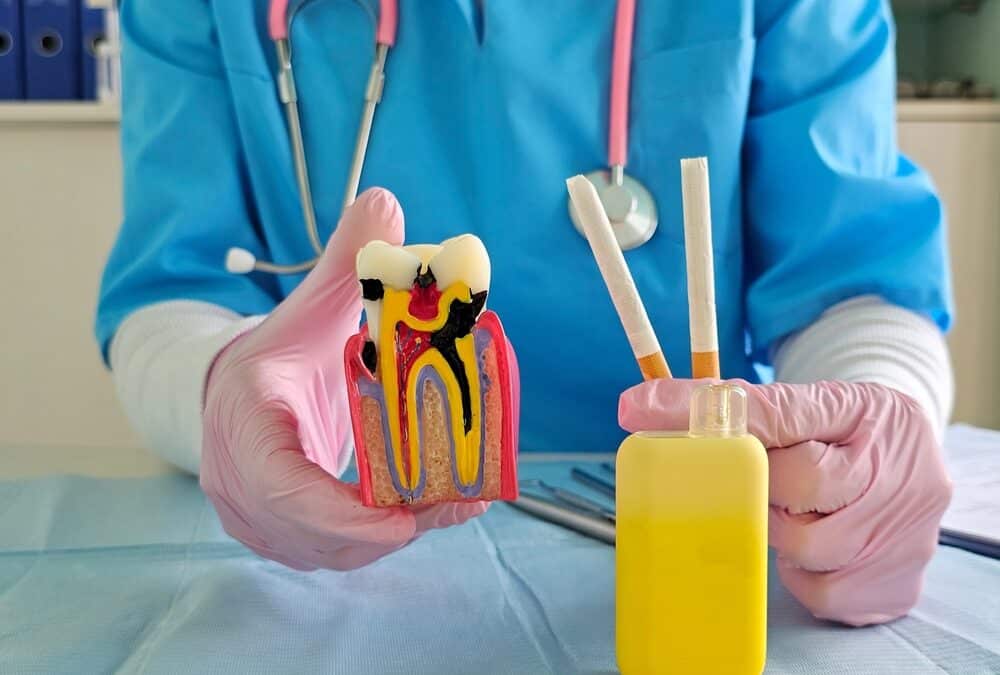
A lot of people think vaping is safer for your mouth than smoking, but new research shows it can still harm your teeth, gums, and the soft parts of your mouth. E-cigarette vapor usually has nicotine, flavorings, and other chemicals that can lower saliva and irritate your mouth.
The Centers for Disease Control and Prevention says nicotine can slow blood flow and make it harder for your body to heal, even in your gums. Many people who vape complain about dry mouth, and having less saliva can raise your chances of getting cavities, bad breath, gum problems, and enamel damage.
Dr. Morolayo Oluyemi (DMD, MPH, BDS), our dentist in Joliet, explains that saliva helps wash away bacteria and keeps acid levels balanced in your mouth. If you have less saliva, plaque and bacteria can build up more easily along your gums and teeth.
Some patients who vape regularly also experience mouth irritation, increased tooth sensitivity, sore gums, or changes in taste. Research published through the National Institutes of Health continues to examine the long-term oral effects of vaping, especially among younger users and individuals who vape frequently throughout the day.
Vaping May Affect Long-Term Dental Health And Healing
Vaping may also interfere with the healing process after dental procedures. Vaping can also slow down healing after dental work like extractions, gum treatments, or implant surgery. Nicotine limits blood flow and slows tissue repair, which can lead to more problems after oral surgery.
Dr. Morolayo Oluyemi always asks about tobacco and vaping habits before planning dental treatments, since these can affect how well you recover. Some flavored vape liquids may contain acidic or sugary compounds that contribute to enamel wear and bacterial growth. While vaping products are sometimes marketed as cleaner alternatives to smoking, they are not harmless to oral tissues or overall dental health.
Dr. Morolayo Oluyemi asks patients to be open about how often they vape during dental visits, so any problems can be caught early. Getting regular cleanings, gum checks, using fluoride, and staying hydrated can help lower some of the risks linked to vaping. If you notice bleeding gums, dry mouth, bad breath, sensitive teeth, or mouth irritation, make an appointment before things get worse.
Dental FAQs About Vaping And Dental Health
Can Vaping Cause Cavities?
Yes. Vaping can lead to cavities because less saliva means bacteria and acids stay on your teeth longer. Some vape liquids also have sweet flavors that can help bacteria grow in your mouth.
Does Vaping Affect Gum Health?
Vaping can irritate your gums and lower blood flow, especially if nicotine is involved. Over time, this can raise your risk of gum inflammation, gum recession, and gum disease.
Is Vaping Safer For My Teeth Than Smoking Cigarettes?
Regular cigarettes are known to cause serious mouth problems, but vaping also has risks for your teeth and gums. Even though the chemicals are different, vaping can still hurt your mouth and slow down healing.
Can Vaping Affect Dental Implant Success?
Yes. Nicotine can slow healing after implant surgery and make it harder for the implant to join with your jawbone. People who vape a lot may have more problems or slower recovery after getting implants.
Contact Our Joliet Dental Office To Schedule Your Examination
If you vape and are worried about your oral health, Smile League Dental can check your teeth, gums, and overall dental health. Contact the Joliet dentist at Smile League Dental at 815-782-6243 to set up your consultation with Dr. Morolayo Oluyemi (DMD, MPH, BDS). Let’s discuss how to protect your mouth from the effects of vaping, dry mouth, gum disease, and enamel damage.
Stress affects far more than mood, sleep, and concentration. Mounting research shows that elevated stress hormones can directly influence oral health, triggering changes in the mouth that increase the risk of tooth damage, inflammation, and gum disease. Many patients at Smile League Dental in Joliet are surprised to learn how closely oral health is tied to the body’s stress response.
As Dr. Morolayo Oluyemi (DMD, MPH, BDS) often explains, the mouth mirrors what is occurring systemically, which is why stress-related symptoms can surface even when brushing and flossing routines have not changed. Understanding these connections helps patients recognize early warning signs before they progress into chronic problems. The Cleveland Clinic and the American Dental Association both note that stress can alter saliva production, immune function, and muscle tension, creating an environment where decay, jaw pain, and periodontal issues are more likely to develop.
When pressure from work, family, or health concerns increases, one of the most common consequences is nighttime teeth grinding, also known as bruxism. Grinding can wear down enamel, fracture restorations, and strain the temporomandibular joint. Some people clench their jaw during the day without realizing it, especially during prolonged periods of concentration or worry.
Stress can also weaken the immune response, making it harder for the body to regulate oral bacteria. This is why gum inflammation, tender tissues, and bleeding during brushing may appear during stressful periods. According to the American Academy of Periodontology, chronic stress is linked to higher rates of periodontal disease. Additionally, people experiencing stress sometimes skip dental appointments, snack more frequently, or choose sugary foods for comfort—habits that contribute to decay.
Dr. Morolayo Oluyemi (DMD, MPH, BDS) emphasizes that these patterns are common but manageable when patients understand what to look for. She encourages patients to monitor subtle changes such as jaw soreness in the morning, gum sensitivity, or chipping along the edges of teeth, as these may signal stress-related strain that should be addressed before it progresses.
To protect long-term oral health, Smile League Dental recommends a balanced approach that supports both physical and oral wellness. Customized night guards can reduce grinding damage, while professional cleanings help control inflammation during stressful periods. Hydration, a nutrient-rich diet, and consistent brushing and flossing remain essential, especially when stress hormones make tissues more reactive.
Patients can also benefit from relaxation techniques, exercise, and improved sleep hygiene, all shown to support healthier oral immune function. Dr. Morolayo Oluyemi (DMD, MPH, BDS) frequently collaborates with patients to identify lifestyle patterns unique to them, tailoring preventive care to reduce the impact of stress on their teeth and gums. Stress may be unavoidable, but its oral consequences can be controlled with early awareness and strategic care.
Dental Care FAQs
Can Stress Cause Tooth Pain Even If I Do Not Have Cavities?
Yes, stress can cause discomfort without decay. Many people clench their jaw or grind their teeth during stressful periods, which strains the muscles and ligaments supporting the teeth. This tension can create a dull ache or sensitivity that feels similar to tooth pain but originates from muscular overuse. Grinding can also irritate the periodontal ligament, creating soreness when biting down. In some cases, sinus pressure triggered by stress-related inflammation can worsen dental discomfort. A dentist can determine whether the source is mechanical, muscular, or structural and develop a care plan to relieve the pressure.
Why Does Stress Increase The Risk Of Gum Disease?
Stress affects immune efficiency, which makes it harder for the body to regulate oral bacteria. When the immune response slows, plaque irritates the gums more easily, leading to swelling, tenderness, and bleeding. Chronic stress can also increase cortisol levels, and elevated cortisol is associated with higher rates of periodontal inflammation. Combined with lifestyle shifts—such as disrupted sleep, skipped brushing, or increased snacking, gum tissues become more vulnerable. Regular cleanings and early evaluation are especially important during prolonged stressful periods.
Is Teeth Grinding Always Caused By Emotional Stress?
Not always, but stress is a significant contributing factor. Some individuals grind due to bite alignment issues or airway problems during sleep. For others, emotional strain increases involuntary clenching, particularly at night. Even if the cause is multifactorial, stress often intensifies grinding episodes. A dental examination can reveal whether enamel wear, chipped edges, or jaw tenderness indicates bruxism. Treatment may involve a night guard, bite adjustment, or strategies that reduce physical tension.
How Can I Protect My Teeth If I Am Going Through A Stressful Period?
Stay consistent with brushing and flossing, maintain regular dental visits, and pay attention to subtle symptoms like jaw soreness or gum irritation. A custom night guard can protect your teeth from grinding, and professional cleanings can help control inflammation. Try to keep hydration and balanced nutrition steady, even when routines feel disrupted. If stress is affecting your sleep, mood, or eating habits, addressing those factors will also support oral health.
Call Smile League Dental Today
Stress affects oral health more than many people realize, and early attention can prevent long-term damage. Smile League Dental provides comprehensive care designed to protect your teeth and gums during stressful times and beyond. Smile League Dental, located at 3587 Hennepin Dr, Joliet, IL 60431, serves patients throughout the Joliet community. Contact the Joliet dentists at Smile League Dental at 815-782-6243 to schedule your consultation with Dr. Morolayo Oluyemi (DMD, MPH, BDS). Call today to safeguard your oral health with attentive, individualized care
Maintaining a healthy smile starts long before brushing or flossing—it begins with the choices we make throughout the day, especially when it comes to snacking. Many patients are surprised to learn that even seemingly healthy snacks can contribute to tooth decay, while others that are less obvious can actually support oral health. As a practicing dentist at Smile League Dental in Joliet, I often tell patients that the key is not just what you eat but how often you eat it and how sticky, acidic, or sugary those foods are. The frequency of snacking matters because every time you eat, oral bacteria produce acids that weaken enamel. Constant grazing can keep the mouth in an acidic state, which increases the risk of cavities—even if you brush well at night.
Smile-friendly snacks tend to be low in sugar, high in water or fiber, and require chewing, which stimulates saliva. Raw vegetables like celery and carrots, fibrous fruits like apples, cheese, plain yogurt, and nuts such as almonds are excellent options. These foods can help neutralize acid, clean tooth surfaces, and provide calcium and phosphate to remineralize enamel. On the other hand, snacks that cling to teeth—such as dried fruit, granola bars, and starchy chips—often contain hidden sugars and can contribute to plaque buildup. Even beverages like flavored water, sports drinks, and fruit juices can be highly acidic and erode enamel over time. As Dr. Morolayo Oluyemi (DMD MPH BDS) often reminds her patients, the best drinks for your teeth are plain water and milk, as they do not fuel the acid attacks that damage teeth. If you must snack, try to do so during mealtimes and rinse with water afterward to help protect your enamel between brushings.
Teeth Healthy Snack Frequently Asked Questions
Why Is Cheese Considered A Good Snack For Teeth?
Cheese is high in calcium and phosphate, both of which are essential for strong teeth. It also stimulates saliva production, which helps wash away food particles and acid. The texture of cheese allows it to form a protective coating on teeth, reducing the impact of acidic foods consumed during a meal. Hard cheeses like cheddar or gouda are especially effective in helping maintain a neutral pH level in the mouth.
Are Dried Fruits Like Raisins Bad For My Teeth?
While dried fruits offer nutrients, they are also sticky and high in natural sugars. These sugars can become trapped in the crevices of your teeth, feeding cavity-causing bacteria. Raisins, dried apricots, and other similar snacks can be particularly harmful if eaten frequently and not followed by brushing or rinsing. If you enjoy dried fruits, it’s best to eat them with meals and follow with water to reduce the acidic environment they create.
Is Snacking Throughout The Day Bad For Oral Health?
Yes, frequent snacking increases the number of acid attacks on your teeth. Each time you eat, bacteria in your mouth produce acids that weaken enamel. When you snack all day, especially on sugary or starchy foods, your teeth don’t have time to recover. This can lead to an increased risk of decay and enamel erosion. To protect your teeth, limit snacks to designated times and stick to water between meals.
What Are Some Easy Tooth-Friendly Snacks For Kids?
Children benefit from the same tooth-friendly options as adults. Sliced apples, cucumbers, carrot sticks, string cheese, and unsweetened applesauce are all great options. Plain yogurt with a sprinkle of cinnamon or a handful of almonds can also make a good choice, depending on the child’s age and chewing ability. Dr. Morolayo Oluyemi (DMD MPH BDS) advises parents to pack school lunches with these items to help reduce sugar exposure during the day.
Contact Smile League Dental For An Dental Cleaning Today
To keep your smile strong and cavity-free, snack smart and choose foods that promote healthy teeth instead of harming them. If you have questions about how your diet might be affecting your oral health, we’d be happy to review your habits during your next visit. Contact our Joliet dental clinic at Smile League Dental by calling 815-782-6243 to schedule your consultation or visit our office at 3587 Hennepin Dr, Joliet, IL 60431. We serve families throughout Joliet and the surrounding areas.
 Mon to Thur 9am- 6pm and Friday 9am- 8pm; Saturday 9am-3pm.


 smileleaguedental@gmail.com



Recent Comments