Missing one or more teeth is a common dental issue that can affect people of all ages. Whether tooth loss results from decay, gum disease, trauma, or aging, leaving gaps untreated can impact more than just your smile. Missing teeth can affect chewing ability, speech, jawbone health, and overall confidence.
Fortunately, modern dentistry from Smile League Dental in Joliet offers multiple effective tooth replacement options. This guide explores the most common solutions for replacing missing tooth or teeth, including their benefits, drawbacks, and who they are best suited for.
Why Replacing Missing Teeth Is Important
Tooth loss is not only a cosmetic concern. When a tooth is missing, surrounding teeth may shift into the empty space, leading to misalignment and bite issues. Additionally, the jawbone beneath the missing tooth can begin to deteriorate due to lack of stimulation, a process known as bone resorption.
Replacing missing teeth can help:
Restore proper chewing and speaking function
Prevent bone loss in the jaw
Maintain facial structure and appearance
Protect neighboring teeth from movement or damage
Improve overall oral health and confidence
Factors That Determine the Right Tooth Replacement Option
Not every solution is right for every patient. Choosing the best option depends on several factors, including:
Number of missing teeth
Location of the missing tooth or teeth
Jawbone density and gum health
Budget and insurance coverage
Long-term oral health goals
A dental professional will evaluate these factors during an exam and imaging process before recommending treatment.
Dental Implants
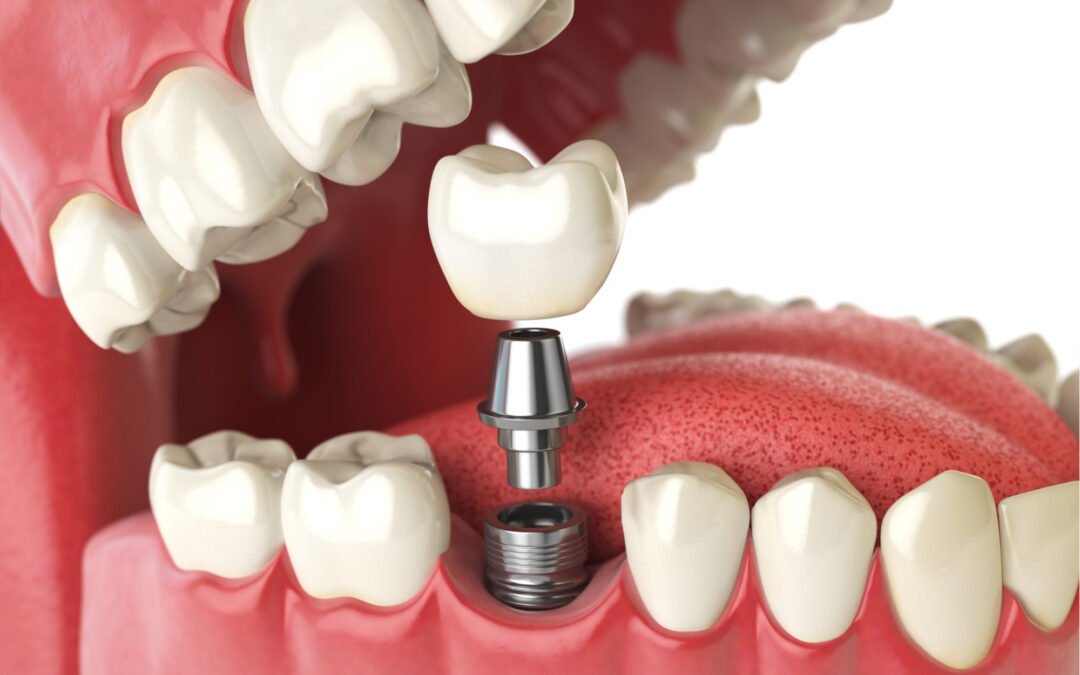
Dental implants are considered the gold standard for tooth replacement. An implant consists of a titanium post surgically placed into the jawbone, which acts as an artificial tooth root. Once healed, a crown, bridge, or denture is attached to the implant.
Best For
Replacing a single missing tooth
Multiple missing teeth
Patients seeking a permanent, long-term solution
Benefits
Look and function like natural teeth
Prevent jawbone loss
Do not rely on adjacent teeth for support
Extremely durable and long-lasting
Considerations
Higher upfront cost
Requires sufficient bone or bone grafting
The treatment process can take several months
Dental implants can last decades or even a lifetime with proper care, making them one of the most cost-effective long-term options.
Dental Bridges
A dental bridge replaces one or more missing teeth by anchoring an artificial tooth (or teeth) to the neighboring natural teeth or dental implants. Traditional bridges rely on crowns placed over adjacent teeth for support.
Best For
One or two missing teeth in a row
Patients who may not qualify for implants
Benefits
Faster treatment than implants
Fixed, non-removable solution
Restores appearance and chewing ability
Considerations
Adjacent teeth must be reshaped
Does not prevent jawbone loss
Bridges typically last 10–15 years
Implant-supported bridges are also available and offer improved durability without relying on natural teeth.
Partial Dentures
Partial dentures are removable appliances designed to replace multiple missing teeth while using remaining natural teeth for support. They may be made from acrylic, metal, or flexible materials.
Best For
Multiple missing teeth in different areas
Patients seeking a lower-cost option
Benefits
More affordable than implants or bridges
Non-invasive treatment
Can be adjusted or replaced easily
Considerations
Less stable than fixed options
May feel bulky at first
Require daily removal and cleaning
Partial dentures are often used as a temporary or transitional solution while planning more permanent treatment.
Complete Dentures
Complete dentures replace all teeth in the upper arch, lower arch, or both. They rest on the gums and are custom-made for comfort and appearance.
Best For
Patients missing all teeth
Severe tooth decay or advanced gum disease
Benefits
Restores full smile and facial structure
More affordable than full-arch implants
Non-surgical option
Considerations
Can slip or shift without adhesive
Reduced chewing efficiency compared to implants
Does not prevent jawbone loss
Implant-Supported Dentures
Implant-supported dentures combine the affordability of dentures with the stability of dental implants. A small number of implants anchor the denture securely in place.
Best For
Patients missing all or most teeth
Those seeking improved stability
Benefits
Significantly more stable than traditional dentures
Improved chewing ability
Reduced bone loss compared to regular dentures
Considerations
Higher cost than traditional dentures
Requires surgical placement of implants
This option is especially popular for full-arch tooth replacement, such as All-on-4 or All-on-6 systems.
Temporary Tooth Replacement Options
Temporary solutions may be used while waiting for permanent treatment or healing.
Flipper Tooth
A removable acrylic tooth used to replace a missing front tooth temporarily.
Temporary Bridge
Used between implant placement and final crown attachment.
These options help maintain appearance and spacing while long-term solutions are prepared.
Cost Considerations for Replacing Missing Teeth
The cost of tooth replacement varies widely depending on the option chosen, the number of teeth replaced, the materials used, and the geographic location. While dental implants often have higher upfront costs, they may offer better long-term value due to longevity and reduced maintenance.
Many dental offices offer:
Financing plans
Payment options
Insurance coordination
How Long Does Tooth Replacement Take?
Treatment timelines vary:
Dental bridges: a few weeks
Dentures: several appointments over weeks
Dental implants: 3–6 months or longer
Your dentist will provide a personalized timeline based on your treatment plan.
Caring for Replacement Teeth
Proper care ensures longevity:
Brush and floss daily
Clean dentures as instructed
Attend regular dental checkups
Avoid smoking and excessive grinding
Replacement teeth require maintenance just like natural teeth.
Choosing the Right Tooth Replacement Option
Replacing missing teeth is an investment in your oral health, function, and confidence. The best solution depends on your individual needs, budget, and long-term goals. Consulting with an experienced dental professional ensures you receive the most appropriate and effective treatment.
Frequently Asked Questions About Replacing Missing Teeth
Why Is It Important to Replace Missing Teeth?
Replacing missing teeth is important for both oral health and functionality. When a tooth is lost, surrounding teeth may shift into the empty space, causing misalignment and bite problems. Additionally, the jawbone beneath the missing tooth can deteriorate over time due to a lack of stimulation. Replacing missing teeth helps maintain proper alignment, preserve bone structure, and restore normal chewing and speaking ability.
What Are the Options for Replacing Missing Teeth?
Common tooth replacement options include dental implants, dental bridges, partial dentures, and full dentures. Dental implants are the most durable and natural-feeling solution, while bridges and dentures offer more affordable or non-surgical alternatives. The right option depends on the number of missing teeth, oral health, budget, and long-term goals.
Are Dental Implants Better Than Dentures or Bridges?
Dental implants are often considered the gold standard because they replace both the tooth and its root, helping prevent bone loss. Unlike dentures, implants do not slip or require adhesives. Unlike bridges, implants do not rely on neighboring teeth for support. However, implants may not be suitable for everyone due to cost, medical conditions, or insufficient bone density.
How Long Does the Tooth Replacement Process Take?
The timeline depends on the treatment option. Dental bridges and dentures typically take a few weeks. Dental implants require a longer process, often three to six months, to allow the implant to fuse with the jawbone. Your dentist will provide a personalized treatment timeline based on your needs.
Is Replacing Missing Teeth Painful?
Most tooth replacement procedures involve minimal discomfort. Local anesthesia and sedation options help manage pain during treatment. Post-procedure soreness is usually mild and temporary, and most patients return to normal activities within a few days.
How Much Does It Cost to Replace Missing Teeth?
Costs vary depending on the type of restoration, number of teeth replaced, materials used, and location of the dental practice. Dental implants generally have a higher upfront cost but may last longer than other options. Many dental offices offer financing plans and accept insurance for certain procedures.
How Long Do Replacement Teeth Last?
With proper care, dental implants can last decades or even a lifetime. Bridges and dentures typically last 5–15 years, depending on maintenance and oral health. Regular dental visits and good oral hygiene are essential for longevity.
Can Missing Teeth Be Replaced Years Later?
Yes. Even if teeth were lost years ago, replacement is still possible. Some patients may require bone grafting due to bone loss, but modern techniques allow successful treatment in many cases.
Call Smile League Dental in Joliet Now
Modern dentistry offers more tooth replacement options than ever before. Whether you are missing a single tooth or multiple teeth, solutions like dental implants, bridges, and dentures can restore both function and aesthetics. Addressing tooth loss promptly can help protect your oral health and improve quality of life for years to come.
Smile League Dental provides comprehensive care designed to protect your teeth and gums during stressful times and beyond. Smile League Dental, located at 3587 Hennepin Dr, Joliet, IL 60431, serves patients throughout the Joliet community. Contact the Joliet dentists at Smile League Dental at 815-782-6243 to schedule your consultation with Dr. Morolayo Oluyemi (DMD, MPH, BDS). Call today to safeguard your oral health with attentive, individualized care
Dental Implants in Illinois: Everything You Need to Know
Dental implants have become the gold standard for replacing missing teeth because they offer long-lasting results, improved oral health, and a natural appearance. Whether you live in Chicago, Naperville, or elsewhere in Illinois, understanding how dental implants work, their benefits, expected costs, treatment process, and what to consider before undergoing treatment will help you make an informed decision about your smile and oral health.
What Are Dental Implants?
Dental implants are surgically placed tooth roots made of biocompatible materials—most commonly titanium—that are anchored into the jawbone to support one or more artificial teeth. Unlike traditional dentures or bridges, implants are fixed into the bone and function much like natural teeth. Implants typically consist of three main components: the implant fixture, the abutment, and the final prosthetic crown, bridge, or denture.
According to the U.S. Food and Drug Administration (FDA), dental implants are medical devices designed to restore chewing ability, appearance, and oral health after tooth loss. They help preserve bone and prevent bone loss that can occur when teeth are missing.
Why Choose Dental Implants? Key Benefits
Dental implants offer several advantages over other tooth-replacement options:
Natural Look and Function
Implants are designed to look and feel like real teeth. Because the implant fuses with the jawbone through osseointegration, it provides strong support for chewing, speaking, and smiling without worrying about slipping or shifting.
Bone Preservation
Bone loss occurs after tooth extraction or loss. Implants help stimulate the jawbone, reducing bone resorption and preserving natural facial structure.
Durability and Longevity
With proper care, dental implants can last decades or a lifetime. They are typically more durable than traditional dentures or bridges.
Improved Oral Health
Unlike fixed bridges, implants don’t require reducing adjacent teeth, which helps preserve your natural tooth structure.
Dental Implant Options in Illinois
Illinois patients have access to multiple implant solutions depending on their needs:
Single Tooth Implants
Used when one tooth is missing. A titanium implant is placed into the jaw and topped with a custom crown.
Multiple Implants
Implants can replace several adjacent missing teeth without affecting surrounding healthy teeth.
All-on-4 and Full Arch Solutions
For full mouth replacements, options such as “All-on-4” use four strategically placed implants to support an entire arch of teeth. The All-on-4 technique has become popular because it offers strong support with fewer implants than traditional full-mouth restorations.
Implant-Supported Dentures
These are removable or fixed dentures anchored by implants, offering better stability than traditional dentures.
Dental Implant Procedure: What to Expect
1. Initial Consultation
Your dentist will perform a comprehensive dental exam, including X-rays and 3D imaging, to assess bone health and plan the implant placement.
2. Preparatory Treatments
Some patients require additional treatments such as bone grafting or sinus lifts before implants can be placed. These procedures help create a stable foundation for the implant.
3. Implant Placement Surgery
During a minor surgical procedure, the implant post is placed into the jawbone. The area is then given time to heal—typically a period of three to six months—to allow osseointegration.
4. Abutment and Crown Placement
Once the implant integrates with the bone, an abutment and then a custom crown or prosthesis are attached.
5. Follow-Up and Maintenance
Regular dental check-ups and daily oral care help ensure long-term success.
Cost of Dental Implants in Illinois
Costs for dental implants in Illinois vary based on the number of implants, materials, additional procedures, and whether advanced techniques are used:
Single Tooth Implant
Typical range: ~$3,000 to $6,000 per implant (implant post, abutment, and crown).
Full Arch or Multiple Implants
Full arch restorations or multiple implants can range significantly higher—sometimes $20,000 to $50,000+—depending on the complexity and method used.
Additional Procedures
Bone grafting, sinus lifts, and other preparatory surgeries may increase total costs.
Insurance & Financing
Most dental insurance plans do not fully cover implants, since they are often classified as elective procedures. However, some plans may cover parts of the treatment, such as the crown or extractions. Patients sometimes use HSAs, FSAs, or third-party financing to manage costs.
Factors Affecting Dental Implant Costs
Several elements influence pricing:
Type of implant and material
Clinic location (e.g., Chicago typically has higher costs than smaller Illinois towns)
Dentist or specialist experience
Number of implants
Need for preparatory treatments
Digital planning and guided surgery equipment
Are You a Candidate for Dental Implants?
Ideal candidates for dental implants typically have:
Good overall oral health
Adequate jawbone density
Healthy gums
Even if a patient has experienced bone loss, bone grafting can often address this. A professional consultation with an experienced implant dentist is essential to determine candidacy.UIC College of Dentistry
Benefits of Dental Implants Compared to Other Options
Compared to teeth replacement alternatives like dentures or bridges, implants offer durability and superior function. While dentures may cost less initially, they often require replacement or adjustment over time. Bridges require altering adjacent teeth, which implants do not. Over many years, implants can be a cost-effective investment.
Risks and Considerations
As with any surgical procedure, dental implants come with potential risks:
Infection
Nerve damage
Implant failure
Smoking and certain medical conditions can affect healing and success rates. Discussing your full medical history with your dentist is important to minimize risk.
Illinois Specific Considerations
Residents of Illinois—especially in urban areas like Chicago, Naperville, Springfield, or Peoria—have access to a wide range of dental implant specialists, including prosthodontists, oral surgeons, and general dentists trained in implantology. Beginning with a consultation at a reputable practice ensures personalized treatment planning and realistic expectations.
Care and Maintenance After Implant Placement
To maintain implants:
Brush and floss daily
Attend regular dental checkups
Avoid tobacco use
Protect against teeth grinding
With proper care, dental implants can remain functional for decades.
Frequently Asked Questions About Dental Implants in Illinois
Dental implants are one of the most advanced and reliable solutions for replacing missing teeth. Patients across Illinois—from Chicago to suburban and downstate communities—choose dental implants for their durability, natural appearance, and long-term oral health benefits. Below are answers to some of the most frequently asked questions about dental implants.
What Are Dental Implants?
Dental implants are artificial tooth roots made of biocompatible materials, typically titanium. They are surgically placed into the jawbone to support a crown, bridge, or denture. Over time, the implant fuses with the bone through a process called osseointegration, creating a strong and stable foundation for replacement teeth.
Who Is a Good Candidate for Dental Implants?
Most adults with one or more missing teeth are candidates for dental implants. Ideal candidates generally have healthy gums, sufficient jawbone density, and good overall oral health. Patients with bone loss may still qualify for procedures such as bone grafting. A dental evaluation is necessary to determine eligibility.
How Long Do Dental Implants Last?
With proper care, dental implants can last decades or even a lifetime. Regular dental checkups, good oral hygiene, and avoiding habits such as smoking or teeth grinding can significantly extend the lifespan of implants. The crown attached to the implant may need replacement over time due to normal wear.
Are Dental Implants Painful?
Dental implant procedures are typically performed under local anesthesia, and some patients may also receive sedation. Most patients report minimal discomfort during the procedure and manageable soreness afterward, similar to a tooth extraction. Post-operative pain is usually controlled with over-the-counter or prescribed medication.
How Long Does the Dental Implant Process Take?
The dental implant process can take several months from start to finish. After the implant is placed, a healing period of three to six months allows the implant to fuse with the jawbone. Once healing is complete, the final crown or restoration is attached. Some patients may qualify for same-day or immediate-load implants.
Are Dental Implants Covered by Insurance in Illinois?
Coverage for dental implants varies depending on the insurance plan. Some Illinois dental insurance policies cover portions of the procedure, such as the crown or surgical placement, while others may not. Many dental practices offer financing options to help make implants more affordable.
How Do Dental Implants Compare to Dentures or Bridges?
Dental implants offer several advantages over traditional dentures and bridges. Unlike dentures, implants do not slip or require adhesives. Unlike bridges, implants do not rely on adjacent teeth for support. Implants also help preserve jawbone structure, preventing bone loss that commonly occurs after tooth loss.
What Is the Success Rate of Dental Implants?
Dental implants have a high success rate, often exceeding 95% when placed by experienced dental professionals. Success depends on factors such as oral health, bone quality, lifestyle habits, and adherence to aftercare instructions.
How Do I Care for Dental Implants?
Caring for dental implants is similar to caring for natural teeth. Patients should brush twice daily, floss regularly, and attend routine dental visits. Maintaining good oral hygiene helps prevent gum disease and ensures the long-term success of implants.
Contact The Joliet Dental Implant Professionals At Smile League
Dental implants are a trusted and effective tooth replacement option for patients throughout Illinois. By restoring function, appearance, and confidence, implants can significantly improve quality of life. A consultation with an experienced dental professional is the best way to determine whether dental implants are right for you.
At Smile League Dental, we are committed to serving individuals and families with the best dental procedures in Illinois. This includes children, adults, and elderly clients. Our clinic is located just two minutes from the Louis Joliet Mall – between Joliet, Plainfield, Crest Hill, and Aurora. We provide excellent diagnostic assessments and cosmetic and preventive dental services in these areas, as well as the wider Chicago area. Book an appointment today by calling 815-782-6243 and take charge of your oral health.
Dental implants are often presented as a long-term or even permanent solution for missing teeth, yet the true lifespan depends on many factors. As Dr. Morolayo Oluyemi (DMD MPH BDS), I believe clarity on expectations and care is essential for patients at Smile League Dental in Joliet. When placed under proper conditions, dental implants can reliably last decades. Some recent research even documents implants still functioning after nearly 40 years. A long-term clinical review of over 10,000 implants reported survival rates at the implant level of 96.8 % after 10 years, and about 94.0 % after 15 years.
However, “lasting a lifetime” is not a guarantee. The crown (the visible tooth attached to the implant) typically undergoes more wear and may require replacement every 10 to 15 years. Many clinicians point out that the titanium post, once well-integrated into healthy bone, is far more durable than the overlying prosthesis.
In addition, a recent long-term follow-up from Sweden showed that implants placed for single-tooth restorations remained functional for several decades, supporting the possibility of multi-decade use under favorable conditions.
Overall, the expected lifespan of an implant can span from 15 to 30 years or more, with many cases extending beyond that with proper care.
Factors That Influence Dental Implant Longevity
In practice, longevity hinges on multiple variables: the patient’s oral hygiene, bone quality, medical health, implant design, occlusion (bite forces), and regular dental maintenance. Smoking, uncontrolled diabetes, or gum disease increase the risk of bone loss around the implant (peri-implantitis), thus reducing survival. A meta-analysis shows that early failures often relate to osseointegration complications, while later failures tend to result from mechanical or biological stresses.
How Design And Technique Affect Implant Success
Implant design advancements, such as microthreaded surfaces or laser-microtextured grooves, have been shown to reduce marginal bone loss and maintain stability over time. One 15-year study reported survival rates of 98.9 % for implants with microthreads, and 98.8 % for those without, indicating design plays a subtle but real role.
Another wide-scale study documented two-stage implants with a 92 % survival rate over 15 years, reinforcing that when the surgical protocol is ideal, long-term outcomes are strong.
As Dr. Oluyemi, I emphasize to my patients that even a technically perfect implant can fail without proper aftercare. Maintenance visits, professional cleaning, and regular monitoring of bone levels are non-negotiable. If any signs of inflammation, mobility, or bone loss appear, early intervention can rescue an implant before catastrophic failure.
Dental Implant Frequently Asked Questions
Can A Dental Implant Truly Last A Lifetime?
Yes, under ideal circumstances. Many implants remain functional beyond 30, 35, or even 40 years, especially when placed in healthy bone and maintained carefully. The implant fixture (the post in bone) has the best chance of longevity; the attached crown component may require replacement.
What Component Fails Most Often — Implant Or Crown?
The crown is more likely to require replacement due to normal wear and tear, cracks, or aesthetic changes. The actual implant post, when properly integrated and cared for, is less prone to mechanical failure, provided factors like bone loss or infection are avoided.
How Much Does Good Oral Hygiene Affect Longevity?
It plays a critical role. Plaque accumulation around implant margins leads to inflammation and bone loss (peri-implantitis). Patients who brush, floss, and attend regular checkups dramatically increase implant survival.
Does Bone Quality Make A Difference?
Yes. Denser bone (often found in the lower jaw) provides better initial stability. Implants placed in softer bone or areas of prior bone resorption require careful planning, possibly grafting, to achieve lasting success.
What Medical or Lifestyle Conditions Shorten the Life Expectancy Of An Implant?
Smoking, poorly controlled diabetes, osteoporosis, and periodontitis are known risk factors. These conditions impair healing, reduce bone support, and raise the chance of long-term bone loss around the implant.
If An Implant Fails, Can It Be Replaced?
In many cases, yes. After removal and adequate healing, a new implant can often be placed. Reinforcement of bone (via grafting) and careful planning are often needed to optimize chances of success.
Are There Early Vs. Late Failures?
Yes. Early failures usually occur during the healing (osseointegration) phase, typically within weeks to months post-placement. Late failures show after years and often result from biomechanical overload, bone loss, or infection.
Is There Data On Success Rates Over 20 Years?
Emerging long-term studies, including up to 40 years, show strong outcomes in many cases. Systematic reviews and longevity data consistently report survival rates above 90 % at 10 years and, in many cases, maintain high function well beyond that.
Call Smile League Dental Today
At Smile League Dental, located at 3587 Hennepin Dr, Joliet, IL 60431, I, Dr. Morolayo Oluyemi (DMD MPH BDS), aim to provide not just functional implants but solutions engineered for endurance with personalized care. Contact the Joliet dental implant dentists at Smile League Dental at 815-782-6243 to schedule your consultation, and discover the difference professional care can make. Proper planning and maintenance significantly increase the odds that your implant will remain a stable, long-lasting part of your smile.
Dental implants represent a significant advancement in dental care, providing a durable and aesthetically pleasing solution for missing teeth. However, for many patients considering this treatment, the cost can be a major concern, particularly for those who rely on Medicaid. In Illinois, Medicaid coverage for dental services can be complex, and understanding whether it includes dental implants requires a nuanced examination of state policies and available options.
Medicaid Coverage Varies By State
Medicaid is a joint federal and state program that offers healthcare coverage to eligible low-income adults, children, pregnant women, elderly adults, and people with disabilities. The scope of dental coverage under Medicaid varies significantly from one state to another and is often limited to essential services. Typically, Medicaid dental coverage focuses on cost-effective treatments deemed medically necessary, with an emphasis on preventative and basic dental care to mitigate more severe health issues.
In Illinois, Medicaid dental benefits are administered through managed care organizations (MCOs) that contract with the state. These MCOs provide a range of dental services under the HealthChoice Illinois plan. As of the latest updates, the inclusion of dental implants under Medicaid is generally rare, as they are often considered elective rather than essential. Medicaid’s primary goal in dental care is to prevent disease and address acute dental issues that could lead to more significant health problems if untreated.
However, it’s important to note that there are exceptions where dental implants might be covered if deemed medically necessary. For instance, if a patient has undergone significant facial trauma or has a condition that has led to severe jawbone deterioration, implants might be essential to restore basic oral functions and prevent further health complications.
In such cases, obtaining coverage for dental implants under Medicaid requires thorough documentation from a dental professional to demonstrate medical necessity. The process involves detailed medical records, a clear treatment plan, and often, a prior authorization request submitted to the Medicaid program. This information can provide reassurance and a sense of clarity for those considering dental implants.
Medicaid For Dental Implants In Illinois
For Illinois residents considering dental implants and relying on Medicaid, it is of utmost importance to seek guidance from a qualified dental professional. They can provide a comprehensive assessment and expertly navigate the intricacies of Medicaid coverage. At Smile League Dental, patients can receive a thorough evaluation to determine the best course of treatment and understand the financial options available, including exploring the scope of Medicaid coverage.
Patients should also be aware of the potential for financial assistance. Some nonprofit organizations and dental schools offer reduced rates for implants as part of training programs for dental students. Additionally, third-party financing options might be available to help manage the costs of such treatments. This can provide a sense of hope and relief for those concerned about the financial aspect of dental implants.
Frequently Asked Questions About Illinois Medicaid Dental Implants
Does Illinois Medicaid Cover Dental Implants?
In general, Illinois Medicaid does not provide coverage for dental implants. This is primarily because implants are classified as elective or cosmetic procedures rather than medically necessary treatments. The Medicaid program in Illinois focuses on essential dental services that are required for maintaining oral health and function, such as extractions, fillings, and dentures. However, there are specific circumstances where an implant may be considered medically necessary. If dental implants are deemed essential—such as when a patient has no other viable prosthetic options due to anatomical issues or significant health problems—coverage may be granted with proper documentation and authorization.
What Is Considered “Medically Necessary”?
To be classified as medically necessary, dental implants must meet certain criteria. Approval may be granted if:
The patient is unable to wear traditional dentures because of significant bone loss or severe oral deformities that prevent proper fit and function.
The implants are required to secure a facial prosthesis after an accident, trauma, or cancer treatment, thereby restoring both function and appearance.
The patient has a disabling condition or medical issue that hampers their ability to chew food effectively, which could lead to malnutrition or other health complications.
For any of these scenarios, it is crucial for patients to provide comprehensive documentation from both their dentist and medical provider. This documentation will support the claim for medical necessity and must be submitted for prior authorization to the appropriate state Medicaid authority.
What Dental Services Does Illinois Medicaid Cover?
Illinois Medicaid offers coverage for a wide array of dental services, ensuring that fundamental dental needs are met. These services include:
Preventive Care – Regular cleanings, dental exams, and necessary X-rays to monitor oral health and prevent issues.
Restorative Care – Treatments aimed at restoring the function of teeth, such as fillings for cavities and crowns for damaged teeth.
Dentures and Partials – Coverage for full or partial dentures to replace missing teeth, though there are specific limitations regarding the number of replacements and the frequency of coverage.
It’s important to note that the extent of coverage may differ between children and adults. Children under the age of 21 can access comprehensive dental benefits through the Early and Periodic Screening, Diagnosis, and Treatment (EPSDT) program, while adults have access to a more limited range of basic services.
What Are Alternatives to Implants?
For individuals who do not qualify for coverage of dental implants, Illinois Medicaid provides several alternative options. Dentures and partial dentures can be covered, offering a more affordable solution for missing teeth. These devices are less expensive and are generally more readily approved under Medicaid guidelines. Additionally, some dental providers may offer flexible payment arrangements, including sliding scale fees or financing plans, to help patients afford dental implant procedures that fall outside of Medicaid coverage.
How Can I Find Out If I Qualify?
To determine eligibility for dental implant coverage or other dental services under Illinois Medicaid, patients should take the following steps:
A knowledgeable dentist can provide guidance on potential options based on individual circumstances.
Request a comprehensive clinical evaluation to assess whether dental implants are medically necessary for your situation. This evaluation will help in documenting the need for implants, should they be deemed essential.
Collect and submit all required documentation for prior authorization through the Illinois Department of Healthcare and Family Services (HFS). This step is essential for obtaining any potential approval for coverage.
Patients are also encouraged to reach out to their managed care plans directly, such as Molina, Aetna Better Health, or Blue Cross Blue Shield, to gain insights and assistance tailored to their specific insurance plan and coverage details. Doing so can help clarify questions and streamline the process of exploring available dental services.
Your Road To A Confident Smile Begins With Smile League Dental
For individuals seeking dental implants, the journey to a restored smile can be filled with various financial and medical considerations, particularly when relying on Medicaid. It is advisable to engage with dental professionals who can provide clear, personalized guidance tailored to your specific health needs and financial circumstances. At Smile League Dental, we are committed to helping our patients navigate these challenges and work towards achieving the best possible outcomes for their dental health.
Choosing Smile League Dental means choosing superior care and a commitment to your enduring oral well-being. Your journey to a confident, beautiful smile starts with a call to Smile League Dental in Joliet, Illinois. Contact Smile League Dental to discuss our dental implant service in Joliet at 815-782-6243 and take the next step toward your dream smile. We also serve the communities of Bolingbrook, Crest Hill, Lockport, New Lenox, Shorewood, Elwood, Romeoville, Homer Glen, Plainfield, and, Channahon.
When it comes to replacing missing teeth, modern dentistry offers a range of options that can restore your smile and improve your quality of life. Two popular choices for tooth replacement are partials (also called partial dentures) and dental implants. But how do you decide which one is right for you? Let’s explore the key factors to consider when making this important decision.
Oral Health
The first step in determining the most suitable tooth replacement option is to evaluate your oral health. Your dentist will thoroughly examine your mouth, gums, and teeth to assess the overall condition of your mouth. This evaluation will help determine if you have sufficient bone density and healthy enough gums to support dental implants, which need a certain amount of jawbone tissue to integrate with.
Longevity and Durability
Both partial dentures and dental implants are designed to be durable and long-lasting. However, dental implants are known for their exceptional longevity. With proper care and maintenance, implants can last a lifetime, while partial dentures may require adjustments or replacements over time. If you prefer a more permanent solution, dental implants could be the ideal choice.
Aesthetic Considerations
Your smile is a central part of your appearance and self-confidence. When deciding between partials and dental implants, you might consider the aesthetic appeal of each option. Dental implants provide a natural-looking and seamless result, blending nicely with your existing teeth. Partial dentures, on the other hand, may feature pins or clasps that are visible when you smile or speak. There is nothing wrong with that, but some people might find this aspect of partials to be less appealing.
Functionality and Comfort
The ability to eat and speak comfortably is crucial for a high quality of life. Dental implants offer excellent functionality, mimicking the natural structure and function of your teeth. With implants, once your mouth has healed from the implant procedure, you can enjoy your favorite foods with little dental restriction.
Partial dentures may require an adjustment period before the wearer can comfortably enjoy eating with them, and some individuals may experience slight discomfort or difficulty when chewing certain foods. However, modern advancements have greatly improved the fit and comfort of partials.
Cost
Cost is another factor in the choice between partials and implants. Partial dentures are generally more affordable than dental implants. However, it’s important to weigh the long-term benefits and potential maintenance costs of each option. Dental implants, while initially more expensive, can provide lifelong value and may require fewer replacements or adjustments in the future.
Smile League Dental
Deciding between partial dentures and dental implants is a personal choice that should be made in consultation with your dentist. At Smile League Dental in Joliet, we can assist you in making an informed decision that aligns with your unique needs and preferences. Remember, both partials and dental implants have their advantages, and we are happy to guide you toward the best solution for achieving a healthy, beautiful smile that you can confidently show off to the world. If you have questions about dental implants call Smile League Dental at 815-782-6243.
Are you looking for dental implants in Joliet? If you are anywhere in the area here in southwestern Chicagoland, stop by Smile League Dental. The best, quickest, and most reliable way to know that you’re a good candidate for implants is to get a professional recommendation.
We’re going to give you some more information than that, but, please, consider booking an appointment. We are one of Joliet’s best-rated dentists and we’re accepting new patients — why guess about implants when you could know for sure?
With that out of the way, let’s look at who can get implants. We’re also going to talk about why people get implants during the course of this article.
Are You a Candidate For Implants?
If your jawbone is done growing, and if you do not have serious bone loss, you are probably a good candidate for dental implants. Let’s look at each of those points.
Dental implants are really only for adults. In theory, 18 years old is the earliest that anyone would want to get implants. In practice, it might be safer to wait a few years more to make sure that your jaw is fully matured. In the meantime, there could still be other options for you if you have missing teeth. Don’t hesitate to get a professional opinion just because you’re too young.
The next qualification is that you have to have adequate bone left in your jaw to support the implant. If you have some bone loss, you also might be able to get a bone graft to provide stability for the implant. Implant technology has come quite a long way, even in the past decade or so. Check in with us at our Joliet office to see if your level of bone loss still keeps you from getting implants.
Should You Get Implants?
Just because you could get implants doesn’t mean you necessarily should. While dental prosthetics are the gold standard for replacing teeth, they aren’t the best choice for everybody. Here are some indicators that you should consider getting dental implants:
You can accept undergoing simple surgery in our Joliet dental office to install the implant
You want the most permanent tooth replacement option available
You want to match the look and feel of natural teeth
If you have significant bone loss, you feel healthy enough to undergo a grafting procedure, recovery period, and implant
You’re willing to invest a significant amount more than dentures require, potentially financing your procedure or using insurance
You have teeth to replace!
Implants aren’t scary or abnormal. Ask around — you’ll probably find that quite a few of your neighbors, friends, and coworkers have dental implants. If you’re asking around the Joliet area, some of those acquaintances might have even had their implants installed right here at Smile League Dental. Contact us at 815-782-6243 to get started with a professional consultation.
 Mon to Thur 9am- 6pm and Friday 9am- 8pm; Saturday 9am-3pm.


 smileleaguedental@gmail.com





Recent Comments