When you brush your teeth and floss each day, you know that you are completing an important daily routine that keeps your mouth clean and healthy. But did you know that scrubbing your pearly whites also helps to keep your entire body in optimal health? Having an unhealthy mouth does not just result in discomfort, pain, and costly dental procedures. Poor dental health can actually affect your digestive, respiratory, and circulatory systems. It can even affect your brain.
Oral bacteria
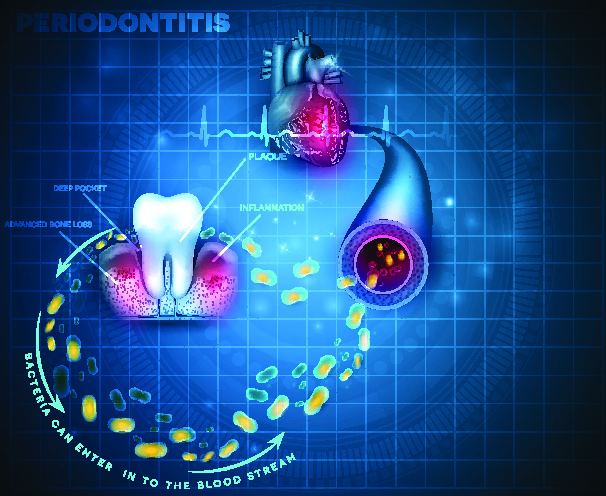
How can poor dental health have such an impact on an individual’s overall health? One of the primary ways is through oral bacteria. A healthy mouth naturally contains a certain amount of bacteria. However, gum disease and oral infections can cause an overabundance of the wrong kind of bacteria to thrive in the mouth. There are various ways that oral bacteria can spread to the rest of the body:
Bacteria is swallowed into the digestive system.
It spreads into the lungs when we breathe in.
It can be absorbed through blood vessels and into the bloodstream.
Again, consuming a certain amount of bacteria is perfectly normal and healthy. However, if a person has too much bad bacteria in their mouth–perhaps from tooth decay, gum disease, or an infection–they could run the risk of spreading too much harmful bacteria to the rest of their body.
Dental health and diseases
Studies have shown that poor dental health can be associated with a variety of ailments in other areas of the body. What does science know about the link between oral health and certain diseases?
Cardiovascular Disease
Research has shown that poor oral health can lead to blood vessel inflammation and sometimes infection of the inner lining of the heart, both of which can contribute to heart disease.
Alzheimer’s Disease
Scientists are studying how oral health may be linked to dementia and Alzheimer’s Disease. Older people who have gum disease or oral infections may be more likely to develop Alzheimer’s.
Pneumonia
Pneumonia is a dangerous infection of the lungs. Harmful bacteria can travel from the mouth to the lungs when an individual breathes in. When such bacteria reach the lungs, there could be a risk of developing pneumonia.
Inflammatory Bowel Disease
Inflammatory Bowel Disease, or IBD, is a term for digestive diseases that involve inflammation of the digestive tract. Studies have shown that those who suffer from IBD can benefit greatly from maintaining good oral health. Having a healthy mouth can mean fewer IBD symptoms and flare-ups.
Other Diseases and Disorders
Poor dental health may also contribute to the development of pregnancy complications; an increased risk of stroke; skin infections; diabetes; and many other ailments.
Smile League Dental
If you are concerned about maintaining your overall health and well-being through your dental health, or if you simply wish to get the best quality dental care available in the Joliet area, please feel free to get in touch with us. At Smile League Dental, we are passionate about providing our patients with excellent care in a comfortable and family-friendly clinic. You can reach us at 815-782-6243.
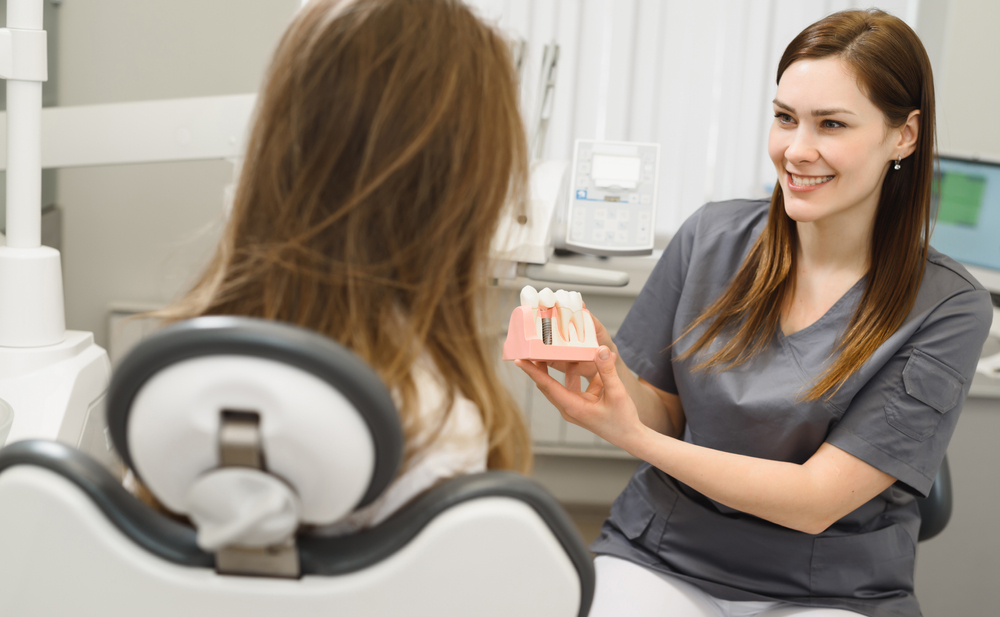
Are you looking for dental implants in Joliet? If you are anywhere in the area here in southwestern Chicagoland, stop by Smile League Dental. The best, quickest, and most reliable way to know that you’re a good candidate for implants is to get a professional recommendation.
We’re going to give you some more information than that, but, please, consider booking an appointment. We are one of Joliet’s best-rated dentists and we’re accepting new patients — why guess about implants when you could know for sure?
With that out of the way, let’s look at who can get implants. We’re also going to talk about why people get implants during the course of this article.
Are You a Candidate For Implants?
If your jawbone is done growing, and if you do not have serious bone loss, you are probably a good candidate for dental implants. Let’s look at each of those points.
Dental implants are really only for adults. In theory, 18 years old is the earliest that anyone would want to get implants. In practice, it might be safer to wait a few years more to make sure that your jaw is fully matured. In the meantime, there could still be other options for you if you have missing teeth. Don’t hesitate to get a professional opinion just because you’re too young.
The next qualification is that you have to have adequate bone left in your jaw to support the implant. If you have some bone loss, you also might be able to get a bone graft to provide stability for the implant. Implant technology has come quite a long way, even in the past decade or so. Check in with us at our Joliet office to see if your level of bone loss still keeps you from getting implants.
Should You Get Implants?
Just because you could get implants doesn’t mean you necessarily should. While dental prosthetics are the gold standard for replacing teeth, they aren’t the best choice for everybody. Here are some indicators that you should consider getting dental implants:
You can accept undergoing simple surgery in our Joliet dental office to install the implant
You want the most permanent tooth replacement option available
You want to match the look and feel of natural teeth
If you have significant bone loss, you feel healthy enough to undergo a grafting procedure, recovery period, and implant
You’re willing to invest a significant amount more than dentures require, potentially financing your procedure or using insurance
You have teeth to replace!
Implants aren’t scary or abnormal. Ask around — you’ll probably find that quite a few of your neighbors, friends, and coworkers have dental implants. If you’re asking around the Joliet area, some of those acquaintances might have even had their implants installed right here at Smile League Dental. Contact us at 815-782-6243 to get started with a professional consultation.
Are you thinking of getting dental implants in Joliet? There’s a lot of history behind this procedure and it goes back farther than you might expect.
From the very first recorded implants to present-day surgery, we’ve come a long way. Smile League Dental is proud to be able to provide this procedure in a safe, friendly atmosphere with very little risk and very high success rates. Feel free to contact us or stop by our Joliet office to learn more or to schedule an implant consultation.
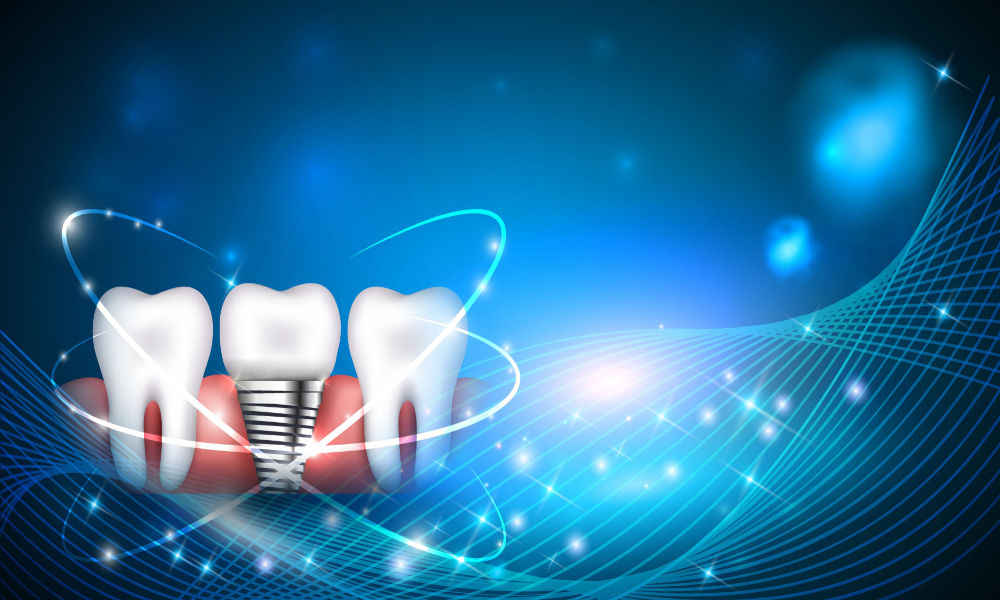
Just in case you’re wondering what a dental implant is, it’s a prosthetic tooth route that binds to your bone in order to replace a missing tooth. With that in mind, let’s take a look at how implants have changed over the years.
Antique Implants
It has, in fact, been more than just years since implants have been around. It has been millennia.
Some of the earliest dental implants we know about come from China. Chinese dentists some 4000 years ago used carved bamboo shunts as an implant material, securing them into the jaw bones of their patients. Ancient Egypt was also a center of early implant technology, except the Egyptians used precious metals, minerals, and materials such as ivory as a prosthetic.
There’s evidence in the Americas of dental implants, too. People here used carved shells as dental prosthetics.
Modern Implant Research
Some of these ancient methods must have worked based on archaeological evidence, but chances are that the success rate was not very high. The lack of infection control also probably made dental implants relatively dangerous. The goal of modern dental researchers was to make implants into the reliable, safe technology that they are today.
This did not happen overnight. Initial research focused mostly on precious metals, with little success. These metals did not fuse to the bone enough to become reliable permanent replacements for teeth.
Breakthroughs in modern dental prosthetics came around the 1930s, about the same time orthopedic surgeons were making strides in bone and joint repair. Unsurprisingly, the same materials that worked for other bones also helped teeth fuse to the jaw bone.
Into Contemporary Times
Early prosthetic alloys were not the most accessible options for most people. We have mid-20th century medicine and metallurgy to thank for the popularity of implants today. Most implants are now made of titanium, a material that was becoming widely available starting around the 1950s due to increased demand in the aerospace industry. A researcher discovered that it was an effective material in bone grafting, which led to its widespread use as a dental implant in the second half of the 20th century on through today.
Getting an Implant
Research has kept going, with new improvements on, alternatives to, and refinements to the solid foundation of titanium implant technology. In fact, this is one of the best times in history to get dental implants in Joliet, so feel free to schedule your appointment with Smile League Dental today by calling 815-782-6243.
It’s natural to feel uncomfortable or even a little scared of gum disease. This type of infection can have some embarrassing and painful symptoms.The best way to deal with gingivitis and periodontitis is to face the issue head-on and get the help you need as early as possible. Smile League has Joliet gum disease treatment in a relaxed, friendly, professional environment, so please reach out and schedule an appointment.For the rest of this article, we’re going to look at the research connecting gum disease to heart disease. We are also going to talk about some symptoms and preventive measures you can take.
Gum Disease and Heart Disease: Are They Related?
Did you ever think about how strange it is to have a different doctor for your mouth than you do for the rest of your body? All of these systems are connected in one way or another, and we are beginning to learn more about those connections.Recent research has suggested a stronger link between gum disease and heart disease. We’ve discovered the same type of bacteria in diseased hearts as we find in infected gums. There are also correlations between gum inflammation and some types of cardiovascular inflammation.The theory is that bacteria could enter the bloodstream through the gums. From there, it ends up forming reservoirs in other parts of the body.What does that mean for your heart health? The general consensus is that people at risk of heart disease, especially those with artificial valves, should make every effort possible to maintain good oral health.
Catching Gum Disease Early
To keep up with your oral health, you’ll want to pay close attention to any changes involving your teeth, gums, or mouth. Here are some symptoms to watch out for:
Bad breath (not just after food or drink)
Bleeding when you floss
Changes in the appearance of your gums (different colors or puffy-looking gums)
Longer-looking teeth (receding gums)
Swollen or reddened gums
Bleeding or pain, especially without flossing
Loose teeth or teeth falling out
There’s no such thing as a minor symptom of gum disease, but some of these are obviously more serious than others. Please contact us if you have any of them — and preferably reach out before you start feeling pain or serious discomfort.
Preventing and Treating Gum Disease
Gum disease is typically a progressive problem that we control early through focused changes in habits. Sometimes, we recommend professional intervention. There are also some things that could prevent it (or prevent it from getting worse):
Brushing and flossing regularly
Quitting smoking
Getting professional cleanings
Having regular preventive dentist appointments
Getting deep cleanings
Taking certain types of antibiotics
Treatment really depends on your exact condition — we’ll have to take a look to see what we can do. Also, if you already come in a couple of times a year, you can be confident that your dentist is already keeping an eye out for any signs of gum disease.Hopefully, that provides a good summary of what we currently know about the link between gum disease and heart disease. For more questions or to make an appointment, feel free to reach out to our experiencedfamily dentists in Joliet at any time by calling 815-782-6243.
Your best options for teeth whitening in Joliet are going to be unique to your situation. That said, we would recommend that you use professional whitening services. They’re the safest, most effective options.
If you need a Joliet dentist, consider Smile League Dental. We always welcome new patients, and we will work with you to set up an appointment that fits your needs.
DIY Methods
You would expect a dentist to recommend professional whitening — and we do. In this case, it’s more than just self-promotion. Professional services are safer and deliver better faster results.
Your dentist should also be able to provide a greater level of customization and control over the level of whiteness. Just let us know ahead of time, and we can prepare accordingly. It’s also usually possible to get a tooth whitening procedure finished in one day.
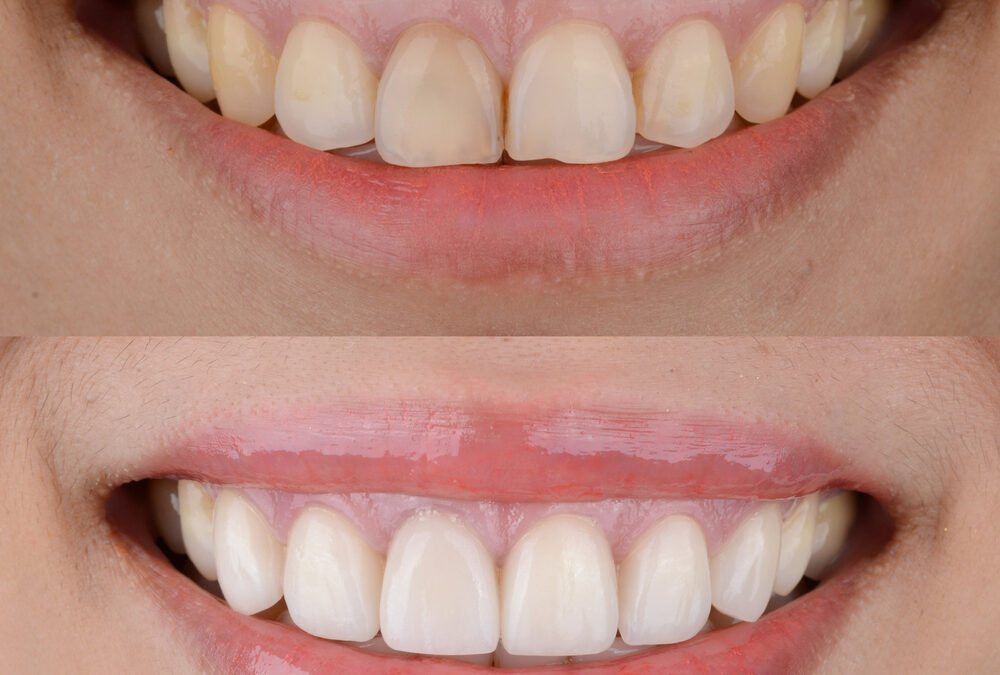
Additionally, professional whitening and stain removal services often provide relatively permanent results, providing brighter smiles for up to three years. Finally, professional whitening typically does not use abrasive products — substances that can irritate sensitive teeth and potentially cause unnecessary wear.
Dentist-Recommended Products
When dentists recommend at-home whitening products, it’s usually to maintain brightness after professional whitening. For example, some dentists recommend whitening toothpaste or mouthwash. You might also get a touch-up kit to use after an appointment.
We would always recommend getting a professional opinion, even if you’re sure you want to go with a DIY approach. There are a lot of options out there, and your dentist can help you choose the most effective one for your specific goals. Make sure to discuss this with your dentist well ahead of time —many at-home techniques require multiple applications.
Professional Whitening Services
There are many different types of professional whitening. Here is an example of the process from start to finish:
You come in for your appointment and get your teeth cleaned.
After cleaning, the dentist protects your gums and lips.
The whitening compound is applied carefully to your teeth and activated with UV lamps.
The dentist rinses the whitening bleach off of your teeth, checks the brightness, and repeats the bleaching process until you get the result you want.
You leave the office and avoid foods and, for the next day or so, avoid drinks that would stain your teeth.
The process does not take long at all. You should see results immediately, and they should last for a long time with minimal maintenance.
Maintaining White Teeth
If you want bright white teeth for something like a wedding or a photo shoot, then you will want to maintain the time between your procedure and the event. This means avoiding foods and drinks that might stain your teeth, such as turmeric, coffee, tea, red wine, cola, or berries.
Other than that, brushing and flossing regularly after meals should be all of the regular maintenance you need to enjoy a brighter smile. Of course, you should also come in for regular cleanings. Feel free to reach out and schedule an appointment with us today.
 Mon to Thur 9am- 6pm and Friday 9am- 8pm; Saturday 9am-3pm.


 smileleaguedental@gmail.com


Recent Comments