Sometimes, my patients say, “I know I have a cavity, and I think I need a filling”; Then I ask if they know what a filling is, and they say “No”. And then, the education begins.
Wonder why a Dental filling?…
A filling is needed when we have a cavity. Cavities are decays and can appear as dark, grey or chalky white spots on teeth. They are mostly found on chewing surfaces of teeth (especially the back surfaces). Cavities are treated with sealants (surface cavities) or fillings.
Find out more about sealants
Think of a filling as a good fix to treat a potential bigger problem that could result in pain and infection. When left untreated, cavities can be very painful and would need a more invasive procedure called a root canals.
Any area of the tooth appears as dark, grey, or chalky white spot
Pain that can be traced to the same tooth when you chew or occurs by itself
What to do if you have a cavity
After you have been diagnosed of a cavity, your dentist would give you the option, most possibly for a filling (if it has not infected your nerve, or if you have no symptoms).
The filling can be made of alloy (appears silver) or resin (appears white)
Silver fillings (amalgam) have been used many years ago, and are still in use today to replace decayed areas on teeth (holes on teeth). They are known for durability when used to restore large cavities, ease of placement and less risk of saliva contamination especially in children and special needs population. Controversies have surrounded their impact on general health, due to the mercury content. According to American Dental Association, Silver fillings or amalgams have no negative health consequences because mercury mixed together with other metals compositions, form a very stable material, which does not leach. The downside of amalgams is primarily the silver, darkish appearance which is not esthetic in appearance.
White fillings (composite) are known for the esthetic appearance and serve as the filling of choice in front teeth, and teeth within the smile zone. Composites are also durable, but may be less durable than silver fillings, especially to restore large cavities. Also, they require more time for placement, and are technique sensitive, as they fail when contaminated by fluid.
At Smile League Dental, we are particular about making you have a beautiful smile that is long lasting. Contact us today for any concerns about cavities on 815-782-6243 or smileleaguedental
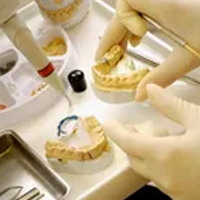
Dentures are removable replacements for the surrounding tissues and missing teeth. Dentures can be installed as an option for tooth loss resulting from injury, tooth decay, or gum disease. They make it easier to speak and eat better if you do are missing some teeth. Losing your teeth can make your facial muscles sag and make you look older than you actually are. Dentures can be designed to look just like your natural teeth so that there is little to no change in your appearance. There are three kinds of dentures as explained below.
Removable Complete Dentures
These dentures sit atop of the gums where there were missing teeth. Initially, it may be uncomfortable and it can affect how you taste food causing sore gums. They can also click and shift in your mouth whenever you cough, yawn, smile, eat, or speak. The initial costs can be low and they can last for about 7 to 15 years with significant long-term replacement costs. These dentures are usually made and put in the mouth once the remaining teeth have been removed and the tissues are completely healed. This can take a few months.
Removable Partial Dentures
These dentures are usually designed for the replacement of missing teeth from the same arch. They are also ideal for replacing teeth, which might or might not be next to each other. Partial dentures are made from an acrylic base that can be strengthened using a cobalt chrome metal framework in some cases. These dentures often have metal clasps designed to fit over your remaining teeth to hold the denture in place firmly but still allowing easy removal. Some of them are made using a flexible nylon material while the clasps are made using gum-colored nylon to ensure they are less visible when in the mouth.
Removable partial dentures can be taken out of the mouth easily for cleaning purposes. Your dentist can also recommend caps or crowns on your natural teeth to improve the partial dentures fit while in your mouth. Partial dentures are meant to be taken out at bedtime and put back in once you wake up. As you get older, your mouth will change,mostly due to the bone losing more of its structures/thicknesss, meaning your removable partial dentures might not be able to fit any more. They can also chip or crack and one of the teeth may become loose. If this happens, you may have to contact your dentist for options such as repair, reline, or remake of the partial dentures.
Missing a tooth? Read on other options for replacement
Overdentures or All-on-four Implant Supported Dentures
At times, you can save some of your teeth to preserve the jawbone and offer support and stability for this type of denture. Overdentures are usually prepared by a dentist to fit over your natural teeth if there are very few remaining. You can reinforce a full-arch lower denture with only four implants but an upper denture might require at least six implants to offer support. Treatment using Overdentures involves inserting two implants at the front of the dental arch where your missing teeth used to be. The two remaining implants are placed at a 45-degree angle on either side tilting to the back of your mouth. The overdenture will then clip onto the installed dental implants with special attachments on the fitting surface.
New dentures will feel odd in your mouth for a few weeks until you get used to them. Dentures may also feel slightly loose until your tongue and your cheek muscles learn to keep them stationary. Your saliva flow will also increase temporarily, you may experience slight soreness, and irritation but once your mouth get used to the dentures, these issues will go away.
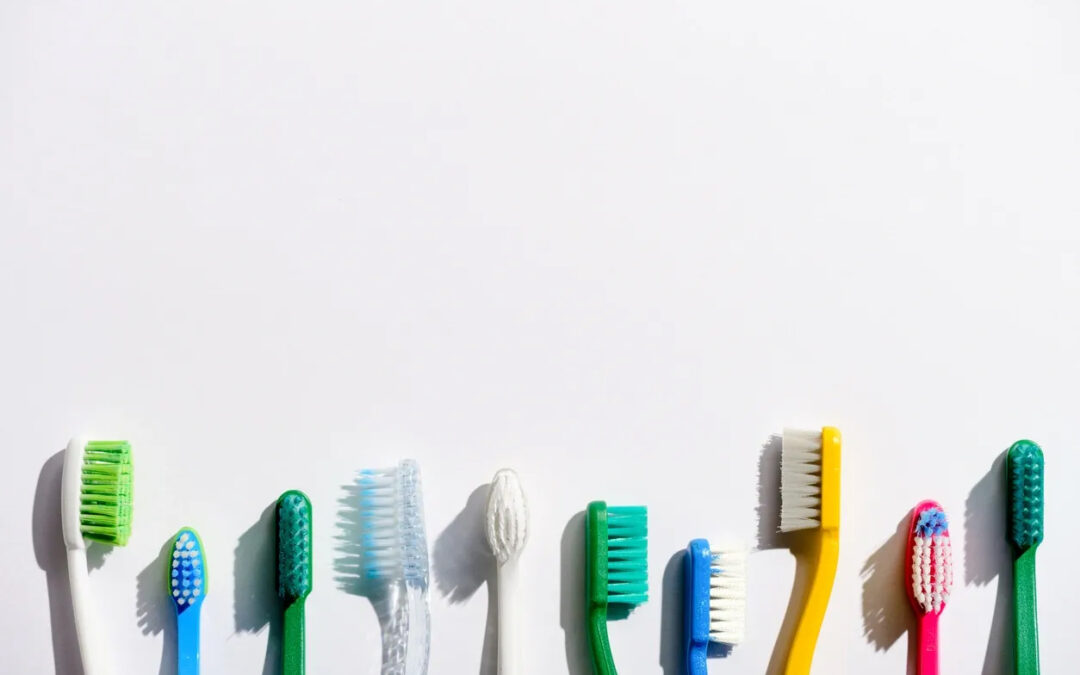
Brushing and flossing are both crucial for the prevention of gum disease and overall dental care. You need to brush and floss properly for you to achieve the best results. For example, proper brushing takes two minutes at least, to complete and most people probably do not brush for this duration. Actually, most people probably do not pay much attention to the complete routine for oral hygiene. You need to brush and floss using the right techniques to help you maximize your oral health.
If you do not brush your teeth for even a few days, you can encourage the development of gum disease. Brushing helps to remove plaque, the main reason behind gum disease and tooth decay. Brushing one’s teeth also slows down or stops plaque formation from building up. What are the advantages of brushing and flossing your teeth on a regular basis?
Removing Plaque
Cleaning your teeth is still a requirement even if you eat a diet that is friendly to your dental health and rich in low-fat dairy, fibrous vegetables, and lean meats. On the other hand, you have probably indulged in some processed food or sugary foods occasionally, which is why you need to brush and floss properly. Brushing in between snacks or meals if not twice a day and flossing once each day can help you prevent oral decay, plaque buildup, and unsightly stains.
Brightening Teeth
Considering brushing and flossing can both aid in the removal of food particles and plaque buildup, this guarantees whiter teeth. You should try to brush more frequently particularly after eating foods rich in carbohydrates to help keep your teeth white. When buying toothpaste, look for whitening options with the ADA approval seal.
Protecting You against Gum Disease
Gum disease is quite rampant in various forms among many people and it has damaging effects on your teeth. Flossing once daily helps to remove bacteria and food particles from areas where your toothbrush cannot reach such as between the teeth. This also prevents tartar buildup leaving you less prone to gum disease.
Tips to Help You Brush and Floss Better
– Always ensure you brush your teeth after eating and also before going to bed using a toothbrush with soft-bristles and fluoride toothpaste. You should aim for at least 2 minutes of brushing time.
– Make sure that you floss daily before going to sleep
– Visit a dentist at least twice annually for cleanings and checkups
– Brush your tongue so your breath stays fresh
You can use a timer on a stopwatch or on your smartphone to help get accustomed to brushing for two minutes. Use gentle, short strokes when brushing and pay close mind to the hard to reach teeth on the gum line and at the back of the mouth. Brush all exterior surfaces of the upper teeth and then the lower teeth followed by the inner surfaces of both the lower and upper teeth. Afterwards, brush the chewing surface on all the teeth and brush your tongue to wrap it all up with fresh breath.
With the right technique, flossing can be very easy. Pull approximately 20 inches of dental floss from your dispenser and hold the ends around your middle and index fingers. Tightly, hold the floss around individual teeth in a c-shape and move it back and forth as if you are pushing and pulling the floss up and down the sides of each tooth.
At Smile League Dental, your oral health is our priority. To make an appointment, please call 815-782-6243 or visit our website at www.smileleaguedental.com/contact to make an appointment.
[vc_row][vc_column][vc_column_text]Medicaid Dentist in joliet
Most parents might show concern about their children’s pacifier use, finger sucking, or thumb sucking habits and they may wonder whether it is harmful to the child. It is also natural to wonder what may happen to the child if he or she does not stop and what is the right age to quit these habits.
Why does my child thumbsuck?
Sucking is one of the child’s most natural reflexes as they typically start to suck on their fingers and thumbs while they are still in the mother’s womb.
Young children and infants might engage in pacifier use, thumb sucking, and sucking of other fingers or objects as it makes them feel happy, secure, and learn more about the world around them. they help some babies calm themselves and thus, fall asleep easily. But if the child is allowed to continue these habits after the baby teeth start developing, this can cause major problems.
Effects of Thumbsucking and Pacifier use
On the other hand, prolonged thumb sucking and pacifier use can cause issues with the normal growth of the child’s mouth and the baby teeth alignment. It may also result in changes in the child’s roof of the mouth. Children who passively put their thumbs in the mouth have a higher tendency to experience difficulty compared to children who suck their thumbs vigorously. It is common to hear a popping sound when an active thumb sucking child removes the thumb from the mouth and aggressive thumb suckers might even experience problems with the development of their front baby teeth.
Thumb sucking whether aggressive or not, can cause misalignment of the child’s baby teeth and they may create the need for dental work in the long run. Long term effects of pacifier use or thumb sucking beyond ages 5 and 6 years include:
– Increased sensitivity of the roof of the mouth
– Germs from the thumb and its surrounding areas affecting the rest of the body
– The child forming a lisp as constant thumb sucking may influence the positioning of the jaw bone
– The child’s baby teeth being pushed around which may cause the formation of an underbite or an overbite.
Thumbsucking or Pacifiers?
Pacifier use can also affect the teeth in almost the same way that finger sucking and thumb sucking does but it is typically an easier habit to break in comparison. Whenever you offer a pacifier to an infant, always make sure it is clean. It is also ill-advised to dip the pacifier in other substances such as sweeteners, honey, or sugar prior to giving it to the child.
When will my child stop Thumsucking or Pacifier use?
Most children tend to stop thumb sucking or finger sucking habits on their own between ages 2-4 years. This behavior essentially lessens during the said period as the child starts spending more of his or her waking hours exploring and studying their environment.
Some helpful tips on how to stop thumb sucking or Pacifier use at the right time include:
Positively reinforce your child for not sucking.
Distracting the child with a song or a toy when he or she starts to suck the thumb
Getting rid of any sources of stress to the child which may cause the child to suck his or her thumb
Teach the child reasons why he or she cannot continue this thumb sucking habit and even explain the long term effects in a way they can understand
Avoid punishing or nagging the child for thumb sucking as it can create stress for the child causing him or her to suck the thumb more.
For an older child, involve him or her in choosing the method of stopping.
Your dentist can offer encouragement to your child and explain what could happen to their teeth if they do not stop sucking.
According to American Dental Association, “If these tips don’t work, remind the child of their habit by bandaging the thumb or putting a sock on the hand at night. Your dentist or pediatrician may prescribe a bitter medication to coat the thumb”.
At Smile League Dental, your oral health is our priority. Make an appointment at Smile League Dental by calling 8157826243 or visiting https://smileleaguedental.com/contact
[vc_row][vc_column][vc_column_text]When it comes to kids, most parents are unsure of how much toothpaste to apply during tooth brushing. Applying too much or too little toothpaste during brushing of teeth can significantly affect our oral health, especially in kids.
Is fluoride bad for you?
Fluoride is one of the active ingredients in toothpaste. According to American Dental Association, fluoride is nature’s cavity fighter. It helps prevent cavities by strengthening the outer layer of teeth (enamel) against the acid produced by bacteria in our mouth (after consumption of sugar).
Health effects of too much or too little fluoride in toothpaste
Too little toothpaste/fluoride (fluoride deficiency): Applying too little toothpaste during brushing can result in low fluoride in our teeth, increasing one’s risk for cavities.
Too much toothpaste/fluoride (hyperflorosis): In kids below the age of 8 years, when teeth are developing, applying too much toothpaste during brushing can result in ingesting a lot of fluoride. This increases one’s risk of Dental fluorosis, which can lead to unattractive white patches on the enamel. These white patches on the enamel is known as hypomineralization of enamel. Apart from being unattractive, if fluorosis is high, it can cause a weak enamel.
According to the U.S. Centers for Disease Control and Prevention, approximately 40% of children between the ages of 3 and 6 years are using too much toothpaste, predisposing them to Dental Fluorosis.
What amount of toothpaste is safe?
Due to the risk of fluorosis and fluoride poisoning in kids, it is advised to supervise children during brushing.
0 to 2 years: For children less that the age of 2 years, a smear of fluoride toothpaste should be used.
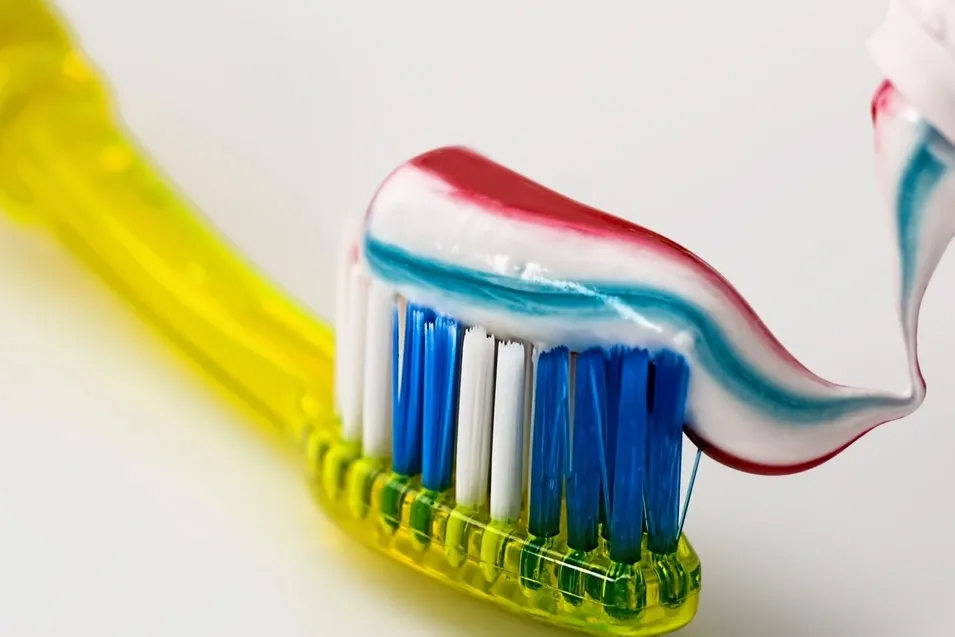
3 to 6 years: No more than a pea-sized amount of toothpaste should be used
Adults: Pea-sized amount of tooth paste, and not a large blob
According to the American Academy of Pediatric Dentistry and American Dental Association, a smear of fluoride toothpaste can be used on babies as soon as a tooth erupts in the mouth.
Where else can I find fluoride?
Apart from toothpaste, fluoride is in community water. In the US, as a public health effort to reduce the risk of cavities by primary prevention methods, fluoride at 0.7 milligrams per liter of water is being added to community water (water from the faucet).
Fluoride can also be obtained from the dentist as a prescription supplement (tablet, drop or lozenge form) or treatment, in the form of gel, varnish or foam.
Speak with your dentist about your options.
At Smile League Dental, your education and health is our priority. We offer FREE fluoride treatment, based on certain specials or discounts. Give us a call today to discuss your options. Call 815-782-6243 for more information or visit smileleaguedental.com.
 Mon to Thur 9am- 6pm and Friday 9am- 8pm; Saturday 9am-3pm.


 smileleaguedental@gmail.com



Recent Comments