Feeling embarrassed about your smile can affect more than photographs. You may find yourself covering your mouth when you laugh, avoiding close conversations, smiling differently at work, or becoming increasingly aware of one tooth every time you look in a mirror. Dental concerns that seem highly noticeable to you may range from staining and uneven edges to missing teeth, spacing, worn enamel, old dental work, or changes in the gums. The first step should not be assuming that you need extensive cosmetic dentistry. At Smile League Dental in Joliet, I believe the better starting point is understanding exactly what bothers you, determining whether there is an underlying oral health issue, and then discussing appropriate options without pressure.
Many patients are also hesitant to schedule an appointment because they feel embarrassed about the current condition of their teeth. That concern should never prevent you from receiving care. Dentists routinely see people who have postponed treatment, experienced dental anxiety, dealt with medical or financial difficulties, or simply reached a point where they are ready to improve their oral health. Dr. Morolayo Oluyemi (DMD MPH BDS) approaches these conversations by first listening to what the patient wants to change rather than assuming what an attractive smile should look like. The objective is not to create somebody else’s smile. It is to determine what can reasonably improve your own smile while protecting the health and structure of your teeth.
Start By Identifying What Is Actually Bothering You
“I don’t like my smile” can mean very different things from one patient to another. One person may dislike the color of the teeth, while another may be concerned about a chipped front tooth, uneven spacing, a missing tooth, visible gum recession, or restorations that no longer match surrounding teeth.
A dental examination allows me to separate cosmetic concerns from conditions that may also require treatment. For example, discoloration can be superficial, but a darkened individual tooth may have a different cause. A tooth that looks unusually short may actually have been worn down by grinding. Gum recession may change the appearance of a smile while also exposing sensitive root surfaces.
That distinction matters because treatment should address the cause rather than simply cover the appearance.
Make Oral Health The Foundation Of Any Smile Improvement
Before recommending cosmetic treatment, I want to know that the teeth and gums are healthy enough to support it. Tooth decay, periodontal disease, damaged restorations, and other active problems may need to be addressed first.
The National Institute of Dental and Craniofacial Research notes that periodontal disease affects the tissues supporting the teeth and can eventually contribute to tooth mobility and tooth loss when it progresses. Improving the appearance of teeth without treating active disease would not provide a sound foundation for long-term dental care.
This is one reason Dr. Morolayo Oluyemi (DMD MPH BDS) evaluates your overall oral health along with your cosmetic concerns. A smile should not merely look better immediately after treatment. Any proposed improvement should make sense in the context of your teeth, gums, bite, existing restorations, and long-term dental needs.
Teeth Whitening May Help With Certain Types Of Discoloration
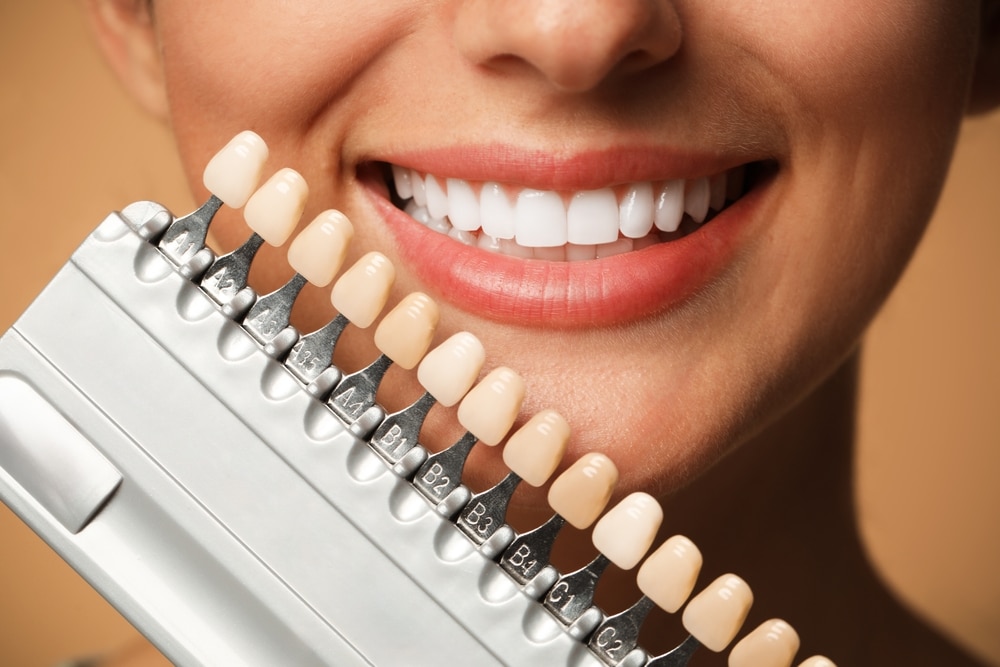
If tooth color is your primary concern, professional whitening may be worth discussing. Whitening is not appropriate for every type of discoloration, and existing crowns, veneers, fillings, and other tooth-colored restorations do not respond to whitening agents in the same way natural teeth do.
The American Dental Association explains that whitening treatments may be provided in a dental office, supplied by a dentist for home use, or purchased over the counter. The ADA also notes that whitening affects natural teeth rather than existing tooth-colored restorations.
For that reason, I evaluate your current restorations and the source of the discoloration before recommending treatment. This can help avoid a result in which natural teeth become lighter while visible dental work remains a different shade.
Bonding And Veneers Can Address Specific Cosmetic Concerns
Minor chips, irregular tooth shape, certain spaces, and some discoloration may sometimes be improved with tooth-colored bonding. Bonding uses restorative material that can be shaped and matched to surrounding teeth, and it can be relatively conservative in selected cases.
Veneers are another option for certain cosmetic concerns. The ADA’s MouthHealthy resource on veneers explains that veneers are custom-made coverings placed over the front surfaces of teeth and may be used to address teeth that are chipped, stained, misshapen, or affected by certain gaps.
Veneers require a more significant commitment than whitening and many bonding procedures. Depending on the type of veneer and preparation required, treatment may be irreversible. I therefore discuss benefits, limitations, maintenance, alternatives, and how much natural tooth structure may be affected before recommending them.
Missing Or Damaged Teeth May Require Restorative Treatment
Sometimes embarrassment about a smile is connected to a dental problem that affects both appearance and function. A severely damaged tooth, missing tooth, failing crown, or large visible restoration may call for restorative rather than purely cosmetic treatment.
Depending on the condition of the mouth, options can include tooth-colored restorations, crowns, bridges, implants, or other treatment. The correct choice depends on factors such as remaining tooth structure, gum and bone health, bite forces, neighboring teeth, and the patient’s overall health.
A treatment that looks attractive but does not function properly is not a successful result. Appearance, comfort, durability, cleansability, and function should be considered together.
You Do Not Have To Change Everything At Once
Patients sometimes arrive believing that improving their smile requires treating every visible tooth. Often, it does not.
A conservative plan may involve addressing the one or two issues that bother you most. For one patient, that could mean whitening. For another, repairing a chipped front tooth may make the most meaningful difference. Someone else may benefit from replacing an older restoration that has become noticeable.
I prefer to establish priorities with you rather than automatically recommending the largest treatment plan. Changes can sometimes be completed in stages based on clinical need, personal priorities, timing, and budget.
A Dental Consultation Should Be A Conversation, Not A Judgment
Dental embarrassment can make people postpone care for years. The longer they wait, the more embarrassed they may become, creating a cycle that makes scheduling an appointment increasingly difficult.
At Smile League Dental, the purpose of an evaluation is to understand your concerns and determine what is clinically appropriate. Dr. Morolayo Oluyemi (DMD MPH BDS) can discuss what can realistically be changed, what should be treated for health reasons, what may be left alone, and what options fit your goals.
Good oral health also has value beyond appearance. The National Institute of Dental and Craniofacial Research notes that oral health is important for eating, speaking, overall health, and appearance, which can influence self-esteem.
You do not need a perfect smile to have a healthy or attractive one. The goal should be a result that feels appropriate for you and is supported by sound dental care.
Talk With Smile League Dental About Your Smile
If you are uncomfortable with the appearance of your teeth, you do not need to determine the solution before making an appointment. A dental examination can identify what is causing the concern, determine whether oral health issues need attention, and clarify which cosmetic or restorative options may be appropriate.
Smile League Dental is located at 3587 Hennepin Dr, Joliet, IL 60431. Whether you are concerned about discoloration, chipped or worn teeth, spacing, old dental work, missing teeth, or simply want to understand what could reasonably improve your smile, the first step can be a thoughtful conversation about your goals.
To schedule an appointment, the Joliet dentist at Smile League Dental at 815-782-6243 to set up your consultation with Dr. Morolayo Oluyemi (DMD, MPH, BDS). Let’s discuss your smile with a dentist who can evaluate both its appearance and its underlying health.
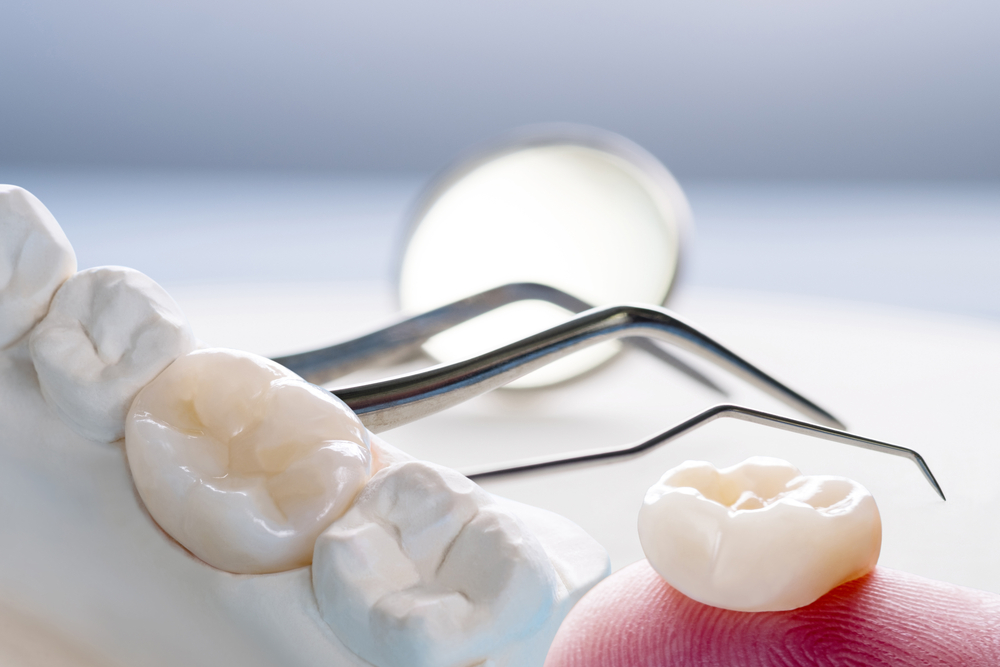
A dental crown is a custom-made cap that covers and protects a tooth that has been weakened, cracked, worn down, heavily filled, or treated with a root canal. At Smile League Dental in Joliet, I believe it’s important for patients to know why a crown is needed before starting treatment. When you understand the process, you’re likely to feel more at ease. A crown does more than improve appearance. It restores the tooth’s shape, strength, bite, and function when a filling isn’t enough. The American Dental Association says crowns can strengthen teeth with large fillings, protect weak teeth, restore broken teeth, attach bridges, and cover dental implants.
When you come to Smile League Dental, we start with a thorough evaluation. Dr. Morolayo Oluyemi (DMD MPH BDS) will check your tooth, ask about your symptoms, look at your bite, and decide if a crown is the right choice. Sometimes, we take an X-ray to see the root, surrounding bone, any previous dental work, or signs of infection. If a crown can save your tooth, we aim to keep as much of your healthy tooth as possible while making sure the crown will be strong and secure.
Why A Dental Crown May Be Recommended
A crown is often suggested when a tooth doesn’t have enough structure left for a regular filling. This can happen after deep decay, a crack, several dental treatments, or a large old filling that has weakened the tooth. Crowns are also common after root canal treatment, since those teeth can be more likely to break, especially in the back of the mouth where chewing is stronger.
Crowns can also fix teeth that are badly worn from grinding, repair broken teeth, improve the shape of some teeth, or cover a dental implant. The Cleveland Clinic describes a dental crown as a tooth-shaped cap that restores a decayed, broken, weak, or worn-down tooth. Crowns can be made from porcelain, resin, metal, or ceramic.
What Happens At The First Crown Appointment
At your first crown appointment, we numb the tooth to keep you comfortable. We remove the damaged or weak parts and shape the tooth so the crown will fit well. This step is done carefully to make sure the crown has enough space to fit securely and won’t feel bulky or affect your bite.
Once the tooth is ready, we take an impression or a digital scan. This helps us design a crown that matches your tooth and fits with your bite. The Canadian Dental Association says the usual crown process includes numbing the area, preparing the tooth, taking an impression, and making a custom crown that fits your tooth and the nearby teeth.
Often, we place a temporary crown while your final crown is being made. The temporary crown protects your tooth, keeps the space open, and lets you chew gently until the permanent crown is ready. While you have a temporary crown, avoid sticky foods, hard foods, and chewing too much on that side.
What Happens When The Final Crown Is Placed
At your second visit, we remove the temporary crown and try in the final one. Dr. Morolayo Oluyemi (DMD MPH BDS) will check how it fits, how it touches nearby teeth, your bite, and how it looks. This is important because a crown that doesn’t fit well can cause discomfort or problems later on.
Once the fit is correct, the crown is bonded or cemented in place. Your bite may be checked again after placement. Some patients feel comfortable right away, while others need a short adjustment period. Mild sensitivity can happen after crown treatment, especially if the tooth was already irritated or the preparation was deep. Sensitivity that worsens, lingers, or causes pain when biting should be evaluated.
How To Care For A New Dental Crown
A crown protects the visible part of the tooth, but the natural tooth structure underneath still needs care. Decay can form near the crown margin if plaque is not removed well. Good brushing, daily flossing, regular dental cleanings, and attention to gum health are essential.
You should avoid using crowned teeth to open packages, bite fingernails, chew ice, or crack hard objects. If you grind or clench your teeth, a nightguard may help protect the crown and surrounding teeth. Crowns are durable, but they are not indestructible. With proper care, many crowns last for years, although longevity depends on oral hygiene, bite forces, crown material, diet, and regular dental visits.
When To Call The Dentist After A Crown Procedure
Call the dental office if your temporary crown comes off, your bite feels uneven, you have sharp pain when chewing, the gums around the crown become swollen, or sensitivity does not improve. Small adjustments can often solve early discomfort. Waiting too long can allow irritation, leakage, or bite trauma to become worse.
At Smile League Dental, the purpose of crown treatment is not only to repair one tooth. It is to restore function in a way that supports your overall oral health. Dr. Morolayo Oluyemi (DMD MPH BDS) and the dental team take time to explain the procedure, answer questions, and help patients feel prepared before treatment begins.
Call Smile League Dental In Joliet For Dental Crown Care
If you have a cracked, worn, broken, or heavily filled tooth, a dental crown may help restore strength, comfort, and appearance. Smile League Dental provides thoughtful crown evaluations and restorative dental care for patients in Joliet and nearby communities. Call our Joliet dentist at Smile League Dental at 815-782-6243 to set up your consultation with Dr. Morolayo Oluyemi (DMD, MPH, BDS). Our team can help you understand whether a crown is appropriate and what to expect before treatment begins.
Tooth enamel is the hardest substance in the human body, but it is not indestructible. Over time, exposure to acidic foods, beverages, medical conditions such as acid reflux, and normal wear can gradually weaken and erode the protective outer layer of the teeth. Once enamel is lost, the body cannot regenerate it. As a result, many people begin to experience tooth sensitivity, changes in tooth shape, discoloration, and increased risk of fractures. According to the American Dental Association and the National Institute of Dental and Craniofacial Research, maintaining healthy enamel is essential for long-term oral health.
At Smile League Dental, Dr. Morolayo Oluyemi (DMD, MPH, BDS) frequently evaluates patients who are concerned about worn or eroded teeth and helps them understand the restorative options available to protect their smiles. Early treatment is often important because enamel loss tends to worsen over time when the underlying causes are not addressed.
Restorative dentistry can help rebuild teeth damaged by acid erosion and excessive wear. The most appropriate treatment depends on the severity of the damage, the patient’s bite, and overall oral health. In mild cases, tooth-colored bonding may restore areas of lost enamel and improve appearance. More advanced wear may require crowns, veneers, or other restorations designed to strengthen and protect weakened teeth.
Dr. Morolayo Oluyemi carefully evaluates the cause of the erosion because successful treatment involves more than simply repairing damage. Factors such as dietary habits, nighttime grinding, dry mouth, and medical conditions may need to be addressed to help prevent future problems. By combining preventive strategies with modern restorative techniques, Dr. Morolayo Oluyemi helps patients restore comfort, improve function, and preserve their natural teeth for years to come.
FAQs About Restoring Damaged Teeth
What Causes Acid Erosion Of Teeth?
Acid erosion may result from frequent consumption of acidic foods and beverages, acid reflux, certain medical conditions, or repeated exposure to stomach acids.
Can Lost Enamel Grow Back?
No. Once enamel is lost, the body cannot replace it. However, restorative dental treatments can help protect and rebuild damaged teeth.
What Are The Signs Of Tooth Wear?
Common signs include tooth sensitivity, thinning enamel, flattened chewing surfaces, discoloration, chipped teeth, and changes in tooth shape.
Can Acid Erosion Cause Tooth Sensitivity?
Yes. As enamel becomes thinner, the underlying dentin may become exposed, making teeth more sensitive to hot, cold, sweet, or acidic foods and drinks.
What Treatments Are Available For Worn Teeth?
Depending on the severity of the wear, treatment options may include bonding, veneers, crowns, bite guards, and other restorative procedures.
Is Tooth Wear Always Caused By Acid?
No. Tooth wear may also result from grinding, clenching, aggressive brushing, bite problems, and natural aging processes.
Call Our Joliet Dentist To Restore Your Damaged Teeth
If you have tooth sensitivity, worn teeth, changes in tooth shape, or are worried about enamel erosion, a dental checkup can help find the cause and the best treatment. At Smile League Dental, we work with you to protect your oral health and restore damaged teeth with care that fits your needs. Call our Joliet dentist at Smile League Dental at 815-782-6243 to set up your consultation with Dr. Morolayo Oluyemi (DMD, MPH, BDS). You can find our office at 3587 Hennepin Dr, Joliet, IL 60431.
A confident smile is often shaped by small details such as tooth color, shape, and symmetry. When chips, discoloration, gaps, or uneven edges affect your teeth, cosmetic dentistry can offer meaningful improvement. Two of the most commonly considered options are dental veneers and dental bonding. While both aim to enhance appearance, they differ in materials, longevity, preparation, and ideal use cases. At Smile League Dental, patients often ask which option best fits their goals, lifestyle, and long-term expectations.
Dental veneers are thin shells, usually made of porcelain or ceramic, that are custom-crafted and bonded to the front surfaces of teeth. They are designed to create a durable, natural-looking result that resists staining and maintains color stability over time. Veneers require careful planning and typically involve removing a small amount of enamel to ensure proper fit and aesthetics. Because of this, veneers are considered a long-term cosmetic solution and are best suited for patients seeking a comprehensive smile upgrade. According to the American Dental Association, porcelain veneers are valued for their strength, lifelike appearance, and longevity when properly maintained.
Dental bonding, by contrast, uses a tooth-colored composite resin that is applied directly to the tooth and shaped by the dentist. Bonding is more conservative, as it usually does not require enamel removal. It is often completed in a single visit and is well-suited for minor cosmetic concerns such as small chips, slight gaps, or localized discoloration. Bonding can produce attractive results, but it is more prone to staining and wear over time compared to porcelain veneers. Clinical overviews published by the Cleveland Clinic note that bonding is a practical option for patients seeking a less invasive and more affordable cosmetic improvement.
Understanding The Key Differences In Longevity And Maintenance
One of the most significant distinctions between veneers and bonding is how long the results typically last. Porcelain veneers often last 10 to 15 years or longer with proper care, while bonding may require touch-ups or replacement within several years, depending on habits and bite forces. Veneers are also more resistant to staining from coffee, tea, and wine, whereas bonded resin can gradually discolor. For patients looking for a more enduring cosmetic solution, this difference is an important consideration.
Maintenance for both options involves consistent oral hygiene and regular dental visits. Neither veneers nor bonding are immune to damage from grinding or biting hard objects. In some cases, a protective night guard may be recommended. As Dr. Morolayo Oluyemi (DMD, MPH, BDS) often explains, the best cosmetic outcome depends not only on the procedure itself but also on how well it aligns with a patient’s daily habits and long-term oral health.
Choosing The Right Option For Your Smile Goals
Veneers are often recommended for patients seeking uniform changes across multiple teeth, such as improving overall color consistency or reshaping worn or uneven teeth. Bonding is more commonly used for targeted corrections when the surrounding teeth are already in good condition. Cost can also play a role, as bonding generally involves a lower upfront investment, while veneers reflect the added laboratory work and materials involved.
A thoughtful evaluation is essential before choosing either option. Factors such as enamel thickness, bite alignment, gum health, and aesthetic expectations all influence the recommendation. Dr. Morolayo Oluyemi (DMD, MPH, BDS) emphasizes that cosmetic dentistry should support both appearance and function, ensuring results that look natural and feel comfortable.
Frequently Asked Questions About Veneers And Bonding
Are Veneers Permanent?
Veneers are considered irreversible because a small amount of enamel is typically removed during preparation. Once placed, they require long-term commitment and eventual replacement after many years.
Does Dental Bonding Damage Teeth?
Bonding is conservative and usually does not involve enamel removal. This makes it a flexible option for patients who prefer a less invasive cosmetic treatment.
Which Option Looks More Natural?
Both options can look natural when done properly. Porcelain veneers tend to reflect light more like natural enamel, while bonding relies heavily on artistic shaping and polishing.
Can Veneers Or Bonding Fix Severe Tooth Damage?
Significant structural damage may require other restorative treatments. Veneers and bonding are primarily cosmetic and work best when the underlying tooth is healthy.
How Do I Know Which Option Is Right For Me?
A personalized consultation allows your dentist to evaluate your teeth, discuss goals, and recommend the most appropriate solution. Dr. Morolayo Oluyemi (DMD, MPH, BDS) focuses on tailoring cosmetic care to each individual rather than applying a one-size-fits-all approach.
Schedule A Cosmetic Consultation At Smile League Dental
If you are considering veneers or bonding, a professional evaluation can clarify which option best supports your smile goals. Smile League Dental, located at 3587 Hennepin Dr, Joliet, IL 60431, provides patient-focused cosmetic dentistry with careful attention to detail. Contact the Joliet dentists at Smile League Dental at 815-782-6243 to schedule your consultation with Dr. Morolayo Oluyemi (DMD, MPH, BDS). Thoughtful cosmetic planning today can lead to confidence and comfort for years to come.
Gaps between teeth—especially the front teeth—are common and often harmless, but many people feel self-conscious about their appearance or worry about long-term dental health. While traditional braces are a reliable way to close gaps, they are not the only option. Advances in cosmetic and restorative dentistry now offer several effective ways to fix tooth spacing without metal brackets or wires. The best solution depends on the size of the gap, the condition of your teeth, and your goals for comfort, cost, and aesthetics. Here are the most popular cosmetic dentistry methods for closing gaps without braces.
1. Clear Aligners (Invisalign and Similar Systems)
Clear aligners are one of the most widely used alternatives to braces. Brands like Invisalign, ClearCorrect, and other custom aligner systems gently move teeth into place using removable, nearly invisible plastic trays.
Advantages include:
Discreet appearance
Removability for eating and brushing
Less irritation compared to metal brackets
Gradual tooth movement without the look of braces
Clear aligners can fix mild to moderate spacing issues, though severe gaps or bite problems may still need orthodontic guidance. Treatment times vary, typically ranging from 6 to 18 months depending on the complexity.
2. Dental Bonding
Dental bonding is a fast, affordable cosmetic procedure where a dentist applies tooth-colored composite resin to the edges of the teeth to close small to medium gaps. The resin is shaped and hardened with a special light, blending seamlessly with natural enamel.
Why bonding works well:
It can often be done in a single visit
Minimal or no tooth enamel removal
Immediate results
Budget-friendly compared to veneers or aligners
Bonding is ideal for people with small gaps or slightly uneven tooth shapes. However, composite material is not as strong as porcelain, so bonding may need occasional touch-ups or replacement after several years.
3. Porcelain Veneers
Porcelain veneers are thin, custom-made shells bonded to the front surface of the teeth. They are a great option for closing gaps while also improving tooth color, shape, and alignment.
Advantages include:
Natural, long-lasting cosmetic improvement
Resistant to staining
Can correct multiple issues at once
The process typically requires two visits. A small amount of enamel may be removed to ensure proper fit, making veneers a more permanent choice and a higher-cost investment. They are best for people seeking a dramatic cosmetic transformation or who have additional concerns like discoloration or chipped teeth.
4. Dental Crowns
If gaps are caused by very small, worn-down, or damaged teeth, dental crowns may be recommended. A crown covers the entire tooth, restoring shape and appearance while also closing unwanted spaces.
Crowns are generally used when structural problems exist—not purely for cosmetic gap closure. They offer strength and long-term durability but require more tooth preparation.
5. Frenectomy (When a Lip or Tongue Tie Causes a Gap)
In some cases, a gap—especially between the two front teeth—is caused by an oversized labial frenum (the small tissue connecting the lip to the gums). A frenectomy is a simple surgical procedure that removes or reshapes this tissue.
On its own, a frenectomy may not close the gap completely, but it can prevent the gap from widening or reopening after cosmetic treatment.
Choosing the Best Option
The right way to fix gaps without braces depends on:
The size and cause of the gap
Whether you prefer removable or permanent solutions
Your budget
The condition of your enamel and gums
A consultation with a dentist or orthodontist can help determine which approach fits your goals. With modern cosmetic dentistry, closing gaps between your teeth is more accessible—and more discreet—than ever. Dr. Morolayo Oluyemi (DMD MPH BDS) evaluates each patient’s unique case to determine the most appropriate treatment, ensuring both functionality and aesthetics are considered.
Cosmetic Dentistry FAQs
How Does Dental Bonding Close Gaps Between Teeth?
Dental bonding involves applying a tooth-colored composite resin to the teeth to reshape and close small gaps. The material is hardened with a special light and polished for a natural appearance. It is a quick and painless procedure, typically completed in one visit.
Are Porcelain Veneers A Permanent Solution For Closing Gaps?
Porcelain veneers are a long-term cosmetic solution that covers the front of the teeth. Since a small amount of enamel must be removed, the process is not reversible. However, veneers are highly durable, stain-resistant, and can last 10-15 years or longer with proper care.
Can Clear Aligners Be Used For Small Gaps Instead Of Braces?
Yes, clear aligners are an excellent alternative to braces for closing small to moderate gaps. They gently shift teeth over time using custom-fitted trays. Unlike traditional braces, aligners are removable, discreet, and require fewer dental visits.
Which Treatment Option Is The Least Invasive?
Dental bonding is the least invasive procedure because it does not require enamel removal or extensive preparation. It is ideal for patients who want a quick, non-permanent solution for closing small gaps.
How Do I Know Which Treatment Is Right For Me?
Dr. Morolayo Oluyemi (DMD MPH BDS) conducts a thorough consultation and examination to assess the size of the gap, the health of surrounding teeth, and the patient’s aesthetic goals. The best option depends on factors such as tooth structure, budget, and long-term expectations.
Can Gaps Reopen After Treatment?
If teeth are not properly maintained or if there are underlying bite issues, gaps can gradually reopen. Retainers may be recommended after treatment to prevent shifting and maintain results.
Is Cosmetic Dentistry Covered By Dental Insurance?
Most cosmetic treatments, such as veneers and bonding, are considered elective procedures and are not covered by insurance. However, some plans may offer partial coverage if the procedure is deemed necessary for dental health reasons.
Are You Ready To Transform Your Smile?
If you are considering cosmetic dentistry to close gaps between your teeth, Smile League Dental can help. Dr. Morolayo Oluyemi (DMD MPH BDS) provides personalized treatment plans to achieve beautiful, natural-looking results. Contact our Joliet cosmetic dentist at Smile League Dental by calling 815-782-6243 to book your consultation at 3587 Hennepin Dr, Joliet, IL 60431, and explore your options for a confident smile.
The world of cosmetic dentistry is constantly evolving, and recent digital innovations are transforming the way we approach treatments in Illinois. As cosmetic dentists, we have seen firsthand how advancements in technology have revolutionized patient care, improving not only the precision of procedures but also the overall patient experience. Digital tools enhance the accuracy of treatments, shorten recovery times, and create more personalized results.
In Illinois, digital technology has become an important part of cosmetic dentistry. As patients look for faster and more efficient treatments, dental practices are turning to advanced tools for better results. 3D imaging and CAD/CAM technology (computer-aided design and manufacturing) helps dentists create precise models of a patient’s teeth and gums, ensuring that veneers, crowns, or implants fit exactly right. Digital impressions also replace the need for messy molds, making the process more accurate and comfortable for patients.
Digital Scanners and Imaging
One of the biggest game-changers in cosmetic dentistry is the use of digital scanners. Digital scanner devices capture detailed images of a patient’s teeth, allowing us to analyze their structure and design customized treatments. Unlike traditional impressions, digital scans are quick, comfortable, and highly accurate. This technology helps us plan treatments more effectively and ensures that restorations such as veneers, crowns, and bridges are crafted with the highest level of precision.
Digital scanners also allow us to show patients a preview of their potential results before beginning any treatment. Using this technology, we can create a virtual model of the patient’s new smile, providing a clear understanding of what to expect. This not only improves patient satisfaction but also allows us to make adjustments based on their preferences before moving forward.
3D Printing for Restorations
3D printing is another innovation transforming the landscape of cosmetic dentistry in Illinois. This technology allows us to create highly accurate, custom dental restorations quickly and efficiently. Whether we are crafting crowns, bridges, or implant restorations, 3D printing enables us to produce these items in-house, reducing wait times for our patients. With this technology, we can deliver same-day restorations that fit perfectly and provide excellent aesthetic results.
Moreover, 3D printing minimizes human error in the production process, ensuring that the restorations are precise and of the highest quality. For patients, this means shorter treatment times and more predictable outcomes, making cosmetic dental procedures more convenient than ever.
Laser Dentistry for Minimally Invasive Treatments
Laser dentistry has become increasingly popular for a variety of cosmetic procedures. Lasers allow us to perform treatments such as gum contouring, teeth whitening, and minor soft tissue surgeries with greater precision and less discomfort. This technology reduces the need for traditional cutting and sutures, leading to faster healing times and minimal post-treatment discomfort.
Laser dentistry is both effective and comfortable. The technology allows for more precise work, ensuring that the results are natural-looking and tailored to each patient’s needs.
Are You Ready To Transform Your Smile?
At our Joliet practice, led by Morolayo Oluyemi (DMD MPH BDS), we are at the forefront of digital innovations in cosmetic dentistry. We believe that the latest technology allows us to offer our patients the best care possible, resulting in beautiful, healthy smiles.
If you’re interested in learning more about how these innovations can enhance your smile, we invite you to schedule a free consultation with us. Contact our Joliet cosmetic dentist at Smile League Dental by calling 815-782-6243 to book your consultation. We proudly serve patients from our Joliet, Illinois, office and look forward to helping you achieve the smile you’ve always wanted.
 Mon to Thur 9am- 6pm and Friday 9am- 8pm; Saturday 9am-3pm.


 smileleaguedental@gmail.com



Recent Comments