 Mon to Thur 9am- 6pm and Friday 9am- 8pm; Saturday 9am-3pm.


 smileleaguedental@gmail.com

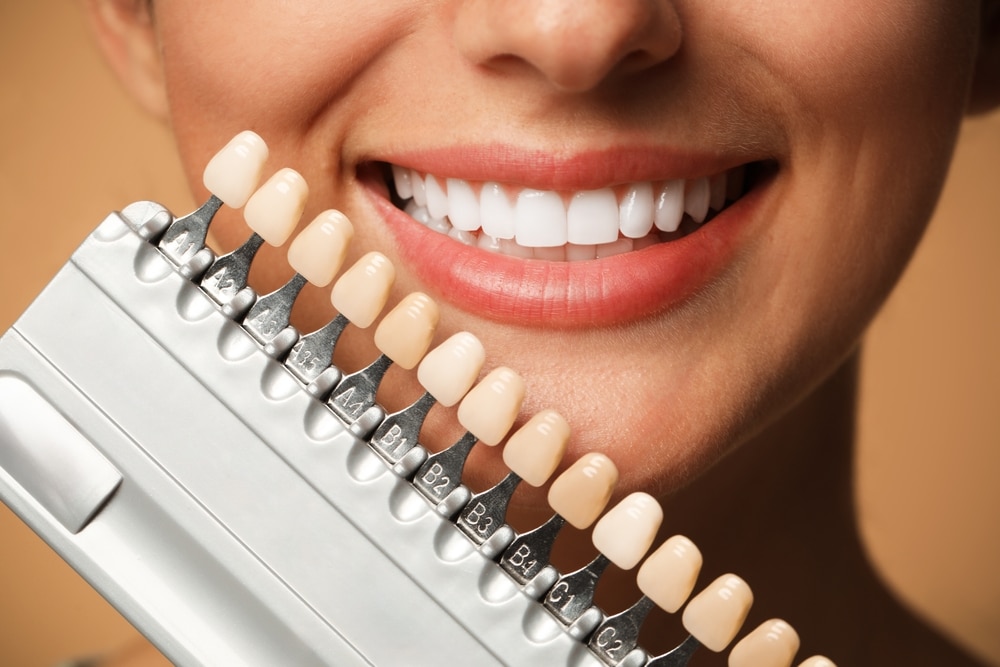
A confident smile is often shaped by small details such as tooth color, shape, and symmetry. When chips, discoloration, gaps, or uneven edges affect your teeth, cosmetic dentistry can offer meaningful improvement. Two of the most commonly considered options are dental veneers and dental bonding. While both aim to enhance appearance, they differ in materials, longevity, preparation, and ideal use cases. At Smile League Dental, patients often ask which option best fits their goals, lifestyle, and long-term expectations.
Dental veneers are thin shells, usually made of porcelain or ceramic, that are custom-crafted and bonded to the front surfaces of teeth. They are designed to create a durable, natural-looking result that resists staining and maintains color stability over time. Veneers require careful planning and typically involve removing a small amount of enamel to ensure proper fit and aesthetics. Because of this, veneers are considered a long-term cosmetic solution and are best suited for patients seeking a comprehensive smile upgrade. According to the American Dental Association, porcelain veneers are valued for their strength, lifelike appearance, and longevity when properly maintained.
Dental bonding, by contrast, uses a tooth-colored composite resin that is applied directly to the tooth and shaped by the dentist. Bonding is more conservative, as it usually does not require enamel removal. It is often completed in a single visit and is well-suited for minor cosmetic concerns such as small chips, slight gaps, or localized discoloration. Bonding can produce attractive results, but it is more prone to staining and wear over time compared to porcelain veneers. Clinical overviews published by the Cleveland Clinic note that bonding is a practical option for patients seeking a less invasive and more affordable cosmetic improvement.
Understanding The Key Differences In Longevity And Maintenance
One of the most significant distinctions between veneers and bonding is how long the results typically last. Porcelain veneers often last 10 to 15 years or longer with proper care, while bonding may require touch-ups or replacement within several years, depending on habits and bite forces. Veneers are also more resistant to staining from coffee, tea, and wine, whereas bonded resin can gradually discolor. For patients looking for a more enduring cosmetic solution, this difference is an important consideration.
Maintenance for both options involves consistent oral hygiene and regular dental visits. Neither veneers nor bonding are immune to damage from grinding or biting hard objects. In some cases, a protective night guard may be recommended. As Dr. Morolayo Oluyemi (DMD, MPH, BDS) often explains, the best cosmetic outcome depends not only on the procedure itself but also on how well it aligns with a patient’s daily habits and long-term oral health.
Choosing The Right Option For Your Smile Goals
Veneers are often recommended for patients seeking uniform changes across multiple teeth, such as improving overall color consistency or reshaping worn or uneven teeth. Bonding is more commonly used for targeted corrections when the surrounding teeth are already in good condition. Cost can also play a role, as bonding generally involves a lower upfront investment, while veneers reflect the added laboratory work and materials involved.
A thoughtful evaluation is essential before choosing either option. Factors such as enamel thickness, bite alignment, gum health, and aesthetic expectations all influence the recommendation. Dr. Morolayo Oluyemi (DMD, MPH, BDS) emphasizes that cosmetic dentistry should support both appearance and function, ensuring results that look natural and feel comfortable.
Frequently Asked Questions About Veneers And Bonding
Are Veneers Permanent?
Veneers are considered irreversible because a small amount of enamel is typically removed during preparation. Once placed, they require long-term commitment and eventual replacement after many years.
Does Dental Bonding Damage Teeth?
Bonding is conservative and usually does not involve enamel removal. This makes it a flexible option for patients who prefer a less invasive cosmetic treatment.
Which Option Looks More Natural?
Both options can look natural when done properly. Porcelain veneers tend to reflect light more like natural enamel, while bonding relies heavily on artistic shaping and polishing.
Can Veneers Or Bonding Fix Severe Tooth Damage?
Significant structural damage may require other restorative treatments. Veneers and bonding are primarily cosmetic and work best when the underlying tooth is healthy.
How Do I Know Which Option Is Right For Me?
A personalized consultation allows your dentist to evaluate your teeth, discuss goals, and recommend the most appropriate solution. Dr. Morolayo Oluyemi (DMD, MPH, BDS) focuses on tailoring cosmetic care to each individual rather than applying a one-size-fits-all approach.
Schedule A Cosmetic Consultation At Smile League Dental
If you are considering veneers or bonding, a professional evaluation can clarify which option best supports your smile goals. Smile League Dental, located at 3587 Hennepin Dr, Joliet, IL 60431, provides patient-focused cosmetic dentistry with careful attention to detail. Contact the Joliet dentists at Smile League Dental at 815-782-6243 to schedule your consultation with Dr. Morolayo Oluyemi (DMD, MPH, BDS). Thoughtful cosmetic planning today can lead to confidence and comfort for years to come.

Recent Comments