 Mon to Thur 9am- 6pm and Friday 9am- 8pm; Saturday 9am-3pm.


 smileleaguedental@gmail.com

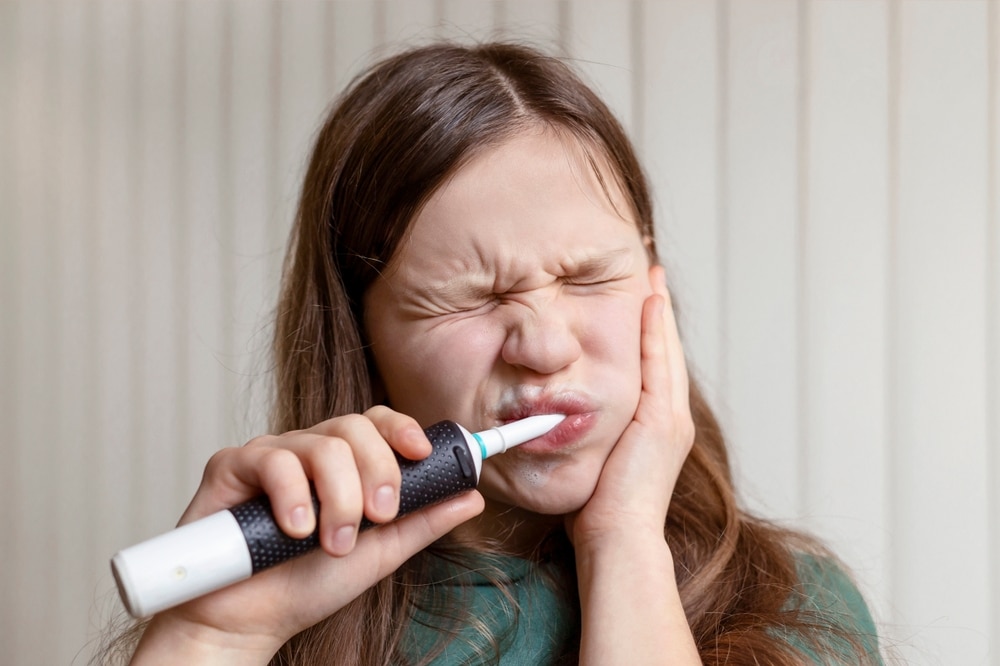
Stress affects far more than mood, sleep, and concentration. Mounting research shows that elevated stress hormones can directly influence oral health, triggering changes in the mouth that increase the risk of tooth damage, inflammation, and gum disease. Many patients at Smile League Dental in Joliet are surprised to learn how closely oral health is tied to the body’s stress response.
As Dr. Morolayo Oluyemi (DMD, MPH, BDS) often explains, the mouth mirrors what is occurring systemically, which is why stress-related symptoms can surface even when brushing and flossing routines have not changed. Understanding these connections helps patients recognize early warning signs before they progress into chronic problems. The Cleveland Clinic and the American Dental Association both note that stress can alter saliva production, immune function, and muscle tension, creating an environment where decay, jaw pain, and periodontal issues are more likely to develop.
When pressure from work, family, or health concerns increases, one of the most common consequences is nighttime teeth grinding, also known as bruxism. Grinding can wear down enamel, fracture restorations, and strain the temporomandibular joint. Some people clench their jaw during the day without realizing it, especially during prolonged periods of concentration or worry.
Stress can also weaken the immune response, making it harder for the body to regulate oral bacteria. This is why gum inflammation, tender tissues, and bleeding during brushing may appear during stressful periods. According to the American Academy of Periodontology, chronic stress is linked to higher rates of periodontal disease. Additionally, people experiencing stress sometimes skip dental appointments, snack more frequently, or choose sugary foods for comfort—habits that contribute to decay.
Dr. Morolayo Oluyemi (DMD, MPH, BDS) emphasizes that these patterns are common but manageable when patients understand what to look for. She encourages patients to monitor subtle changes such as jaw soreness in the morning, gum sensitivity, or chipping along the edges of teeth, as these may signal stress-related strain that should be addressed before it progresses.
To protect long-term oral health, Smile League Dental recommends a balanced approach that supports both physical and oral wellness. Customized night guards can reduce grinding damage, while professional cleanings help control inflammation during stressful periods. Hydration, a nutrient-rich diet, and consistent brushing and flossing remain essential, especially when stress hormones make tissues more reactive.
Patients can also benefit from relaxation techniques, exercise, and improved sleep hygiene, all shown to support healthier oral immune function. Dr. Morolayo Oluyemi (DMD, MPH, BDS) frequently collaborates with patients to identify lifestyle patterns unique to them, tailoring preventive care to reduce the impact of stress on their teeth and gums. Stress may be unavoidable, but its oral consequences can be controlled with early awareness and strategic care.
Dental Care FAQs
Can Stress Cause Tooth Pain Even If I Do Not Have Cavities?
Yes, stress can cause discomfort without decay. Many people clench their jaw or grind their teeth during stressful periods, which strains the muscles and ligaments supporting the teeth. This tension can create a dull ache or sensitivity that feels similar to tooth pain but originates from muscular overuse. Grinding can also irritate the periodontal ligament, creating soreness when biting down. In some cases, sinus pressure triggered by stress-related inflammation can worsen dental discomfort. A dentist can determine whether the source is mechanical, muscular, or structural and develop a care plan to relieve the pressure.
Why Does Stress Increase The Risk Of Gum Disease?
Stress affects immune efficiency, which makes it harder for the body to regulate oral bacteria. When the immune response slows, plaque irritates the gums more easily, leading to swelling, tenderness, and bleeding. Chronic stress can also increase cortisol levels, and elevated cortisol is associated with higher rates of periodontal inflammation. Combined with lifestyle shifts—such as disrupted sleep, skipped brushing, or increased snacking, gum tissues become more vulnerable. Regular cleanings and early evaluation are especially important during prolonged stressful periods.
Is Teeth Grinding Always Caused By Emotional Stress?
Not always, but stress is a significant contributing factor. Some individuals grind due to bite alignment issues or airway problems during sleep. For others, emotional strain increases involuntary clenching, particularly at night. Even if the cause is multifactorial, stress often intensifies grinding episodes. A dental examination can reveal whether enamel wear, chipped edges, or jaw tenderness indicates bruxism. Treatment may involve a night guard, bite adjustment, or strategies that reduce physical tension.
How Can I Protect My Teeth If I Am Going Through A Stressful Period?
Stay consistent with brushing and flossing, maintain regular dental visits, and pay attention to subtle symptoms like jaw soreness or gum irritation. A custom night guard can protect your teeth from grinding, and professional cleanings can help control inflammation. Try to keep hydration and balanced nutrition steady, even when routines feel disrupted. If stress is affecting your sleep, mood, or eating habits, addressing those factors will also support oral health.
Call Smile League Dental Today
Stress affects oral health more than many people realize, and early attention can prevent long-term damage. Smile League Dental provides comprehensive care designed to protect your teeth and gums during stressful times and beyond. Smile League Dental, located at 3587 Hennepin Dr, Joliet, IL 60431, serves patients throughout the Joliet community. Contact the Joliet dentists at Smile League Dental at 815-782-6243 to schedule your consultation with Dr. Morolayo Oluyemi (DMD, MPH, BDS). Call today to safeguard your oral health with attentive, individualized care

Recent Comments