 Mon to Thur 9am- 6pm and Friday 9am- 8pm; Saturday 9am-3pm.


 smileleaguedental@gmail.com

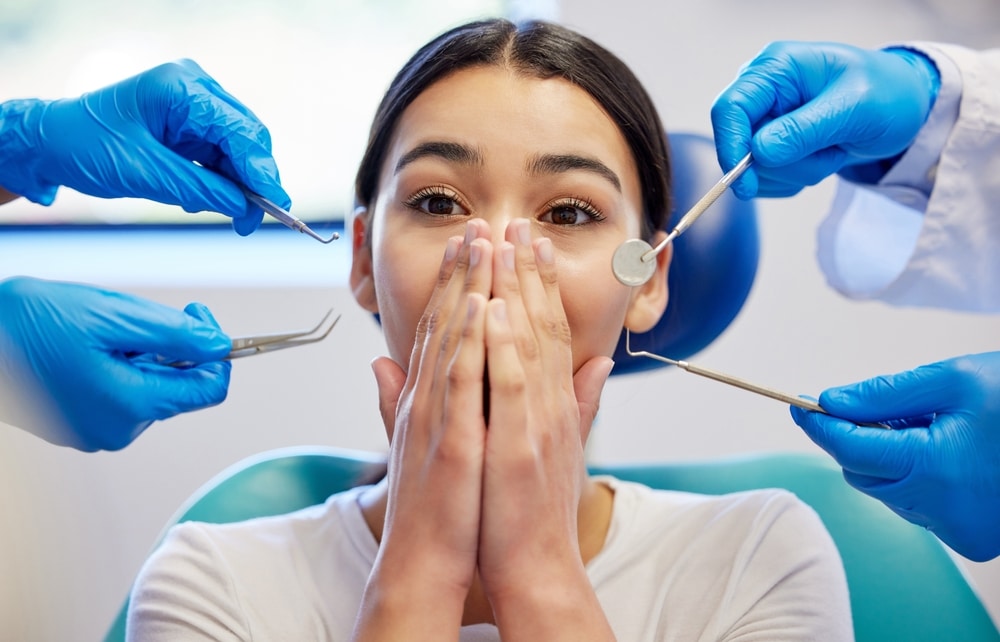
Dental anxiety is far more common than many people realize, and it affects patients across all ages and education levels. I see individuals who understand the importance of oral health, yet still feel a strong physical or emotional response when it is time for a dental visit. Anxiety can stem from past experiences, fear of pain, loss of control, or even the sounds and smells associated with dental care. These reactions are real, and they deserve to be addressed with practical, evidence-based strategies rather than dismissal. When anxiety is managed properly, dental care becomes more predictable, more comfortable, and easier to maintain over time.
At Smile League Dental, we approach dental anxiety as part of overall patient care, not as an inconvenience. Clear communication, trust, and pacing matter just as much as clinical skill. Dr. Morolayo Oluyemi believes that when patients understand what is happening and feel respected during treatment, anxiety often decreases on its own. Managing dental anxiety is not about forcing patients through appointments; it is about creating conditions where fear no longer controls decisions about health.
Understanding Why Dental Anxiety Happens
Dental anxiety is closely linked to how the brain responds to perceived threats. Anticipation of discomfort can trigger the same stress response as actual pain, even before treatment begins. Research shows that anxiety heightens pain sensitivity, meaning fearful patients may experience more discomfort during procedures that are otherwise well tolerated. According to the American Dental Association, anxiety and dental avoidance often reinforce each other, leading to delayed care and more complex treatment later.
Loss of control is another major factor. Lying back in a chair, not seeing instruments, and feeling unable to speak freely can increase stress. Recognizing these triggers allows dental teams to adjust how care is delivered, including offering breaks, explaining steps in advance, and checking in throughout treatment.
Communication As A Clinical Tool
Clear, calm communication is one of the most effective tools for reducing anxiety. Patients who know what to expect tend to feel more grounded during appointments. This includes discussing sensations, duration, and alternatives before treatment begins. Studies published by the Cleveland Clinic emphasize that predictable information reduces fear responses and improves patient comfort.
For many patients, agreeing on a simple hand signal to pause treatment restores a sense of control. This small adjustment can significantly lower stress and help patients remain engaged rather than tense or avoidant.
Behavioral And Relaxation Techniques That Work
Controlled breathing is a powerful method for calming the nervous system. Slow, deep breathing lowers heart rate and reduces muscle tension. Listening to music or guided relaxation through headphones can also redirect focus away from dental stimuli. The NHS highlights relaxation and distraction as proven approaches for managing dental fear.
Progressive muscle relaxation, where patients consciously relax muscle groups during treatment, has also been shown to reduce anxiety. These techniques are simple, cost-free, and effective when practiced consistently.
Clinical Comfort Measures
Modern dentistry offers many ways to improve physical comfort, which directly impacts anxiety levels. Adequate local anesthesia, topical numbing agents, and gentle techniques all play a role. Appointments scheduled earlier in the day often help anxious patients avoid prolonged anticipation. Shorter visits, when appropriate, can also make care feel more manageable.
For patients with higher levels of anxiety, discussing additional calming options in advance is important. Individualized planning helps prevent surprises and builds confidence over time.
Consistency Builds Confidence
Anxiety decreases when patients have repeated positive experiences. Regular preventive visits reduce the likelihood of extensive procedures and help establish familiarity with the dental environment. Over time, predictability replaces fear. Dr. Morolayo Oluyemi (DMD, MPH, BDS) emphasizes that dental anxiety is not a personal failing; it is a common response that improves with understanding, trust, and consistency.
When patients feel heard and supported, they are more likely to keep appointments and protect their long-term oral health. Managing dental anxiety is not about pushing through fear; it is about removing the reasons that fear takes hold in the first place.
If dental anxiety has been holding you back, thoughtful care and clear communication can make a meaningful difference. Dr. Morolayo Oluyemi (DMD, MPH, BDS) and the team at Smile League Dental focus on creating a calm, respectful environment where patients can receive care without added stress. Contact the Joliet dentists at Smile League Dental at 815-782-6243 to schedule your consultation with Dr. Morolayo Oluyemi (DMD, MPH, BDS).

Recent Comments