 Mon to Thur 9am- 6pm and Friday 9am- 8pm; Saturday 9am-3pm.


 smileleaguedental@gmail.com

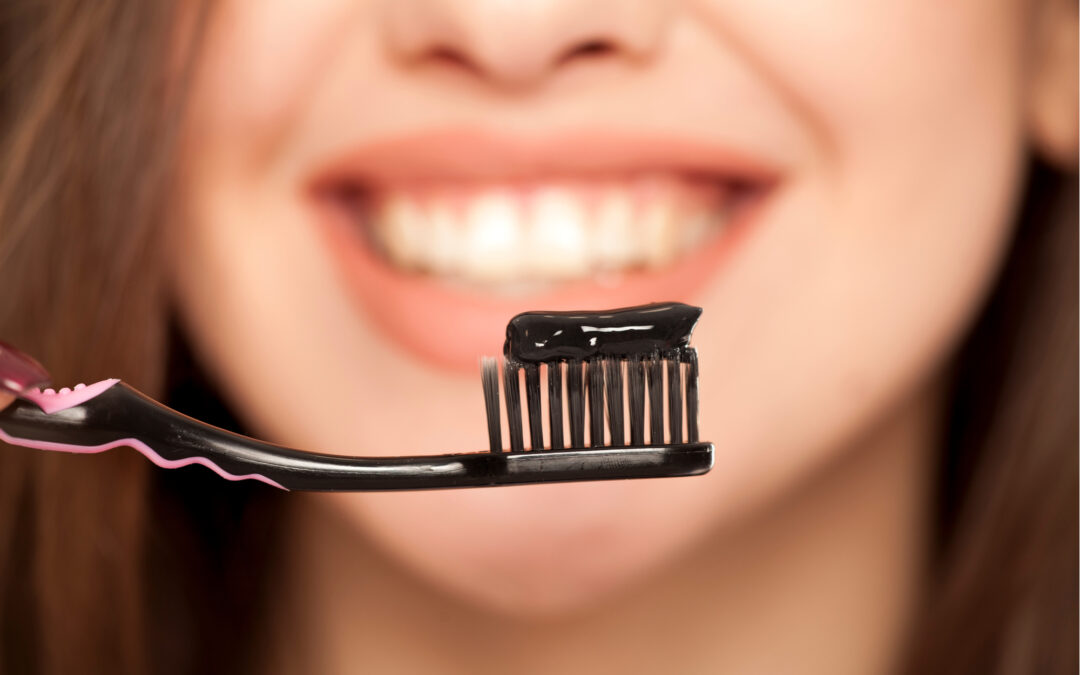
Activated charcoal has been touted as a teeth whitening solution by toothpaste companies for years. But does it really offer lasting results or are the benefits it offers only myths? In order to understand that, we need to deep dive into this ‘miraculous’ solution.
What Is Activated Charcoal?
Activated charcoal is a fine powder or mixture comprise of peat, coal, sawdust, coconut shells or olive pits. It’s called ‘activated’ because it is treated to high temperatures, which alter its internal structure. The process significantly reduces its pores, which results in a larger surface area.
This charcoal is NOT to be confused with the charcoal used in traditional outdoor barbecues. Those are briquettes, the only difference being they are not activated at high temperatures and contain substances, which can be toxic if ingested.
What does Activated Charcoal do for Teeth?
Activated charcoal is super absorbent and it can allegedly detox your mouth. When applied, it sticks to tartar, leftover food, bacteria and stains and takes them with it when it is removed. The result should be a cleaner mouth and whiter teeth, right?
However, there is no scientific evidence proving what those toothpaste commercials promote. There is no proof, for instance, that activated charcoal effects stains below the enamel or can naturally whiten teeth.
Here are some facts about this charcoal:
- It is too abrasive for everyday use and can wear down enamel with time. This can expose the dentin, which can make your teeth more sensitive and look yellow in appearance.
- Many charcoal toothpastes do not contain fluoride, a substance that is essential when it comes to strengthening tooth enamel. Weak enamel can invite cavities and decay and if you use abrasive activated charcoal toothpaste, you will make the damage worse.
- It can stain teeth as particles accumulate in crevices and cracks, thus defeating its alleged purpose.
Since there is no scientific data suggesting activated charcoal is beneficial for teeth whitening, no product that contains it has the American Dental Association’s Seal of Acceptance. However, despite this, consumers still fall victim to advertising and use these products to their detriment.
If you must use it, use your fingers rather than your toothbrush to apply it to your teeth in order to reduce damage and don’t swallow it, otherwise it can result in an upset stomach. Additionally, activated charcoal products are not approved by the Food and Drug Administration and are considered unsafe for pregnant/breastfeeding women and children.
Book an Appointment with Us Today!
Whether you use charcoal-based dental products or something else, you should get your teeth checked regularly to keep them strong and healthy. That is the best way to prevent cavities and infections, which may worsen if you have an underlying condition. Smile League Dental takes walk-in appointments as well so we can provide care to the most vulnerable patients when needed. The longer you delay, the worse your teeth will get. Get in touch with us for an appointment today.
Frequently Asked Questions About Activated Charcoal for Teeth
Activated charcoal has become a popular ingredient in whitening toothpastes, powders, and oral care products. Marketed as a natural way to brighten smiles, it has gained attention on social media and in dental aisles alike. However, many patients still have questions about how it works, whether it is safe, and if it delivers lasting results. The following frequently asked questions address the most common concerns about activated charcoal for teeth.
What Is Activated Charcoal?
Activated charcoal is a form of carbon that has been treated to increase its surface area and porosity. This process allows it to bind to substances such as toxins, chemicals, and pigments. In dentistry, activated charcoal is used primarily for its ability to absorb surface stains on teeth caused by coffee, tea, wine, or tobacco.
Does Activated Charcoal Actually Whiten Teeth?
Activated charcoal can remove some extrinsic (surface-level) stains, which may make teeth appear whiter temporarily. However, it does not change the natural color of tooth enamel or remove intrinsic stains that occur beneath the enamel. As a result, its whitening effect is generally limited compared to professional teeth whitening treatments performed by a dentist.
Is Activated Charcoal Safe for Teeth?
Safety depends on how often and how aggressively it is used. Activated charcoal is abrasive, and frequent use can wear down tooth enamel over time. Once enamel is damaged, it cannot regenerate, which may lead to increased tooth sensitivity and a higher risk of decay. Dentists typically recommend using charcoal-based products sparingly and only as directed.
Can Activated Charcoal Damage Tooth Enamel?
Yes, excessive or improper use may damage enamel. Many charcoal powders and toothpastes have higher abrasivity than traditional fluoride toothpaste. Daily brushing with highly abrasive products can gradually thin enamel, exposing the underlying dentin and causing teeth to appear more yellow rather than whiter.
Does Activated Charcoal Replace Regular Toothpaste?
No. Most activated charcoal products do not contain fluoride, which is essential for strengthening enamel and preventing cavities. Activated charcoal should not replace fluoride toothpaste in a daily oral hygiene routine. If used at all, it should be considered a supplemental product rather than a primary one.
Does Activated Charcoal Help With Bad Breath?
Activated charcoal may temporarily reduce bad breath by absorbing odor-causing compounds in the mouth. However, it does not address the underlying causes of halitosis, such as gum disease, cavities, or dry mouth. Persistent bad breath should be evaluated by a dental professional.
How Often Can You Use Activated Charcoal on Teeth?
Most dental professionals recommend limiting use to once or twice per week, if at all. Using it more frequently increases the risk of enamel wear. Patients with thin enamel, sensitive teeth, or existing dental restorations should consult a dentist before using charcoal-based products.
Is Activated Charcoal Safe for Dental Work Like Crowns or Veneers?
Activated charcoal will not whiten crowns, veneers, fillings, or bonding materials. Additionally, its abrasiveness may scratch the surface of restorations, causing them to look dull or collect stains more easily. Individuals with cosmetic dental work should exercise caution and seek professional guidance.
Is Activated Charcoal Suitable for Everyone?
Activated charcoal is not recommended for children, individuals with enamel erosion, or patients with active gum disease. People with braces or orthodontic appliances may also find charcoal powders difficult to use effectively and safely.
Are There Better Alternatives to Activated Charcoal for Whitening?
Professional teeth whitening treatments and dentist-recommended whitening products are generally safer and more effective. These options are designed to minimize enamel damage while providing more predictable and longer-lasting results.
Should You Talk to a Dentist Before Using Activated Charcoal?
Yes. A dentist can assess your oral health, determine the cause of tooth discoloration, and recommend safe whitening options tailored to your needs. What works for one patient may not be appropriate for another.

Recent Comments