 Mon to Thur 9am- 6pm and Friday 9am- 8pm; Saturday 9am-3pm.


 smileleaguedental@gmail.com

Dental Implants in Illinois: Everything You Need to Know
Dental implants have become the gold standard for replacing missing teeth because they offer long-lasting results, improved oral health, and a natural appearance. Whether you live in Chicago, Naperville, or elsewhere in Illinois, understanding how dental implants work, their benefits, expected costs, treatment process, and what to consider before undergoing treatment will help you make an informed decision about your smile and oral health.
What Are Dental Implants?
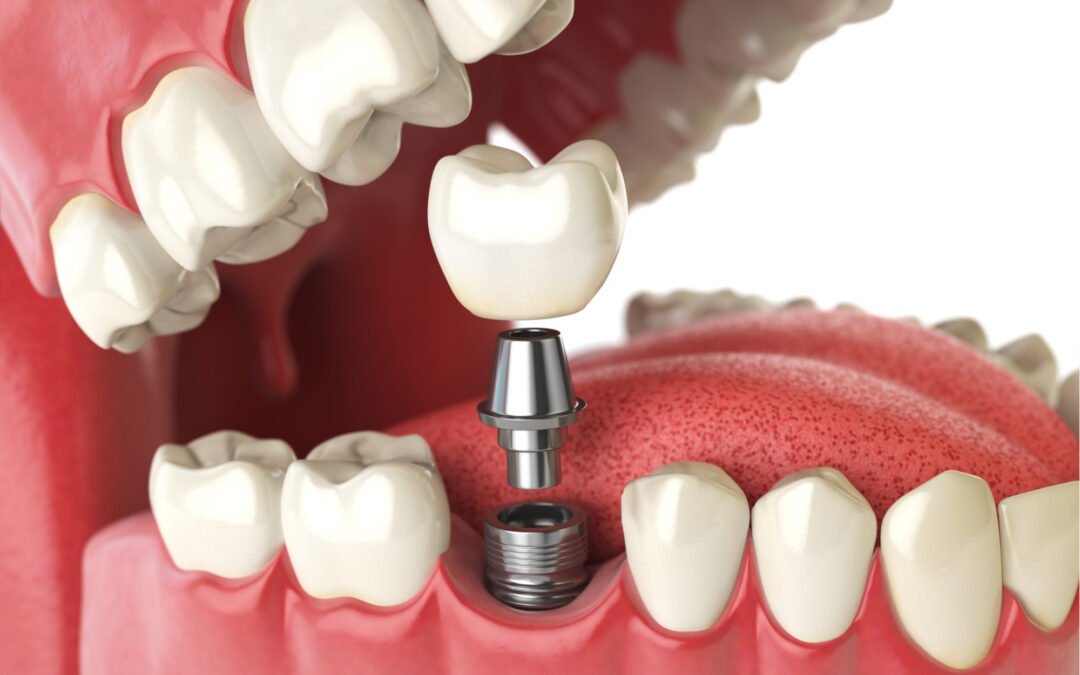
Dental implants are surgically placed tooth roots made of biocompatible materials—most commonly titanium—that are anchored into the jawbone to support one or more artificial teeth. Unlike traditional dentures or bridges, implants are fixed into the bone and function much like natural teeth. Implants typically consist of three main components: the implant fixture, the abutment, and the final prosthetic crown, bridge, or denture.
According to the U.S. Food and Drug Administration (FDA), dental implants are medical devices designed to restore chewing ability, appearance, and oral health after tooth loss. They help preserve bone and prevent bone loss that can occur when teeth are missing.
Why Choose Dental Implants? Key Benefits
Dental implants offer several advantages over other tooth-replacement options:
Natural Look and Function
Implants are designed to look and feel like real teeth. Because the implant fuses with the jawbone through osseointegration, it provides strong support for chewing, speaking, and smiling without worrying about slipping or shifting.
Bone Preservation
Bone loss occurs after tooth extraction or loss. Implants help stimulate the jawbone, reducing bone resorption and preserving natural facial structure.
Durability and Longevity
With proper care, dental implants can last decades or a lifetime. They are typically more durable than traditional dentures or bridges.
Improved Oral Health
Unlike fixed bridges, implants don’t require reducing adjacent teeth, which helps preserve your natural tooth structure.
Dental Implant Options in Illinois
Illinois patients have access to multiple implant solutions depending on their needs:
Single Tooth Implants
Used when one tooth is missing. A titanium implant is placed into the jaw and topped with a custom crown.
Multiple Implants
Implants can replace several adjacent missing teeth without affecting surrounding healthy teeth.
All-on-4 and Full Arch Solutions
For full mouth replacements, options such as “All-on-4” use four strategically placed implants to support an entire arch of teeth. The All-on-4 technique has become popular because it offers strong support with fewer implants than traditional full-mouth restorations.
Implant-Supported Dentures
These are removable or fixed dentures anchored by implants, offering better stability than traditional dentures.
Dental Implant Procedure: What to Expect
1. Initial Consultation
Your dentist will perform a comprehensive dental exam, including X-rays and 3D imaging, to assess bone health and plan the implant placement.
2. Preparatory Treatments
Some patients require additional treatments such as bone grafting or sinus lifts before implants can be placed. These procedures help create a stable foundation for the implant.
3. Implant Placement Surgery
During a minor surgical procedure, the implant post is placed into the jawbone. The area is then given time to heal—typically a period of three to six months—to allow osseointegration.
4. Abutment and Crown Placement
Once the implant integrates with the bone, an abutment and then a custom crown or prosthesis are attached.
5. Follow-Up and Maintenance
Regular dental check-ups and daily oral care help ensure long-term success.
Cost of Dental Implants in Illinois
Costs for dental implants in Illinois vary based on the number of implants, materials, additional procedures, and whether advanced techniques are used:
Single Tooth Implant
- Typical range: ~$3,000 to $6,000 per implant (implant post, abutment, and crown).
Full Arch or Multiple Implants
- Full arch restorations or multiple implants can range significantly higher—sometimes $20,000 to $50,000+—depending on the complexity and method used.
Additional Procedures
- Bone grafting, sinus lifts, and other preparatory surgeries may increase total costs.
Insurance & Financing
Most dental insurance plans do not fully cover implants, since they are often classified as elective procedures. However, some plans may cover parts of the treatment, such as the crown or extractions. Patients sometimes use HSAs, FSAs, or third-party financing to manage costs.
Factors Affecting Dental Implant Costs
Several elements influence pricing:
- Type of implant and material
- Clinic location (e.g., Chicago typically has higher costs than smaller Illinois towns)
- Dentist or specialist experience
- Number of implants
- Need for preparatory treatments
- Digital planning and guided surgery equipment
Are You a Candidate for Dental Implants?
Ideal candidates for dental implants typically have:
- Good overall oral health
- Adequate jawbone density
- Healthy gums
Even if a patient has experienced bone loss, bone grafting can often address this. A professional consultation with an experienced implant dentist is essential to determine candidacy.UIC College of Dentistry
Benefits of Dental Implants Compared to Other Options
Compared to teeth replacement alternatives like dentures or bridges, implants offer durability and superior function. While dentures may cost less initially, they often require replacement or adjustment over time. Bridges require altering adjacent teeth, which implants do not. Over many years, implants can be a cost-effective investment.
Risks and Considerations
As with any surgical procedure, dental implants come with potential risks:
- Infection
- Nerve damage
- Implant failure
Smoking and certain medical conditions can affect healing and success rates. Discussing your full medical history with your dentist is important to minimize risk.
Illinois Specific Considerations
Residents of Illinois—especially in urban areas like Chicago, Naperville, Springfield, or Peoria—have access to a wide range of dental implant specialists, including prosthodontists, oral surgeons, and general dentists trained in implantology. Beginning with a consultation at a reputable practice ensures personalized treatment planning and realistic expectations.
Care and Maintenance After Implant Placement
To maintain implants:
- Brush and floss daily
- Attend regular dental checkups
- Avoid tobacco use
- Protect against teeth grinding
With proper care, dental implants can remain functional for decades.
Frequently Asked Questions About Dental Implants in Illinois
Dental implants are one of the most advanced and reliable solutions for replacing missing teeth. Patients across Illinois—from Chicago to suburban and downstate communities—choose dental implants for their durability, natural appearance, and long-term oral health benefits. Below are answers to some of the most frequently asked questions about dental implants.
What Are Dental Implants?
Dental implants are artificial tooth roots made of biocompatible materials, typically titanium. They are surgically placed into the jawbone to support a crown, bridge, or denture. Over time, the implant fuses with the bone through a process called osseointegration, creating a strong and stable foundation for replacement teeth.
Who Is a Good Candidate for Dental Implants?
Most adults with one or more missing teeth are candidates for dental implants. Ideal candidates generally have healthy gums, sufficient jawbone density, and good overall oral health. Patients with bone loss may still qualify for procedures such as bone grafting. A dental evaluation is necessary to determine eligibility.
How Long Do Dental Implants Last?
With proper care, dental implants can last decades or even a lifetime. Regular dental checkups, good oral hygiene, and avoiding habits such as smoking or teeth grinding can significantly extend the lifespan of implants. The crown attached to the implant may need replacement over time due to normal wear.
Are Dental Implants Painful?
Dental implant procedures are typically performed under local anesthesia, and some patients may also receive sedation. Most patients report minimal discomfort during the procedure and manageable soreness afterward, similar to a tooth extraction. Post-operative pain is usually controlled with over-the-counter or prescribed medication.
How Long Does the Dental Implant Process Take?
The dental implant process can take several months from start to finish. After the implant is placed, a healing period of three to six months allows the implant to fuse with the jawbone. Once healing is complete, the final crown or restoration is attached. Some patients may qualify for same-day or immediate-load implants.
Are Dental Implants Covered by Insurance in Illinois?
Coverage for dental implants varies depending on the insurance plan. Some Illinois dental insurance policies cover portions of the procedure, such as the crown or surgical placement, while others may not. Many dental practices offer financing options to help make implants more affordable.
How Do Dental Implants Compare to Dentures or Bridges?
Dental implants offer several advantages over traditional dentures and bridges. Unlike dentures, implants do not slip or require adhesives. Unlike bridges, implants do not rely on adjacent teeth for support. Implants also help preserve jawbone structure, preventing bone loss that commonly occurs after tooth loss.
What Is the Success Rate of Dental Implants?
Dental implants have a high success rate, often exceeding 95% when placed by experienced dental professionals. Success depends on factors such as oral health, bone quality, lifestyle habits, and adherence to aftercare instructions.
How Do I Care for Dental Implants?
Caring for dental implants is similar to caring for natural teeth. Patients should brush twice daily, floss regularly, and attend routine dental visits. Maintaining good oral hygiene helps prevent gum disease and ensures the long-term success of implants.
Contact The Joliet Dental Implant Professionals At Smile League
Dental implants are a trusted and effective tooth replacement option for patients throughout Illinois. By restoring function, appearance, and confidence, implants can significantly improve quality of life. A consultation with an experienced dental professional is the best way to determine whether dental implants are right for you.
At Smile League Dental, we are committed to serving individuals and families with the best dental procedures in Illinois. This includes children, adults, and elderly clients. Our clinic is located just two minutes from the Louis Joliet Mall – between Joliet, Plainfield, Crest Hill, and Aurora. We provide excellent diagnostic assessments and cosmetic and preventive dental services in these areas, as well as the wider Chicago area. Book an appointment today by calling 815-782-6243 and take charge of your oral health.

Recent Comments