 Mon to Thur 9am- 6pm and Friday 9am- 8pm; Saturday 9am-3pm.


 smileleaguedental@gmail.com

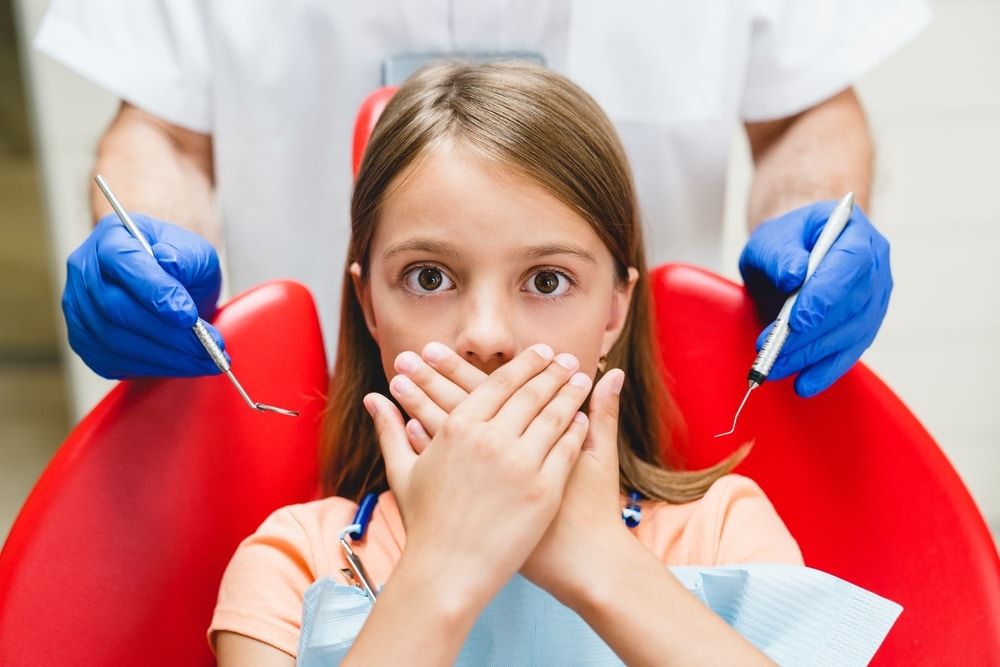
Preventive dentistry helps patients protect their oral health and save money over time. At Smile League Dental, we focus on finding risks early, managing them with simple steps, and helping patients avoid expensive emergency treatments. Preventive care includes regular exams, cleanings, diagnostic imaging, and personal risk assessments. These visits are more than just checkups; they are thorough evaluations to catch decay, gum disease, bite problems, and enamel wear before they get worse. Treating issues early usually means simpler, less invasive, and much less expensive care than waiting until problems become serious.
From a financial perspective, prevention works because oral disease is progressive. Tooth decay begins at a microscopic level and can often be stabilized or reversed with fluoride and improved hygiene. Gum disease starts as mild inflammation and can frequently be managed with routine cleanings and home care guidance. When these early signs are ignored, treatment escalates to crowns, root canal therapy, periodontal procedures, or tooth replacement.
According to the Centers for Disease Control and Prevention, untreated cavities and gum disease remain among the most common chronic conditions in adults, yet many of these outcomes are preventable with consistent care and early intervention. Preventive dentistry shifts the focus from repairing damage to preserving healthy structures, which directly limits long-term costs.
Why Early Detection Changes The Cost Curve
Dental costs are easy to understand. Regular exams and cleanings cost much less than fixing a badly damaged tooth. Tools like digital X-rays and gum measurements help dentists find problems before you can see or feel them. This is important because pain usually means the problem has already gotten worse. Dr. Morolayo Oluyemi (DMD MPH BDS) often tells patients that finding issues early helps keep their natural teeth and lowers the chance of needing complicated treatments later. Keeping your own teeth is healthier and much more affordable than replacing them.
Preventive dentistry also reduces indirect costs that patients often overlook. Missed work, emergency appointments, and prolonged recovery times carry financial consequences beyond dental fees. Regular preventive visits are predictable, brief, and scheduled on the patient’s terms. In contrast, untreated problems tend to surface at inconvenient times and require urgent care. The American Dental Association consistently reports that preventive care is associated with lower lifetime dental spending and better oral health outcomes. This alignment of health and cost is why prevention remains the foundation of responsible dental care.
Prevention And Long-Term Oral Stability
Another financial advantage of prevention lies in treatment durability. Restorative procedures, while effective, have a finite lifespan. Fillings, crowns, and implants require maintenance and eventual replacement. Preventive care extends the life of both natural teeth and existing restorations by controlling the conditions that cause failure, such as decay and gum disease. Dr. Morolayo Oluyemi (DMD MPH BDS) often explains that prevention is not about avoiding dentistry altogether, but about ensuring that when treatment is needed, it lasts longer and performs better.
Preventive dentistry also supports systemic health, which indirectly affects long-term healthcare costs. Chronic oral inflammation has been linked to conditions such as diabetes and cardiovascular disease, as documented by the National Institute of Dental and Craniofacial Research. Managing oral health proactively helps reduce inflammatory burden and supports overall wellness, further reinforcing the financial value of prevention.
Frequently Asked Questions About Preventive Dentistry And Cost
How Often Should Preventive Dental Visits Occur?
Most patients benefit from exams and cleanings every six months, though some may require more frequent visits based on risk factors. This schedule allows early detection and consistent monitoring.
Does Preventive Care Really Reduce The Need For Major Procedures?
Yes. Early management of decay and gum disease often prevents the need for crowns, root canals, and extractions, which are significantly more expensive.
Are Preventive Visits Still Important If I Do Not Have Symptoms?
Absolutely. Many dental problems develop without pain. Preventive visits identify issues before symptoms appear, when treatment is simpler and less costly.
How Does Prevention Affect The Longevity Of Dental Work?
Preventive care helps protect restorations by controlling decay and gum disease, extending their functional lifespan, and reducing replacement costs.
Is Preventive Dentistry Worth It Without Dental Insurance?
Even without insurance, preventive care is typically far less expensive than treating advanced disease. It helps patients avoid large, unexpected expenses.
Schedule Your Exam With Dr. Oluyemi Today
Dr. Morolayo Oluyemi (DMD MPH BDS) and the team at Smile League Dental view prevention as a long-term investment in health, stability, and financial predictability. Contact the Joliet dentists at Smile League Dental at 815-782-6243 to schedule your consultation with Dr. Morolayo Oluyemi (DMD, MPH, BDS). Learn how preventive dentistry supports both oral health and long-term savings.

Recent Comments