 Mon to Thur 9am- 6pm and Friday 9am- 8pm; Saturday 9am-3pm.


 smileleaguedental@gmail.com

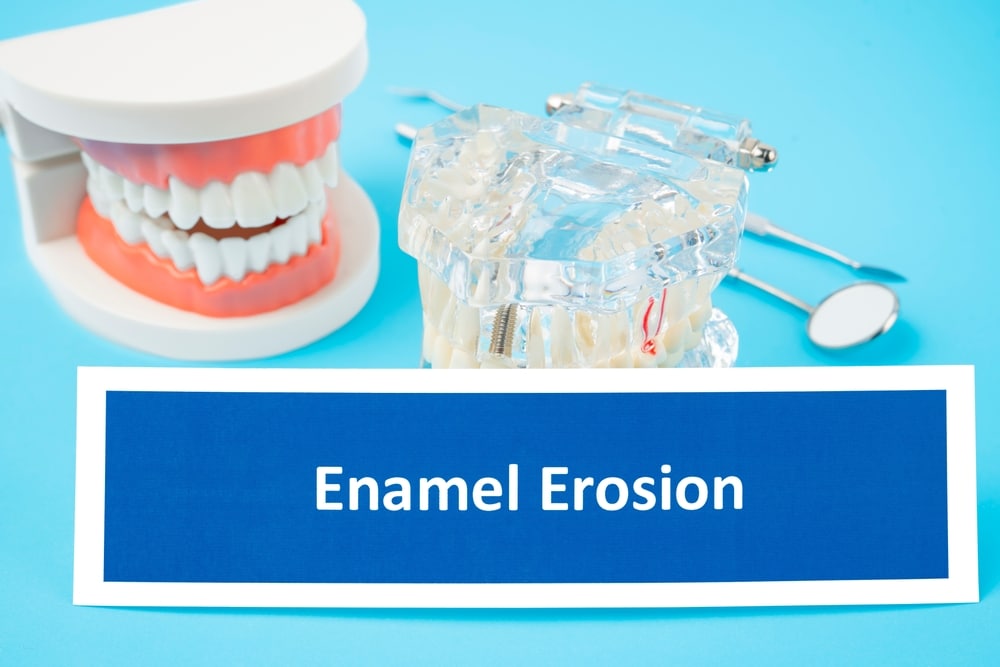
Tooth enamel, the hardest substance in the body, can gradually erode when exposed to acids and other harmful conditions. It protects the inner tooth structure, including dentin and pulp. Because enamel does not regenerate, prevention and early intervention are critical for long-term dental health. Many patients at Smile League Dental in Joliet report increased sensitivity or notice their teeth appear thinner or more yellow, often due to enamel erosion. Understanding the causes of enamel breakdown enables patients to take effective steps to protect their teeth and prevent further damage.
Enamel erosion happens when acids weaken and dissolve the tooth’s outer surface. Dietary acids are a leading cause. Beverages such as soda, sports drinks, citrus juices, and energy drinks contain acids that gradually soften enamel. According to the American Dental Association, frequent consumption of acidic drinks increases the risk of enamel wear. Acidic foods, including lemons, vinegar-based dressings, and certain candies, also contribute. Acid reflux, or gastroesophageal reflux disease (GERD), can expose teeth to stomach acids, causing significant enamel damage over time.
The National Institute of Diabetes and Digestive and Kidney Diseases notes that chronic reflux exposes teeth to strong acids that weaken enamel. Dry mouth is another factor, as saliva helps neutralize acids and repair early enamel damage. Reduced saliva production from medications, dehydration, or medical conditions lessens this protection. At Smile League Dental, Dr. Morolayo Oluyemi (DMD, MPH, BDS) carefully assesses these risk factors during exams, as identifying the cause of enamel erosion is essential for long-term oral health.
Preventing Enamel Erosion
Preventing enamel erosion involves lifestyle changes and regular dental care. Limiting acid exposure is key. Patients should reduce intake of soda and sports drinks or switch to water. Using a straw with acidic beverages and waiting at least 30 minutes before brushing after consuming acids can help protect enamel. Fluoride strengthens enamel and supports remineralization.
The Centers for Disease Control and Prevention states that fluoride helps rebuild weakened enamel and slows tooth decay. Dentists may recommend fluoride toothpaste, prescription treatments, or dental sealants based on erosion severity. Those who grind their teeth at night may benefit from a custom night guard to prevent mechanical wear. Dr. Morolayo Oluyemi (DMD, MPH, BDS) emphasizes early intervention, as enamel loss is easier to prevent than to restore. Advanced erosion may require restorative treatments such as bonding, veneers, or crowns. Early evaluation at Smile League Dental in Joliet enables prompt identification of enamel erosion and provides patients with effective strategies for long-term oral health.
Frequently Asked Questions About Enamel Erosion
What Is Tooth Enamel And Why Is It Important?
Tooth enamel is the outer protective layer of each tooth. It shields the inner structures from temperature changes, chewing forces, and bacterial damage. Although enamel is extremely strong, it can weaken when exposed to repeated acid attacks or mechanical stress. Once enamel wears away, the tooth becomes more vulnerable to sensitivity, discoloration, and cavities. Because enamel cannot regenerate naturally, protecting it through preventive dental care and healthy habits is essential.
What Are The Early Signs Of Enamel Erosion?
Early enamel erosion often appears as increased tooth sensitivity when eating hot, cold, or sweet foods. Some individuals notice a slight yellow tint because the underlying dentin becomes more visible as enamel thins. Teeth may also appear smoother or more rounded along the edges. In more advanced cases, small cracks, indentations, or cupping on the chewing surfaces of teeth may develop. Regular dental exams allow these changes to be identified before significant damage occurs.
Can Enamel Erosion Be Reversed?
Enamel cannot regrow once lost. However, early mineral loss can sometimes be reversed through remineralization. Fluoride treatments, better oral hygiene, and reducing acid exposure help strengthen weakened enamel and prevent further erosion. Dentists may also recommend products to reinforce enamel and reduce sensitivity.
Does Brushing Too Hard Damage Enamel?
Yes. Brushing too hard with a hard-bristle toothbrush can wear down enamel and irritate gums over time. Dentists recommend using a soft-bristled toothbrush and gentle circular motions. Proper technique cleans teeth effectively without damaging enamel.
When Should Someone See A Dentist About Possible Enamel Erosion?
Anyone who experiences persistent tooth sensitivity, visible changes in tooth shape, or discoloration should schedule a dental evaluation. Dentists can identify the underlying cause of enamel erosion and recommend steps to stop the damage. Early intervention allows patients to protect their natural teeth and avoid more complex restorative procedures in the future.
Schedule A Consultation At Smile League Dental In Joliet
Protecting enamel is vital for long-term oral health. Early detection of enamel erosion allows for treatment that can prevent sensitivity, structural damage, and costly procedures. Patients who notice increased sensitivity, thinning enamel, or visible wear should schedule a dental evaluation to address the cause and prevent further damage.
At Smile League Dental, patients receive comprehensive preventive and restorative dental care in a modern, patient-focused environment. Dr. Morolayo Oluyemi (DMD, MPH, BDS) provides careful evaluation of enamel health and works with each patient to develop practical strategies that protect teeth from ongoing acid damage and structural wear.
Contact the Joliet dentists at Smile League Dental at 815-782-6243 to schedule your consultation with Dr. Morolayo Oluyemi (DMD, MPH, BDS). Early evaluation can help preserve your natural teeth and support long-term oral health.

Recent Comments