 Mon to Thur 9am- 6pm and Friday 9am- 8pm; Saturday 9am-3pm.


 smileleaguedental@gmail.com

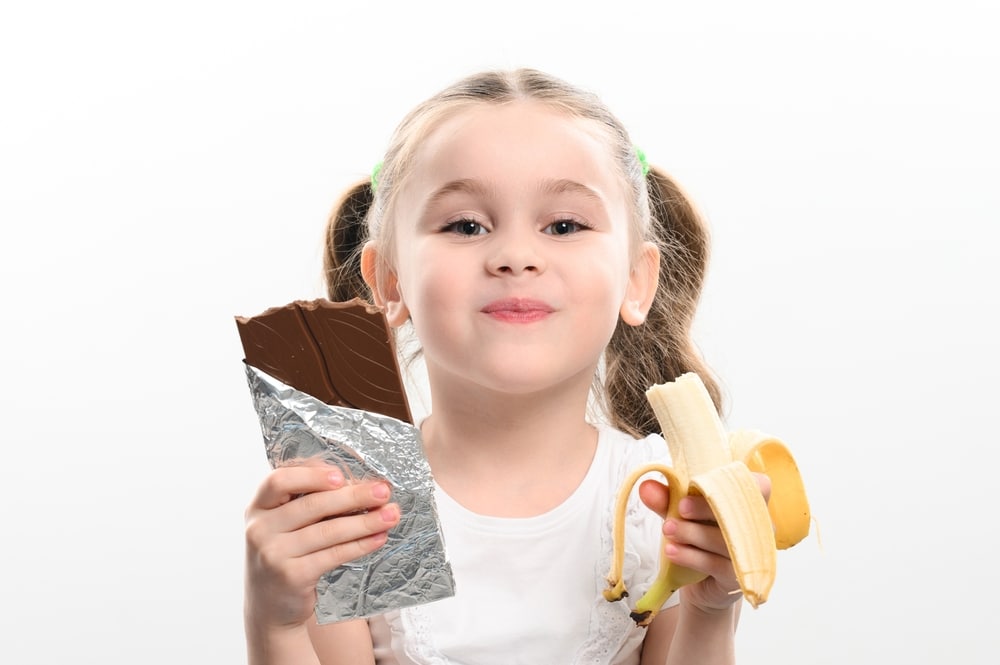
Diet and snacking habits directly influence tooth decay, often in subtle ways. Both the type and frequency of food matter, as well as the duration teeth are exposed to sugars and acids. Each time you eat carbohydrates or sugary foods, oral bacteria produce acids that weaken enamel. Without enough time for recovery, repeated exposure allows acids to erode the tooth surface and form cavities. Frequent snacking is often more harmful than larger meals because it keeps the mouth acidic and reduces saliva’s protective effects. Saliva neutralizes acids and repairs early enamel damage, but it needs time between meals to work effectively. Dr. Morolayo Oluyemi (DMD, MPH, BDS) at Smile League Dental in Joliet notes that small changes in eating habits can greatly lower the risk of decay without major dietary restrictions.
How Food And Beverage Choices Directly Impact Enamel Health
Food choices are also important. Sticky foods like dried fruit, candy, and processed snacks cling to teeth, allowing bacteria to feed on sugars longer. Beverages such as soda, sports drinks, and fruit juices add both sugar and acid, increasing the risk of enamel breakdown. Even seemingly healthy options like granola bars or flavored yogurts can contribute to decay if eaten often without proper oral care. Research shows that reducing how often teeth are exposed to sugar is highly effective in preventing cavities.
Dr. Morolayo Oluyemi (DMD, MPH, BDS) recommends focusing on meal timing and including protective foods such as cheese, nuts, and fibrous vegetables, which help neutralize acids and stimulate saliva. Drinking water after snacks, limiting frequent snacking, and maintaining regular brushing and flossing are practical ways to protect enamel. At Smile League Dental, Dr. Oluyemi works with patients to develop habits that support both dental health and overall wellness.
Dental Enamel Frequently Asked Questions
How Often Should I Snack To Protect My Teeth?
Frequent snacking increases the risk of tooth decay because it repeatedly exposes your teeth to acid. It is generally better to limit snacks and allow time between meals so saliva can neutralize acids and repair enamel.
Are Some Snacks Better For My Teeth Than Others?
Yes, foods like cheese, nuts, and vegetables are less likely to contribute to decay and may even help protect your teeth. Sticky or sugary snacks tend to increase risk because they remain on tooth surfaces longer.
Do Sugary Drinks Cause More Damage Than Food?
Sugary drinks can be especially harmful because they coat the teeth and are often consumed over time. This extends acid exposure and increases the likelihood of enamel damage.
Is Brushing Right After Eating A Good Idea?
It is best to wait about 30 minutes after eating before brushing, especially after consuming acidic foods or drinks. This allows enamel to re-harden and reduces the risk of damage from brushing too soon.
Can Drinking Water After Snacks Help Prevent Cavities?
Yes, drinking water helps rinse away food particles and dilute acids. It is a simple and effective habit that supports overall oral health.
Contact Our Joliet Dental Clinic To Schedule Your Exam
If you are concerned about how your diet and daily snacking habits may be affecting your teeth, it is important to address these patterns before they lead to lasting damage. At Smile League Dental, we take a practical and personalized approach to prevention, helping you understand how small changes can protect your enamel and reduce your risk of cavities. Dr. Morolayo Oluyemi (DMD MPH BDS) works closely with patients to evaluate their habits, identify risk factors, and provide clear recommendations that fit into everyday life.
Contact our Joliet dentist at Smile League Dental by calling 815-782-6243 to receive your consultation with Dr. Morolayo Oluyemi (DMD, MPH, BDS). A dental examination can help prevent more serious dental issues in the future.

Recent Comments