 Mon to Thur 9am- 6pm and Friday 9am- 8pm; Saturday 9am-3pm.


 smileleaguedental@gmail.com

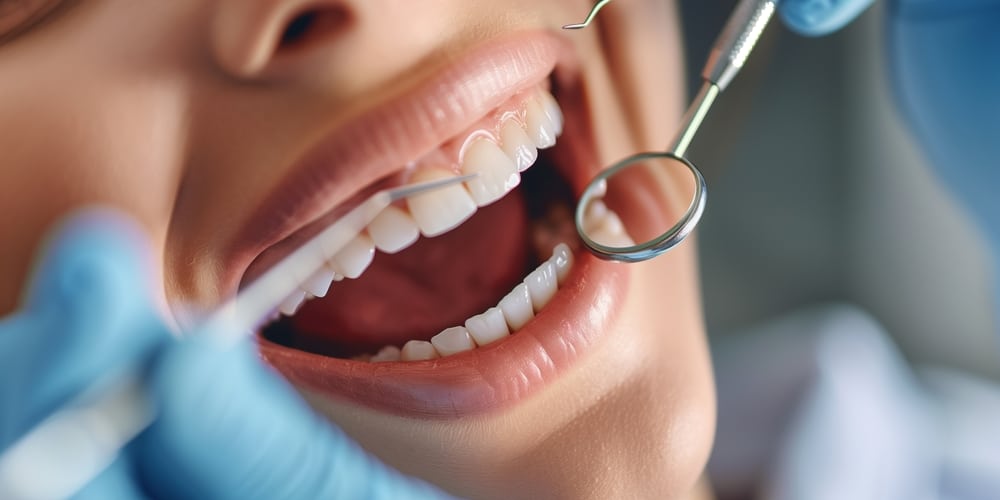
Most people don’t think much about saliva unless they have a dry mouth, but it actually plays a big part in keeping your teeth and gums healthy. Saliva washes away food bits, bacteria, and acids that build up after you eat or drink. The National Institute of Dental and Craniofacial Research says saliva has calcium and phosphate, which help fix early enamel damage before cavities start. It also neutralizes acids from bacteria, lowering the risk of enamel erosion and tooth decay. Joliet dentist, Dr. Morolayo Oluyemi (DMD, MPH, BDS), tells patients that healthy saliva flow is one of the mouth’s natural defenses against oral disease. If saliva production drops because of dehydration, certain medicines, smoking, health conditions, or aging, you might notice more cavities, sensitive teeth, bad breath, or mouth irritation.
Saliva Supports Healthy Gums And Comfortable Mouth Function
Saliva does more than just keep your mouth moist. It also helps keep your gums healthy and makes it easier to speak, chew, swallow, and even taste food. Healthy saliva controls bacteria around the gums, which reduces irritation and lowers the risk of gum disease. The American Dental Association says that if dry mouth isn’t treated, it can lead to serious oral health problems.
People with dry mouth often have trouble swallowing dry foods, feel burning sensations, get cracked lips, notice thick saliva, or experience changes in taste. Dr. Morolayo Oluyemi (DMD, MPH, BDS) checks for signs of low saliva because untreated dryness can cause long-term enamel and gum issues. Drinking water, avoiding tobacco and alcohol, keeping up with oral hygiene, and seeing your dentist regularly can all help keep your saliva healthy and protect your mouth.
Dental Health FAQs
What Causes Dry Mouth?
Dry mouth may develop from medications, dehydration, smoking, diabetes, autoimmune disorders, cancer treatment, or chronic mouth breathing. Many prescription medications used for allergies, blood pressure, anxiety, or depression may reduce saliva flow. A dental examination can help identify possible causes and treatment options.
Can Saliva Really Help Prevent Cavities?
Yes. Saliva neutralizes harmful acids and provides minerals that strengthen enamel after acid exposure. Without enough saliva, bacteria and acids stay on your teeth longer, which raises the risk of cavities and enamel erosion.
What Are Signs Of Low Saliva Production?
Common signs of low saliva are constant dryness, bad breath, more cavities, mouth sores, trouble swallowing dry foods, cracked lips, burning feelings, and changes in taste. Some people also notice more plaque and sensitive teeth.
How Can I Improve Saliva Production Naturally?
Drinking more water, chewing sugar-free gum with xylitol, avoiding alcohol and tobacco, and keeping up with regular dental care can help boost saliva production. Dr. Morolayo Oluyemi (DMD, MPH, BDS) may also suggest certain products or treatments based on how severe your symptoms are.
Contact Our Joliet Dental Clinic For A Dental Examination
If you have dry mouth, more cavities, bad breath, or other oral health issues, Smile League Dental can help find the cause and recommend the right treatment. Contact our Joliet dentist at Smile League Dental at 815-782-6243 to set up your examination and keep your mouth healthy for the long term.

Recent Comments