 Mon to Thur 9am- 6pm and Friday 9am- 8pm; Saturday 9am-3pm.


 smileleaguedental@gmail.com

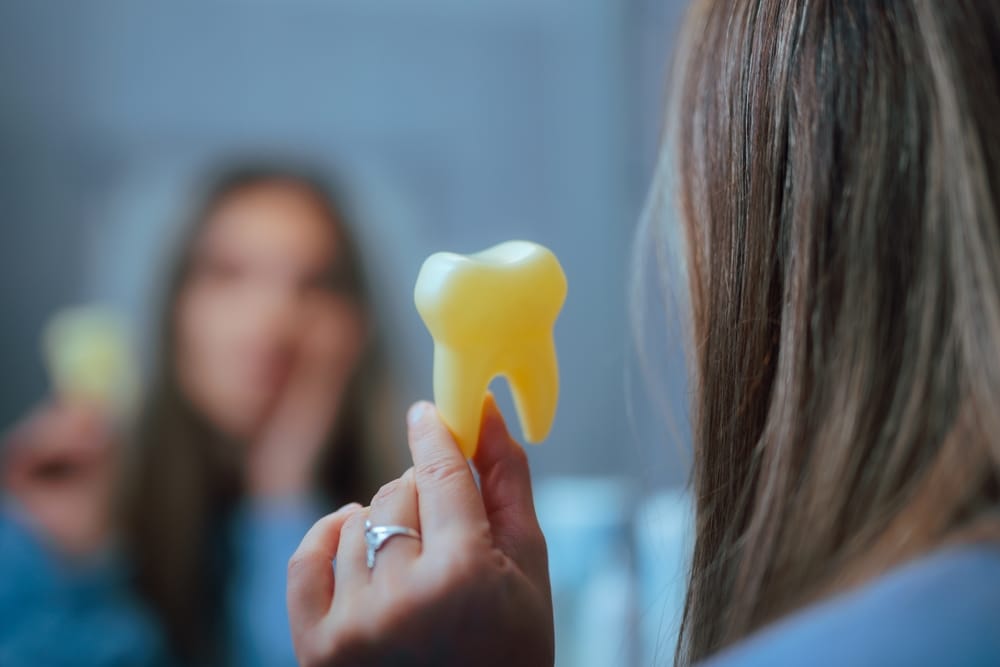
Stress impacts more than mood or sleep; it often manifests in the mouth and jaw in ways patients may not recognize. At Smile League Dental, our dentists in Joliet frequently see jaw tension, tooth sensitivity, headaches, and cracked teeth related to chronic stress. These problems are not always due to poor oral hygiene but are often linked to unconscious habits such as clenching or grinding, known as bruxism.
How Stress Leads To Teeth Grinding And Clenching
The American Dental Association notes that stress-related grinding can occur during sleep or while awake, placing ongoing pressure on teeth and surrounding structures. Over time, this pressure wears down enamel, strains jaw muscles, and may lead to temporomandibular joint disorders (TMJ or TMD). Dr. Morolayo Oluyemi (DMD, MPH, BDS) advises that these patterns often start subtly but can develop into serious conditions if not addressed early.
Constant jaw tension can cause inflammation, restricted movement, and discomfort that interferes with eating and speaking. Chronic stress may also reduce saliva production, raising the risk of cavities and gum disease since saliva protects the oral environment.
Hidden Habits That Affect Oral Health
In addition to grinding and clenching, stress can affect oral health through less obvious habits. Coping behaviors like chewing on objects, biting nails, or eating acidic or sugary foods may lead to enamel erosion and gum irritation over time.
The Link Between Stress And Gum Health
Research from the National Institute of Dental and Craniofacial Research shows that prolonged stress can weaken the immune response, making it harder for the body to control gum inflammation. This increases the risk of periodontal disease, which is linked to broader health concerns.
How Treatment And Prevention Work Together
At Smile League Dental, Dr. Morolayo Oluyemi (DMD, MPH, BDS) emphasizes that managing stress-related dental issues involves both clinical care and identifying underlying triggers. Treatment may include custom night guards, jaw relaxation techniques, and monitoring for early signs of wear or damage.
Why Early Intervention Matters
Patients are often surprised by the relief that simple changes, such as better sleep habits or stress management, can provide. Early intervention is important because once enamel is lost or structural damage occurs, restorative treatment may be needed. Dr. Morolayo Oluyemi (DMD, MPH, BDS) helps patients protect their teeth and jaw before serious complications arise.
Stress Frequently Asked Questions
Can Stress Really Cause Tooth Damage?
Yes, stress can cause habits like grinding or clenching, which put excessive pressure on teeth. Over time, this wears down enamel, causes fractures, and increases sensitivity. Many patients are unaware they grind their teeth, especially during sleep, so regular dental exams are important for early detection.
What Are The Signs Of Stress-Related Jaw Problems?
Common signs include jaw pain, stiffness, clicking or popping sounds, headaches, and difficulty fully opening or closing the mouth. These symptoms may indicate strain on the temporomandibular joint and surrounding muscles. Treatment often includes custom night guards to protect teeth from damage. Dentists may also recommend stress management techniques and monitor changes in the bite or jaw function over time.
Can Stress Affect My Gums?
Yes, stress can weaken the immune system, making it harder for the body to fight bacteria that cause gum inflammation. This increases the risk of gingivitis or advanced periodontal disease.
When Should I See A Dentist About Stress-Related Symptoms?
If you notice persistent jaw pain, tooth sensitivity, or signs of wear, seek evaluation promptly. Early treatment can prevent serious damage and support long-term oral health.
Contact Our Joliet Dental Clinic For An Examination
Contact the Joliet dentist at Smile League Dental at 815-782-6243 to set up your consultation with Dr. Morolayo Oluyemi (DMD, MPH, BDS). Early evaluation can help preserve your natural teeth and support long-term oral health.

Recent Comments