 Mon to Thur 9am- 6pm and Friday 9am- 8pm; Saturday 9am-3pm.


 smileleaguedental@gmail.com

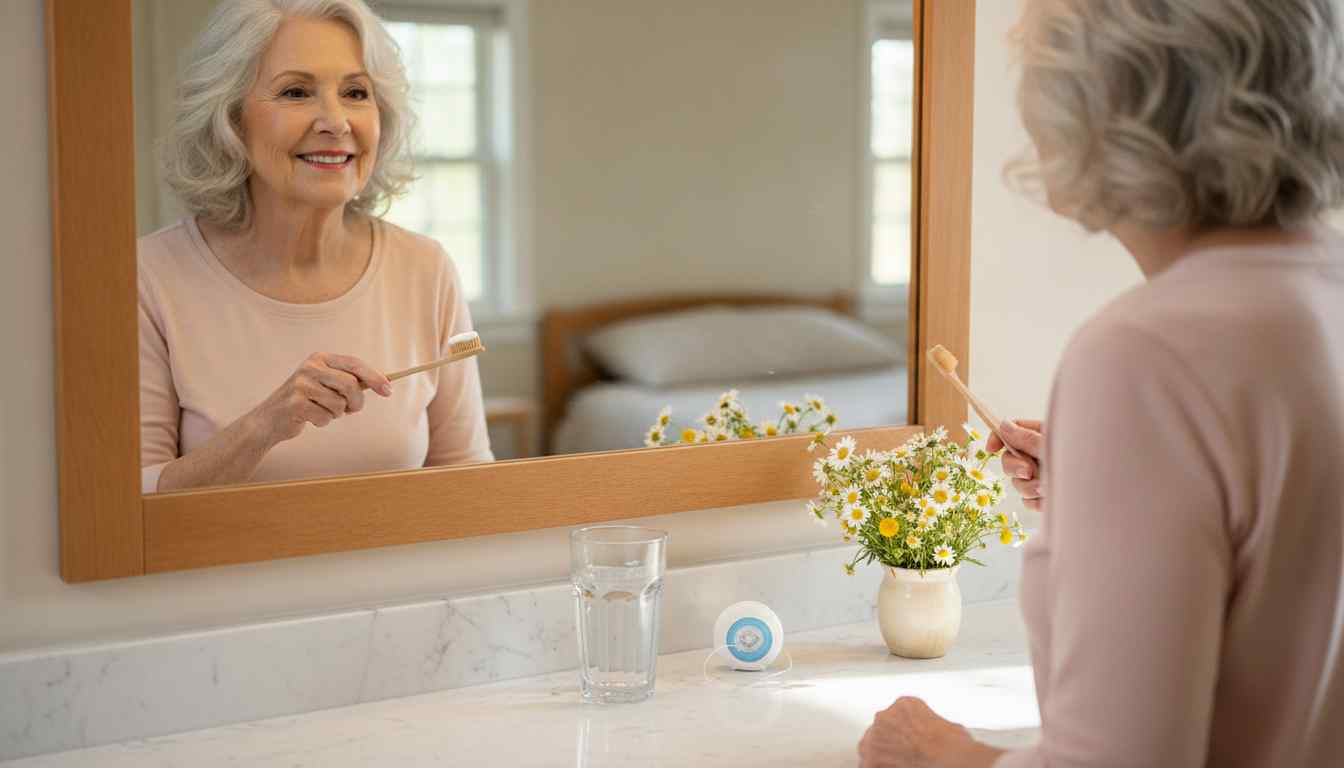
Getting older does not mean you are destined to lose your teeth. Natural teeth can remain healthy and functional for decades when they receive appropriate daily and professional care. What does change is the environment in which your teeth and gums have to function. Gum recession, medications, dry mouth, existing restorations, chronic health conditions, and decades of normal wear can alter your risk for dental problems. The CDC notes that oral health problems can increase with age for reasons that include reduced saliva, receding gums, and physical limitations that make brushing and flossing more difficult.
At Smile League Dental, I want patients to understand that these changes call for more individualized dental care, not resignation to tooth loss. A mouth that remained relatively problem-free at age 40 may require a different preventive strategy at 60 or 70. Medications may change saliva production, older restorations may require attention, and exposed roots can develop decay differently from enamel-covered portions of teeth. Periodontal health also becomes increasingly important because periodontitis is more common among older adults. Dr. Morolayo Oluyemi (DMD MPH BDS) evaluates these factors together rather than treating age itself as the problem.
Dry Mouth Can Change Your Risk For Tooth Decay
Saliva does much more than keep your mouth comfortable. It helps clear food debris, buffers acids, lubricates oral tissues, and contributes to the natural processes that protect tooth surfaces.
Many medications can reduce saliva production. Dry mouth can also be associated with certain medical conditions and treatments.
When saliva becomes limited, your mouth loses some of its natural protection. Cavities may become more likely, and eating, swallowing, or speaking can become uncomfortable. Persistent dry mouth can also contribute to bad breath.
If your mouth frequently feels dry, mention it during your dental visit. I can examine your teeth and oral tissues and discuss practical measures for protecting them.
Gum Recession Can Expose Vulnerable Root Surfaces
Gum recession becomes increasingly relevant as we age because exposed roots differ from the enamel-covered crowns of teeth. The CDC identifies visible tooth roots as a factor associated with increased cavity risk. Recession may also make teeth sensitive to cold, sweets, or brushing.
I look beyond the sensitivity itself. Periodontal disease, brushing technique, tooth position, and other factors can contribute to recession. Understanding the cause helps determine what preventive or restorative care is appropriate.
Periodontal Health Deserves Closer Attention
Periodontitis affects the gum and bone supporting the teeth. According to the CDC, periodontitis becomes more common with age, and about 60% of adults 65 and older had some level of periodontitis in 2009–2014.
Periodontal disease can progress without dramatic pain. Bleeding gums, recession, persistent bad breath, changes between teeth, or tooth mobility can be warning signs.
Routine periodontal assessment allows me to identify changes and determine whether preventive cleaning is sufficient or periodontal treatment is needed.
Older Fillings And Crowns Need Continued Evaluation
Restorations are exposed to years of biting, chewing, temperature changes, and sometimes grinding or clenching. A filling can wear or fracture. A crown can chip or develop problems around its margin. Decay can also occur in natural tooth structure adjacent to an existing restoration. This does not mean older dental work automatically needs replacement. I prefer to evaluate each restoration based on its current condition rather than its age alone.
Changes In Health Can Affect Your Mouth
Your medical and dental health do not exist independently. Diabetes, arthritis, and other chronic conditions may influence oral health or make daily dental care more difficult. The CDC also reports that adults with certain chronic diseases have an increased risk of missing teeth and poor oral health.
Medication lists therefore matter during dental visits. Dr. Morolayo Oluyemi (DMD MPH BDS) considers changes in health and medications when assessing new dryness, gum problems, decay patterns, or other oral changes.
Maintaining Dexterity Matters For Home Care
Sometimes the challenge is not knowing how to brush or floss. It is physically doing it. Arthritis, reduced grip strength, tremors, vision changes, and other limitations can make detailed oral hygiene more difficult. Areas that were once easy to clean may begin accumulating plaque.
An electric toothbrush, interdental brushes, floss holders, or other aids may make daily care easier. The right method is the one that cleans effectively and that you can realistically use every day.
Tooth Loss Is Not An Inevitable Part Of Aging
The CDC identifies cavities and periodontal disease as leading causes of tooth loss and emphasizes that tooth loss is largely preventable through oral hygiene, self-care, and professional dental care.
That distinction matters. Age can change your risk profile, but your birth date does not determine whether you keep your natural teeth.
Preventive visits allow me to monitor decay, periodontal health, recession, restorations, tooth wear, and changes in your ability to maintain your teeth at home. When problems are identified, treatment can be tailored to what your mouth needs now.
Protect Your Oral Health At Smile League Dental
Aging changes your dental needs, but it does not eliminate your ability to maintain a healthy and functional smile. At Smile League Dental, I focus on identifying changes early and helping patients adapt their preventive care as their dental and medical needs evolve.
Dr. Morolayo Oluyemi (DMD MPH BDS) welcomes patients who want thoughtful, individualized dental care at every stage of adulthood. Contact our Joliet dental office at Smile League Dental by calling 815-782-6243 to set up your consultation with Dr. Morolayo Oluyemi (DMD, MPH, BDS).

Recent Comments