Dental Implants in Illinois: Everything You Need to Know
Dental implants have become the gold standard for replacing missing teeth because they offer long-lasting results, improved oral health, and a natural appearance. Whether you live in Chicago, Naperville, or elsewhere in Illinois, understanding how dental implants work, their benefits, expected costs, treatment process, and what to consider before undergoing treatment will help you make an informed decision about your smile and oral health.
What Are Dental Implants?
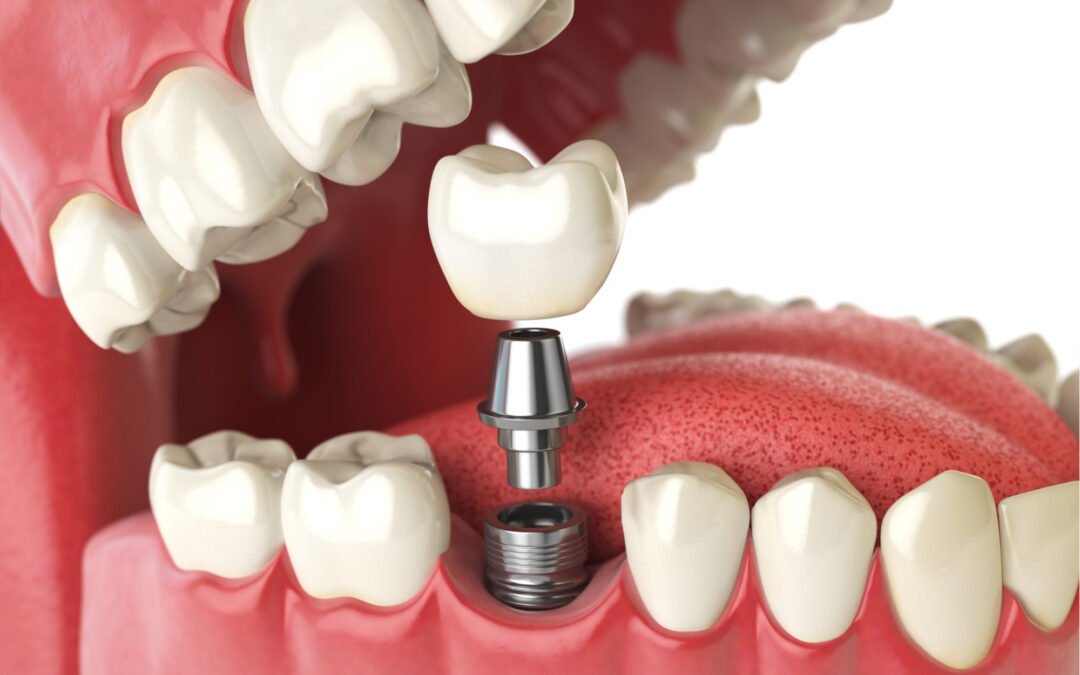
Dental implants are surgically placed tooth roots made of biocompatible materials—most commonly titanium—that are anchored into the jawbone to support one or more artificial teeth. Unlike traditional dentures or bridges, implants are fixed into the bone and function much like natural teeth. Implants typically consist of three main components: the implant fixture, the abutment, and the final prosthetic crown, bridge, or denture.
According to the U.S. Food and Drug Administration (FDA), dental implants are medical devices designed to restore chewing ability, appearance, and oral health after tooth loss. They help preserve bone and prevent bone loss that can occur when teeth are missing.
Why Choose Dental Implants? Key Benefits
Dental implants offer several advantages over other tooth-replacement options:
Natural Look and Function
Implants are designed to look and feel like real teeth. Because the implant fuses with the jawbone through osseointegration, it provides strong support for chewing, speaking, and smiling without worrying about slipping or shifting.
Bone Preservation
Bone loss occurs after tooth extraction or loss. Implants help stimulate the jawbone, reducing bone resorption and preserving natural facial structure.
Durability and Longevity
With proper care, dental implants can last decades or a lifetime. They are typically more durable than traditional dentures or bridges.
Improved Oral Health
Unlike fixed bridges, implants don’t require reducing adjacent teeth, which helps preserve your natural tooth structure.
Dental Implant Options in Illinois
Illinois patients have access to multiple implant solutions depending on their needs:
Single Tooth Implants
Used when one tooth is missing. A titanium implant is placed into the jaw and topped with a custom crown.
Multiple Implants
Implants can replace several adjacent missing teeth without affecting surrounding healthy teeth.
All-on-4 and Full Arch Solutions
For full mouth replacements, options such as “All-on-4” use four strategically placed implants to support an entire arch of teeth. The All-on-4 technique has become popular because it offers strong support with fewer implants than traditional full-mouth restorations.
Implant-Supported Dentures
These are removable or fixed dentures anchored by implants, offering better stability than traditional dentures.
Dental Implant Procedure: What to Expect
1. Initial Consultation
Your dentist will perform a comprehensive dental exam, including X-rays and 3D imaging, to assess bone health and plan the implant placement.
2. Preparatory Treatments
Some patients require additional treatments such as bone grafting or sinus lifts before implants can be placed. These procedures help create a stable foundation for the implant.
3. Implant Placement Surgery
During a minor surgical procedure, the implant post is placed into the jawbone. The area is then given time to heal—typically a period of three to six months—to allow osseointegration.
4. Abutment and Crown Placement
Once the implant integrates with the bone, an abutment and then a custom crown or prosthesis are attached.
5. Follow-Up and Maintenance
Regular dental check-ups and daily oral care help ensure long-term success.
Cost of Dental Implants in Illinois
Costs for dental implants in Illinois vary based on the number of implants, materials, additional procedures, and whether advanced techniques are used:
Single Tooth Implant
Typical range: ~$3,000 to $6,000 per implant (implant post, abutment, and crown).
Full Arch or Multiple Implants
Full arch restorations or multiple implants can range significantly higher—sometimes $20,000 to $50,000+—depending on the complexity and method used.
Additional Procedures
Bone grafting, sinus lifts, and other preparatory surgeries may increase total costs.
Insurance & Financing
Most dental insurance plans do not fully cover implants, since they are often classified as elective procedures. However, some plans may cover parts of the treatment, such as the crown or extractions. Patients sometimes use HSAs, FSAs, or third-party financing to manage costs.
Factors Affecting Dental Implant Costs
Several elements influence pricing:
Type of implant and material
Clinic location (e.g., Chicago typically has higher costs than smaller Illinois towns)
Dentist or specialist experience
Number of implants
Need for preparatory treatments
Digital planning and guided surgery equipment
Are You a Candidate for Dental Implants?
Ideal candidates for dental implants typically have:
Good overall oral health
Adequate jawbone density
Healthy gums
Even if a patient has experienced bone loss, bone grafting can often address this. A professional consultation with an experienced implant dentist is essential to determine candidacy.UIC College of Dentistry
Benefits of Dental Implants Compared to Other Options
Compared to teeth replacement alternatives like dentures or bridges, implants offer durability and superior function. While dentures may cost less initially, they often require replacement or adjustment over time. Bridges require altering adjacent teeth, which implants do not. Over many years, implants can be a cost-effective investment.
Risks and Considerations
As with any surgical procedure, dental implants come with potential risks:
Infection
Nerve damage
Implant failure
Smoking and certain medical conditions can affect healing and success rates. Discussing your full medical history with your dentist is important to minimize risk.
Illinois Specific Considerations
Residents of Illinois—especially in urban areas like Chicago, Naperville, Springfield, or Peoria—have access to a wide range of dental implant specialists, including prosthodontists, oral surgeons, and general dentists trained in implantology. Beginning with a consultation at a reputable practice ensures personalized treatment planning and realistic expectations.
Care and Maintenance After Implant Placement
To maintain implants:
Brush and floss daily
Attend regular dental checkups
Avoid tobacco use
Protect against teeth grinding
With proper care, dental implants can remain functional for decades.
Frequently Asked Questions About Dental Implants in Illinois
Dental implants are one of the most advanced and reliable solutions for replacing missing teeth. Patients across Illinois—from Chicago to suburban and downstate communities—choose dental implants for their durability, natural appearance, and long-term oral health benefits. Below are answers to some of the most frequently asked questions about dental implants.
What Are Dental Implants?
Dental implants are artificial tooth roots made of biocompatible materials, typically titanium. They are surgically placed into the jawbone to support a crown, bridge, or denture. Over time, the implant fuses with the bone through a process called osseointegration, creating a strong and stable foundation for replacement teeth.
Who Is a Good Candidate for Dental Implants?
Most adults with one or more missing teeth are candidates for dental implants. Ideal candidates generally have healthy gums, sufficient jawbone density, and good overall oral health. Patients with bone loss may still qualify for procedures such as bone grafting. A dental evaluation is necessary to determine eligibility.
How Long Do Dental Implants Last?
With proper care, dental implants can last decades or even a lifetime. Regular dental checkups, good oral hygiene, and avoiding habits such as smoking or teeth grinding can significantly extend the lifespan of implants. The crown attached to the implant may need replacement over time due to normal wear.
Are Dental Implants Painful?
Dental implant procedures are typically performed under local anesthesia, and some patients may also receive sedation. Most patients report minimal discomfort during the procedure and manageable soreness afterward, similar to a tooth extraction. Post-operative pain is usually controlled with over-the-counter or prescribed medication.
How Long Does the Dental Implant Process Take?
The dental implant process can take several months from start to finish. After the implant is placed, a healing period of three to six months allows the implant to fuse with the jawbone. Once healing is complete, the final crown or restoration is attached. Some patients may qualify for same-day or immediate-load implants.
Are Dental Implants Covered by Insurance in Illinois?
Coverage for dental implants varies depending on the insurance plan. Some Illinois dental insurance policies cover portions of the procedure, such as the crown or surgical placement, while others may not. Many dental practices offer financing options to help make implants more affordable.
How Do Dental Implants Compare to Dentures or Bridges?
Dental implants offer several advantages over traditional dentures and bridges. Unlike dentures, implants do not slip or require adhesives. Unlike bridges, implants do not rely on adjacent teeth for support. Implants also help preserve jawbone structure, preventing bone loss that commonly occurs after tooth loss.
What Is the Success Rate of Dental Implants?
Dental implants have a high success rate, often exceeding 95% when placed by experienced dental professionals. Success depends on factors such as oral health, bone quality, lifestyle habits, and adherence to aftercare instructions.
How Do I Care for Dental Implants?
Caring for dental implants is similar to caring for natural teeth. Patients should brush twice daily, floss regularly, and attend routine dental visits. Maintaining good oral hygiene helps prevent gum disease and ensures the long-term success of implants.
Contact The Joliet Dental Implant Professionals At Smile League
Dental implants are a trusted and effective tooth replacement option for patients throughout Illinois. By restoring function, appearance, and confidence, implants can significantly improve quality of life. A consultation with an experienced dental professional is the best way to determine whether dental implants are right for you.
At Smile League Dental, we are committed to serving individuals and families with the best dental procedures in Illinois. This includes children, adults, and elderly clients. Our clinic is located just two minutes from the Louis Joliet Mall – between Joliet, Plainfield, Crest Hill, and Aurora. We provide excellent diagnostic assessments and cosmetic and preventive dental services in these areas, as well as the wider Chicago area. Book an appointment today by calling 815-782-6243 and take charge of your oral health.
Activated charcoal has been touted as a teeth whitening solution by toothpaste companies for years. But does it really offer lasting results or are the benefits it offers only myths? In order to understand that, we need to deep dive into this ‘miraculous’ solution.
What Is Activated Charcoal?
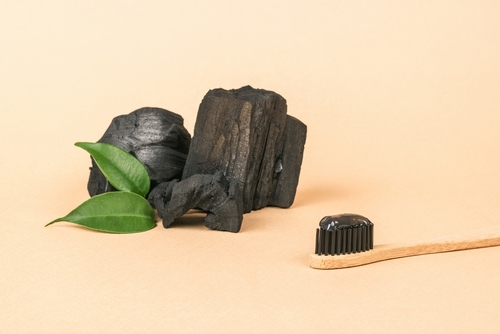
Activated charcoal is a fine powder or mixture comprise of peat, coal, sawdust, coconut shells or olive pits. It’s called ‘activated’ because it is treated to high temperatures, which alter its internal structure. The process significantly reduces its pores, which results in a larger surface area.
This charcoal is NOT to be confused with the charcoal used in traditional outdoor barbecues. Those are briquettes, the only difference being they are not activated at high temperatures and contain substances, which can be toxic if ingested.
What does Activated Charcoal do for Teeth?
Activated charcoal is super absorbent and it can allegedly detox your mouth. When applied, it sticks to tartar, leftover food, bacteria and stains and takes them with it when it is removed. The result should be a cleaner mouth and whiter teeth, right?
However, there is no scientific evidence proving what those toothpaste commercials promote. There is no proof, for instance, that activated charcoal effects stains below the enamel or can naturally whiten teeth.
Here are some facts about this charcoal:
It is too abrasive for everyday use and can wear down enamel with time. This can expose the dentin, which can make your teeth more sensitive and look yellow in appearance.
Many charcoal toothpastes do not contain fluoride, a substance that is essential when it comes to strengthening tooth enamel. Weak enamel can invite cavities and decay and if you use abrasive activated charcoal toothpaste, you will make the damage worse.
It can stain teeth as particles accumulate in crevices and cracks, thus defeating its alleged purpose.
Since there is no scientific data suggesting activated charcoal is beneficial for teeth whitening, no product that contains it has the American Dental Association’s Seal of Acceptance. However, despite this, consumers still fall victim to advertising and use these products to their detriment.
If you must use it, use your fingers rather than your toothbrush to apply it to your teeth in order to reduce damage and don’t swallow it, otherwise it can result in an upset stomach. Additionally, activated charcoal products are not approved by the Food and Drug Administration and are considered unsafe for pregnant/breastfeeding women and children.
Book an Appointment with Us Today!
Whether you use charcoal-based dental products or something else, you should get your teeth checked regularly to keep them strong and healthy. That is the best way to prevent cavities and infections, which may worsen if you have an underlying condition. Smile League Dental takes walk-in appointments as well so we can provide care to the most vulnerable patients when needed. The longer you delay, the worse your teeth will get. Get in touch with us for an appointment today.
Frequently Asked Questions About Activated Charcoal for Teeth
Activated charcoal has become a popular ingredient in whitening toothpastes, powders, and oral care products. Marketed as a natural way to brighten smiles, it has gained attention on social media and in dental aisles alike. However, many patients still have questions about how it works, whether it is safe, and if it delivers lasting results. The following frequently asked questions address the most common concerns about activated charcoal for teeth.
What Is Activated Charcoal?
Activated charcoal is a form of carbon that has been treated to increase its surface area and porosity. This process allows it to bind to substances such as toxins, chemicals, and pigments. In dentistry, activated charcoal is used primarily for its ability to absorb surface stains on teeth caused by coffee, tea, wine, or tobacco.
Does Activated Charcoal Actually Whiten Teeth?
Activated charcoal can remove some extrinsic (surface-level) stains, which may make teeth appear whiter temporarily. However, it does not change the natural color of tooth enamel or remove intrinsic stains that occur beneath the enamel. As a result, its whitening effect is generally limited compared to professional teeth whitening treatments performed by a dentist.
Is Activated Charcoal Safe for Teeth?
Safety depends on how often and how aggressively it is used. Activated charcoal is abrasive, and frequent use can wear down tooth enamel over time. Once enamel is damaged, it cannot regenerate, which may lead to increased tooth sensitivity and a higher risk of decay. Dentists typically recommend using charcoal-based products sparingly and only as directed.
Can Activated Charcoal Damage Tooth Enamel?
Yes, excessive or improper use may damage enamel. Many charcoal powders and toothpastes have higher abrasivity than traditional fluoride toothpaste. Daily brushing with highly abrasive products can gradually thin enamel, exposing the underlying dentin and causing teeth to appear more yellow rather than whiter.
Does Activated Charcoal Replace Regular Toothpaste?
No. Most activated charcoal products do not contain fluoride, which is essential for strengthening enamel and preventing cavities. Activated charcoal should not replace fluoride toothpaste in a daily oral hygiene routine. If used at all, it should be considered a supplemental product rather than a primary one.
Does Activated Charcoal Help With Bad Breath?
Activated charcoal may temporarily reduce bad breath by absorbing odor-causing compounds in the mouth. However, it does not address the underlying causes of halitosis, such as gum disease, cavities, or dry mouth. Persistent bad breath should be evaluated by a dental professional.
How Often Can You Use Activated Charcoal on Teeth?
Most dental professionals recommend limiting use to once or twice per week, if at all. Using it more frequently increases the risk of enamel wear. Patients with thin enamel, sensitive teeth, or existing dental restorations should consult a dentist before using charcoal-based products.
Is Activated Charcoal Safe for Dental Work Like Crowns or Veneers?
Activated charcoal will not whiten crowns, veneers, fillings, or bonding materials. Additionally, its abrasiveness may scratch the surface of restorations, causing them to look dull or collect stains more easily. Individuals with cosmetic dental work should exercise caution and seek professional guidance.
Is Activated Charcoal Suitable for Everyone?
Activated charcoal is not recommended for children, individuals with enamel erosion, or patients with active gum disease. People with braces or orthodontic appliances may also find charcoal powders difficult to use effectively and safely.
Are There Better Alternatives to Activated Charcoal for Whitening?
Professional teeth whitening treatments and dentist-recommended whitening products are generally safer and more effective. These options are designed to minimize enamel damage while providing more predictable and longer-lasting results.
Should You Talk to a Dentist Before Using Activated Charcoal?
Yes. A dentist can assess your oral health, determine the cause of tooth discoloration, and recommend safe whitening options tailored to your needs. What works for one patient may not be appropriate for another.
Finding a dentist nearby who accepts Illinois Medicaid can feel overwhelming, especially if you’re new to the Medicaid program or haven’t seen a dentist in a while. Illinois Medicaid does provide dental benefits for children, teenagers, and adults, but not every dental office accepts Medicaid patients. The good news is that with the right tools and a clear plan, you can locate a qualified dentist near you who participates in the Illinois Medicaid program and provides the services you need.
This comprehensive guide walks you through every reliable method to find a Medicaid dentist, how to verify coverage, what to expect from your benefits, and how to avoid common issues during the search process.
Understand Your Illinois Medicaid Dental Coverage
Before you begin your search, it helps to understand what Illinois Medicaid covers. Dental benefits may vary slightly depending on whether you are enrolled in Traditional Medicaid or a Managed Care Organization (MCO).
Adult Dental Benefits
Illinois Medicaid for adults generally covers:
Exams and cleanings
Fillings
Tooth extractions
Limited periodontal care
Dentures (in many cases)
Emergency dental treatment
Children’s Dental Benefits
Under the EPSDT requirement (Early and Periodic Screening, Diagnostic, and Treatment), children receive comprehensive benefits including:
Cleanings, exams, and fluoride
Sealants
X-rays
Fillings
Orthodontics, when medically necessary
Emergency and restorative care
Knowing exactly what is covered helps you search for a dentist who provides the services your family needs.
Use the Illinois Medicaid Provider Directory
The Illinois Department of Healthcare and Family Services (HFS) provides a searchable Medicaid provider directory that lists participating dentists by:
ZIP code
County
Provider type
Distance
You can access the directory here: Illinois HFS Provider Search: https://www.illinois.gov/hfs
Once on the site, choose “Dental Services” and then enter your ZIP code or county. This tool is one of the most accurate ways to find active Medicaid dental providers.
Check Your Managed Care Plan’s Provider Network
Most Illinois Medicaid recipients are enrolled in a Managed Care Organization (MCO) rather than Traditional Medicaid. Each MCO has its own network of dentists.
Major Illinois Medicaid MCOs include:
Blue Cross Community Health Plans
Meridian Health Plan
Molina Healthcare
CountyCare (Cook County)
Aetna Better Health of Illinois
YouthCare (for DCFS youth)
Each plan offers an online “Find a Provider” tool. Search for dental specialists using your ZIP code.
Once you know your plan, visit the MCO website and ensure the dentist you choose is in-network.
Call Local Dental Offices Directly
Sometimes, provider directories are outdated. That’s why calling offices directly is often the most reliable way to confirm participation.
When calling, ask:
“Do you accept Illinois Medicaid for dental services?”
“Do you accept my specific plan (e.g., Meridian, Molina)?”
“Are you accepting new Medicaid patients right now?”
Some offices accept Medicaid for children but not adults. Ask for clarification if booking an appointment for an adult.
Use Federally Qualified Health Centers (FQHCs)
Federally Qualified Health Centers offer dental services on a sliding scale and accept Illinois Medicaid. They exist in nearly every region of the state—Chicago, Rockford, Peoria, Springfield, the Metro East, and rural counties.
Benefits of FQHC dental clinics include:
Guaranteed acceptance of Medicaid
Lower out-of-pocket costs if uncovered services are needed
Preventive, restorative, and emergency dental care
Enter your ZIP code to get a list of nearby clinics.
Contact the Illinois Dental Society
The Illinois State Dental Society (ISDS) offers resources to help connect patients with dentists. While not all listed providers accept Medicaid, many community dentists do.
Use their “Find a Dentist” feature, then call offices to confirm Medicaid acceptance.
Look for Dental Schools in Illinois
Dental schools and dental hygiene schools often provide low-cost care and accept Medicaid. They are an excellent option if you have trouble finding a private dentist who takes new patients.
In Illinois, the main dental teaching institutions include:
SIU also provides comprehensive Medicaid-friendly dental care.
Because dental schools often have high demand, be prepared for longer appointment times—but receive high-quality care at much lower costs.
Ask for Referrals from Community Organizations
Medicaid-friendly dentistry is often supported through community programs. You can get referrals from:
Local health departments
Social service agencies
Hospitals and clinics
Community centers
WIC offices
School-based health programs
These organizations routinely help families navigate Medicaid dental access and can provide up-to-date information about dentists accepting new patients.
Use Online Search Tools Carefully
You can Google “dentist near me who accepts Illinois Medicaid,” but be cautious. Many results are advertisements rather than verified Medicaid providers. Always double-check coverage before scheduling.
Tips:
Look for dentists listed on both Google and your MCO’s directory
Read reviews to verify patient experiences
Call to confirm Medicaid acceptance
Online reviews help you avoid offices with long wait times or limited appointment availability.
How To Verify a Dentist Accepts Medicaid
Before your appointment, always confirm:
The dentist accepts Illinois Medicaid
They accept your exact plan (Molina, Meridian, etc.)
Which dental services are fully covered
Whether there will be copayments
Whether the dentist is accepting new Medicaid patients
Policies change frequently, so verification prevents surprise costs.
What To Bring to Your Appointment
To avoid delays, bring:
Your Medicaid card or MCO card
A valid state ID
Any medical records or X-rays
Medication list
A parent or guardian if the patient is a minor
Most offices require proof of insurance at each visit.
Many Joliet general dentist offices (including ours here at Smile League) accept Medicaid — the easiest way is simply to call and ask. Alternatively, you can search for the phrase “dentist near me that accepts Medicaid” in a search engine, such as Google.
Searching the internet works better than you might expect for this. That’s because most dentists publish the fact that they accept Medicaid.
If you are enrolled in a managed care plan, check your membership card. There should be a phone number on the back that you can call to get a list of dentists in your area who accept Medicaid.
DentaQuest
DentaQuest is recommended by the Illinois Department of Healthcare and Family Services for people who are enrolled in Medicare but do not have a managed care plan. DentaQuest works if you want a broad range of possible options.
Keep in mind that DentaQuest might update its interface at any time. If you need help, feel free to contact us here at Smile League or ask for advice the next time you come in for an appointment.
Searching the DentaQuest Database
There are a number of ways to access the information, but the easiest way is typically to enter “DentaQuest” on Google or navigate to DentaQuest.com and use the main website’s search wizard.
Once you have found the official website, you’re ready to start searching. Currently, if you are using a laptop or desktop computer, you should find the option to “Find A Provider” in the upper-right-hand corner of the website’s front page. If you are using a mobile device, such as a tablet or a cell phone, you will probably have to select the menu in the upper left to find this option.
You should be prompted to select the option for Medicare/Medicaid. You’ll then get a list of the different states.
Once you select Illinois, you’ll see an option to select the type of plan you have. After you select the right category, you’ll finally be able to enter your ZIP code and search for dentists who provide the types of services you need. DentaQuest is a bit of work, but there are some advantages:
You can search by dental specialty
Dentists can indicate whether they are accepting new patients
Each office provides a list of plans that it accepts
Pick Up the Phone
As you can see, you need to have a lot of information at your fingertips to use DentaQuest. Additionally, once you find a list of providers, you will still need to call in order to confirm that they do accept your specific plan.
Unless you need the advanced information in DentaQuest, we would generally recommend that you just call dentists you find on online directories such as Google Maps. The benefit of this approach is that you can read reviews and contact the dentist without going through a complex search process. Of course, you can also feel free to contact us here at Smile League at 815-782-6243.
As one of the better states for dental care in the country, Illinois Medicaid covers a range of dental procedures for kids and adults. However, the best way to know for sure is simply to ask your dentist (or your plan provider) about coverage. Smile League is here for you — we’ll do everything we can to help you get access to the dental care that you and yours need. Our Joliet family dental practice has plenty of experience with a wide range of insurance, Medicaid plan managers, and standard Illinois Medicaid. We even have some interest-free financing options for things that aren’t covered.
Understanding Illinois Medicaid
Illinois Medicaid can be confusing, even if you have had it for a while. Some people avoid going to the dentist just because they’re not sure if they have coverage. Especially for kids, most of the things you need are covered. Others have different ways to pay that you can probably afford. Our team is here to help you — our Joliet neighbors — figure out how to get the care you need for you and your family.
You’ll find a long list on our website of all the Medicaid versions our office handles. If you don’t want to read through it, that’s fine too. All we will need is your credentials, and we can confirm everything before we get started. You can even contact us to confirm coverage beforehand if you’re somewhere else in Chicagoland — or if you just don’t have time to stop by. The whole process should only take a few minutes, and then you’ll know.
Dental Procedures Covered By Illinois Medicaid
Illinois Medicaid offers a comprehensive range of dental procedures, particularly for children and medically necessary care for adults. The specific coverage can vary significantly based on factors such as the recipient’s age, dental condition, and the type of Medicaid plan they are enrolled in. Dental benefits are administered through both fee-for-service and managed care models, with major providers including DentaQuest and Blue Cross Community Health Plans. Coverage is more extensive for children and pregnant individuals, while adult benefits tend to be more limited unless there is a clear medical necessity.
Dental Coverage for Children and Young Adults
Under Illinois Medicaid, children and young adults under the age of 21 are entitled to comprehensive dental coverage as part of the federally mandated Early and Periodic Screening, Diagnostic, and Treatment (EPSDT) program. This program ensures that eligible children receive necessary dental services that promote long-term oral health. The services covered for this age group include, but are not limited to:
Preventive Care – Routine dental exams, teeth cleanings, application of fluoride treatments, and dental sealants designed to prevent cavities.
Diagnostic Services – Essential services such as X-rays to assess dental health, as well as thorough oral evaluations to identify any issues early.
Restorative Care – Treatments including dental fillings to repair cavities, crowns to restore the shape of damaged teeth, and root canals to treat infected tooth roots.
Oral Surgery – Procedures such as extractions and minor surgical interventions that may be necessary for dental health.
Orthodontics – Coverage for braces is available if they are determined to be medically necessary, such as in cases of severe malocclusion (misalignment of teeth).
Children who are enrolled in the Illinois All Kids program or other Medicaid plans can access these services with minimal out-of-pocket costs, especially when they choose in-network dental providers.
Adult Dental Coverage
Adults aged 21 and older under Illinois Medicaid are eligible for basic dental services, but the coverage provided is more limited compared to that for children. Typically, Illinois Medicaid covers the following for adults:
Preventive Care – Routine dental exams and cleanings, usually limited to two visits per year, aimed at maintaining oral health and preventing further issues.
Diagnostic Services – Necessary services such as X-rays and oral evaluations to identify and diagnose dental problems.
Restorative Care – Standard treatments such as dental fillings and limited coverage for crowns that restore tooth function.
Extractions – This includes both simple and surgical removal of teeth that are damaged or problematic.
Dentures and Partials – Coverage is available for full and partial dentures, but prior authorization is generally required.
Notably, more complex procedures like root canals, periodontal treatments, and dental implants are typically not covered unless they are deemed medically necessary. For instance, if a patient struggles to wear dentures due to significant bone loss or other oral deformities, implants may be considered—provided that sufficient medical documentation is submitted for approval.
Enhanced Coverage for Pregnant Individuals Illinois Medicaid recognizes the crucial link between dental health and pregnancy outcomes, offering enhanced dental benefits specifically for pregnant individuals. The expanded coverage may include services such as:
More Frequent Cleanings – Pregnant women can receive dental cleanings at increased intervals throughout their pregnancy to maintain oral health.
Periodontal Evaluations and Treatment – Comprehensive assessments of gum health are essential during pregnancy, and appropriate treatments are covered.
Emergency Dental Care – Pregnant individuals have access to emergency dental services, ensuring that urgent dental issues can be addressed promptly.
These benefits are not only available throughout the duration of the pregnancy but extend for 60 days postpartum, further supporting the health of new mothers during their recovery period.
What Constitutes “Medically Necessary” Dental Care?
In certain circumstances, Illinois Medicaid may approve dental procedures that are not typically covered, provided that they are classified as medically necessary. Examples of such situations include:
Dental Care Required Prior to Organ Transplants or Cancer Treatments – Dental health is crucial for patients undergoing major medical procedures, and necessary treatments may be covered.
Procedures Needed to Treat Infection, Pain, or Nutritional Impairment – This category includes interventions to address severe dental issues that might affect overall health and well-being.
Oral Surgery for Trauma or Congenital Conditions – Necessary surgeries to correct congenital dental anomalies or to treat trauma-related injuries may be covered.
To have these procedures considered, dental providers must thoroughly document the medical necessity and submit prior authorization requests to the Illinois Department of Healthcare and Family Services (HFS) or the managed care organization overseeing the patient’s plan.
How to Access Covered Dental Services
For Illinois Medicaid recipients seeking to utilize their dental benefits, the following steps are recommended:
Choose a Medicaid Dental Plan – Select from available options like Aetna Better Health, Molina, or BCBSIL.
Find an In-Network Dentist – Use your plan’s provider directory to locate a participating dentist.
Schedule Preventive Visits – Regular dental visits are essential not only for oral health maintenance but also for maintaining eligibility for enhanced services.
Request Prior Authorization – For complex treatments such as dentures or oral surgeries, ensure that proper prior authorization is obtained to avoid unexpected costs.
While a referral from a primary care provider is not required to see a dentist, it’s important to be aware that some advanced services may necessitate pre-approval.
Tips for Maximizing Your Dental Benefits
To make the most of your Illinois Medicaid dental coverage, consider these practical tips:
Keep Contact Information Updated – Ensure your Medicaid plan has your most current contact details to avoid communication issues.
Attend Regular Cleanings and Exams – Consistent visits help in preventing dental complications that could lead to more extensive treatments.
Discuss Coverage with Your Dentist – Before undergoing treatment, ask your dentist to clarify what procedures are covered under your plan, as this can help avoid unexpected expenses.
Utilize Online Portals – Platforms like DentaQuest provide easy access to manage your appointments and benefits, which can streamline your experience.
Illinois Medicaid offers a robust package of dental coverage for children, while adults receive essential but limited services. Medically necessary procedures may be approved with adequate documentation, and pregnant individuals benefit from expanded services. Understanding the specifics of your plan, alongside proactive communication with healthcare providers, ensures that you receive the necessary dental care while maximizing your benefits.
Get Some Personal Advice on Illinois Medicaid Dental Coverage
When it comes to dental procedures, we are talking about a very personal thing. This is your set of teeth, and any work you do should fit your personal needs. An appropriate procedure for someone else might not be the right one for you. If you’re ready to get started, please come by for a consultation. We’ll help you understand your options — both in terms of treatment and in terms of getting the most out of your Illinois Medicaid coverage.
Contact Smile League Dental to discuss our dental implant service in Joliet at 815-782-6243 and take the next step toward your dream smile. We also serve the communities of Bolingbrook, Crest Hill, Lockport, New Lenox, Shorewood, Elwood, Romeoville, Homer Glen, Plainfield, and, Channahon
You may have seen ads or social media posts claiming that charcoal in toothpaste and toothbrushes can help achieve a brighter and healthier smile. But is charcoal truly good for your teeth? Let’s take a close look at charcoal in dental products and separate fact from fiction.
Pros of Charcoal Dental Products
Potential Surface Stain Removal
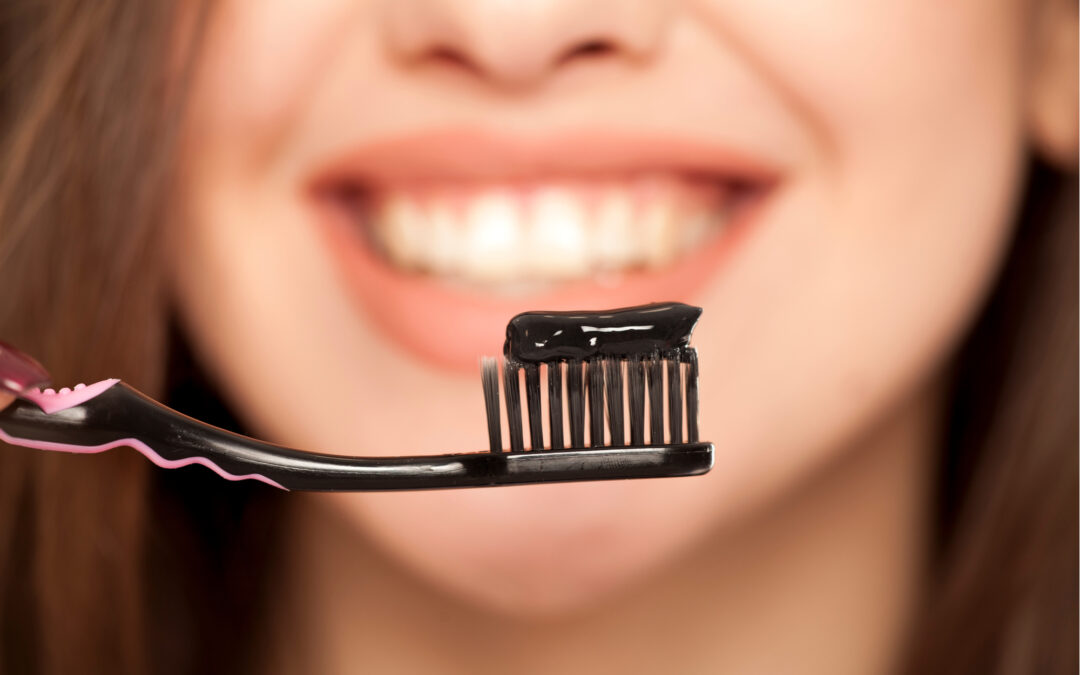
Charcoal has adsorbent properties, which means it can bind to certain compounds, including surface stains on teeth. This can help remove superficial stains and provide a temporary improvement in tooth color.
Freshening Effects
Activated charcoal has a porous structure with a large surface area. This gives it a unique ability to draw in food particles and other harmful substances from the mouth, leading to fresher breath. Additionally, the grainy texture of charcoal toothpaste may provide a mild exfoliating effect, leaving your teeth feeling cleaner and smoother.
Cons of Charcoal Dental Products
Abrasive Cleaning
Charcoal dental products tend to be gritty and coarse. While a certain level of abrasiveness is necessary for effective cleaning, excessive abrasion can damage tooth enamel over time, leading to increased tooth sensitivity and potential enamel erosion.
Lack of Fluoride
Many charcoal toothpaste options do not contain fluoride, a vital component in preventing tooth decay. Fluoride strengthens tooth enamel and helps protect against cavities. Therefore, relying solely on charcoal dental products may leave your teeth more susceptible to decay and other problems.
Unproven Long-Term Effects
Despite claims of its benefits, the long-term effects of charcoal dental products remain uncertain. Limited scientific research exists to support the claims made by manufacturers, and the potential risks associated with prolonged and exclusive use of these products have not been thoroughly studied.
Potential Mess and Staining
Charcoal can be messy, leaving dark residue on the sink, toothbrush, and even your gums. Additionally, the black color of charcoal toothpaste may temporarily stain toothbrush bristles, and lodged charcoal particles can make them harder to clean.
Professional Guidance Is Key
While charcoal dental products may have some potential benefits, it’s important to remember that oral health decisions should be made with the guidance of dental professionals. Here are a couple of recommendations:
1. Consult Your Dentist.
Before incorporating charcoal dental products into your oral care routine, consult your dentist. They can evaluate your oral health, assess the need for teeth whitening, and provide personalized recommendations based on your unique circumstances.
2. Maintain a Comprehensive Oral Care Routine.
Remember that dental health extends beyond just teeth whitening. Brushing twice a day with fluoride toothpaste, flossing daily, and visiting your dentist regularly are crucial for maintaining optimal oral health and a beautiful smile.
Professional Teeth Whitening in Joliet
While charcoal dental products may offer some benefits, their potential risks and long-term effects must be considered. The best approach to oral care is a comprehensive one that includes professional advice, a balanced diet, regular dental check-ups, and a consistent oral hygiene routine.
At Smile League Dental, we prioritize your oral health and provide expert guidance for achieving a healthy, beautiful smile. We take pride in providing professional teeth whitening options that are safe, effective, and tailored to your specific needs. You can contact us at 815-782-6243.
 Mon to Thur 9am- 6pm and Friday 9am- 8pm; Saturday 9am-3pm.


 smileleaguedental@gmail.com


Recent Comments