When it comes to replacing missing teeth, modern dentistry offers a range of options that can restore your smile and improve your quality of life. Two popular choices for tooth replacement are partials (also called partial dentures) and dental implants. But how do you decide which one is right for you? Let’s explore the key factors to consider when making this important decision.
Oral Health
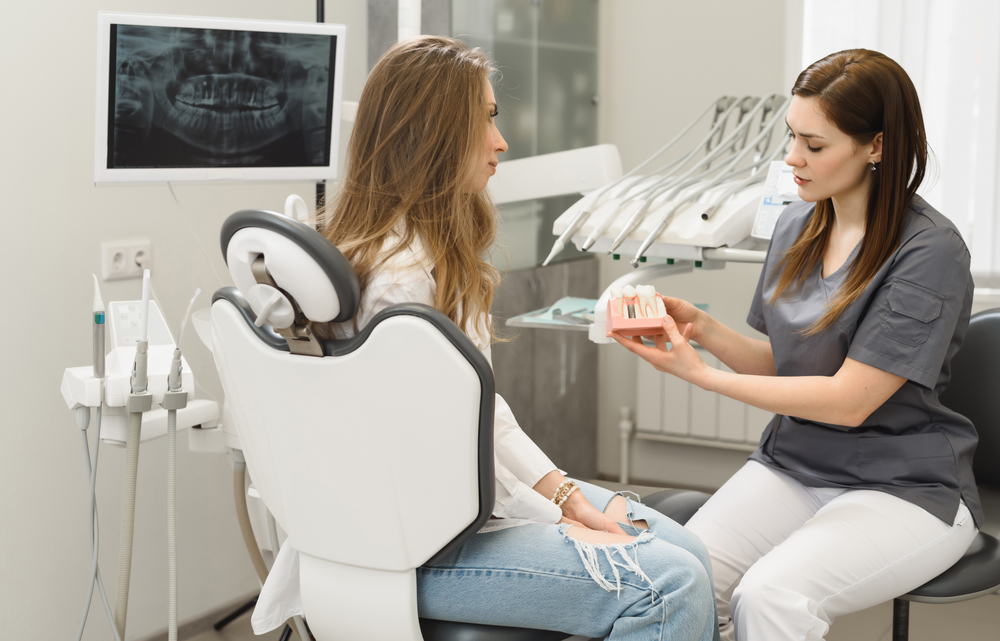
The first step in determining the most suitable tooth replacement option is to evaluate your oral health. Your dentist will thoroughly examine your mouth, gums, and teeth to assess the overall condition of your mouth. This evaluation will help determine if you have sufficient bone density and healthy enough gums to support dental implants, which need a certain amount of jawbone tissue to integrate with.
Longevity and Durability
Both partial dentures and dental implants are designed to be durable and long-lasting. However, dental implants are known for their exceptional longevity. With proper care and maintenance, implants can last a lifetime, while partial dentures may require adjustments or replacements over time. If you prefer a more permanent solution, dental implants could be the ideal choice.
Aesthetic Considerations
Your smile is a central part of your appearance and self-confidence. When deciding between partials and dental implants, you might consider the aesthetic appeal of each option. Dental implants provide a natural-looking and seamless result, blending nicely with your existing teeth. Partial dentures, on the other hand, may feature pins or clasps that are visible when you smile or speak. There is nothing wrong with that, but some people might find this aspect of partials to be less appealing.
Functionality and Comfort
The ability to eat and speak comfortably is crucial for a high quality of life. Dental implants offer excellent functionality, mimicking the natural structure and function of your teeth. With implants, once your mouth has healed from the implant procedure, you can enjoy your favorite foods with little dental restriction.
Partial dentures may require an adjustment period before the wearer can comfortably enjoy eating with them, and some individuals may experience slight discomfort or difficulty when chewing certain foods. However, modern advancements have greatly improved the fit and comfort of partials.
Cost
Cost is another factor in the choice between partials and implants. Partial dentures are generally more affordable than dental implants. However, it’s important to weigh the long-term benefits and potential maintenance costs of each option. Dental implants, while initially more expensive, can provide lifelong value and may require fewer replacements or adjustments in the future.
Smile League Dental
Deciding between partial dentures and dental implants is a personal choice that should be made in consultation with your dentist. At Smile League Dental in Joliet, we can assist you in making an informed decision that aligns with your unique needs and preferences. Remember, both partials and dental implants have their advantages, and we are happy to guide you toward the best solution for achieving a healthy, beautiful smile that you can confidently show off to the world. If you have questions about dental implants call Smile League Dental at 815-782-6243.
Millions of Americans suffer from tooth decay each year. When faced with this painful and destructive condition, patients may be presented with the option either to undergo a root canal or extract the tooth entirely. Which option is better? The answer depends upon the extent of the decay or damage to your tooth and your unique dental needs and preferences. However, when a root canal is an option, it is often a preferable choice.
What Is a Root Canal?
When the tissue inside of a tooth, also called the pulp, gets infected or damaged, it can cause pain, sensitivity, decay, and other problems. A root canal is a common dental procedure that removes infected or damaged pulp and replaces it with a filling material. A successful root canal preserves the rest of the tooth so that the patient can continue to enjoy their natural tooth without the infected pulp.
Why Choose a Root Canal?
There are several reasons to opt for a root canal rather than having a tooth extracted. Let’s discuss some of those reasons so that you can make an informed decision when you speak with your dentist about how to treat your damaged or infected tooth.
Preserving Your Natural Tooth
In some cases, a tooth might be too damaged to be saved, or an infection might be too severe to respond well to a root canal treatment. In such cases, a patient might need to have the problem tooth extracted. However, if extraction is not necessary, dentists will often recommend a root canal which would allow most of the natural tooth to be saved. The majority of root canal patients can typically anticipate enjoying a functional tooth after the procedure.
Keeping Teeth Aligned
When a tooth is extracted, the surrounding teeth may shift. This can cause bite misalignment which can lead to painful jaw problems. Opting for a root canal can preserve the natural alignment of your teeth by keeping your natural tooth in place.
Preventing Bone Loss
Tooth extraction is the most common cause of jawbone deterioration. When teeth are missing, the bone can break down, causing the jaw to weaken. Preserving a tooth and its root by choosing a root canal over tooth extraction can save the integrity of your jawbone.
Saving Money
The overall cost of tooth extraction tends to be higher than the cost of a root canal. This is because tooth extraction is often followed by dental implant placement or the creation of a custom bridge to replace the missing teeth. It often requires more long-term dental care than would undergoing a root canal. As such, a root canal is often the most time-saving and cost-effective option.
Speak With a Knowledgeable Dentist.
At Smile League Dental in Joliet, we understand the importance of helping our patients make the treatment choices that are right for them. Give us a call at 815-782-6243 to schedule a consultation with our expert team, so that you can decide if a root canal treatment is right for you.
There are many ways that teeth can lose their shiny, white luster. Coffee, tea, red wine, cola drinks, and many foods can cause dental staining and discoloration. It can be tempting to reach for the nearest over-the-counter whitening solution when you decide that you want a brighter smile. However, you should first consider the benefits of making an in-office whitening appointment:
Quicker results
At-home teeth whitening kits may be readily available at the drugstore, but they take much longer to whiten your teeth than an in-office procedure does. Most at-home whitening kits require the user to apply the product on a daily basis for weeks or longer in order to see any effect. When you make a dentist appointment to whiten your teeth, you can expect a much quicker process. It’s exciting to see an immediate change in the appearance of your teeth without the risk of doing it yourself.
Safety
At-home whitening kits can seem like a more affordable option than professional services, but when you factor in the risk to the health of your teeth and gums that at-home products present, this is not necessarily the case! Sometimes at-home kits can do more harm than good.
The active ingredient in many whitening kits is peroxide, which lightens the color of your teeth. Many people do not realize that they must handle peroxide with care, as it acts by breaking down your tooth’s enamel. Tooth enamel is important–it protects from cavities and keeps your teeth strong. The misuse of any product that disrupts enamel can have negative effects on your oral well-being.
Many users of at-home whitening products complain that they cause their teeth to become sensitive. Using too much of a product’s solution, or using the product improperly can result in teeth with weakened enamel and increased sensitivity.
Opting for an in-office whitening procedure can greatly mitigate the risk of hurting your teeth. A dentist will make sure your teeth are properly cleaned so that whitening will be safer and more effective. They will make sure that any issues (such as cracked teeth or gum disease) are properly addressed before your simple and non-invasive procedure begins.
Effectiveness
Many at-home whitening products are not as effective as they are marketed to be. Whitening strips might not reach all of your teeth, causing some teeth to remain discolored while others are whitened. Stock whitening trays might not fit your mouth correctly, causing an uneven whitening.
Professional treatment
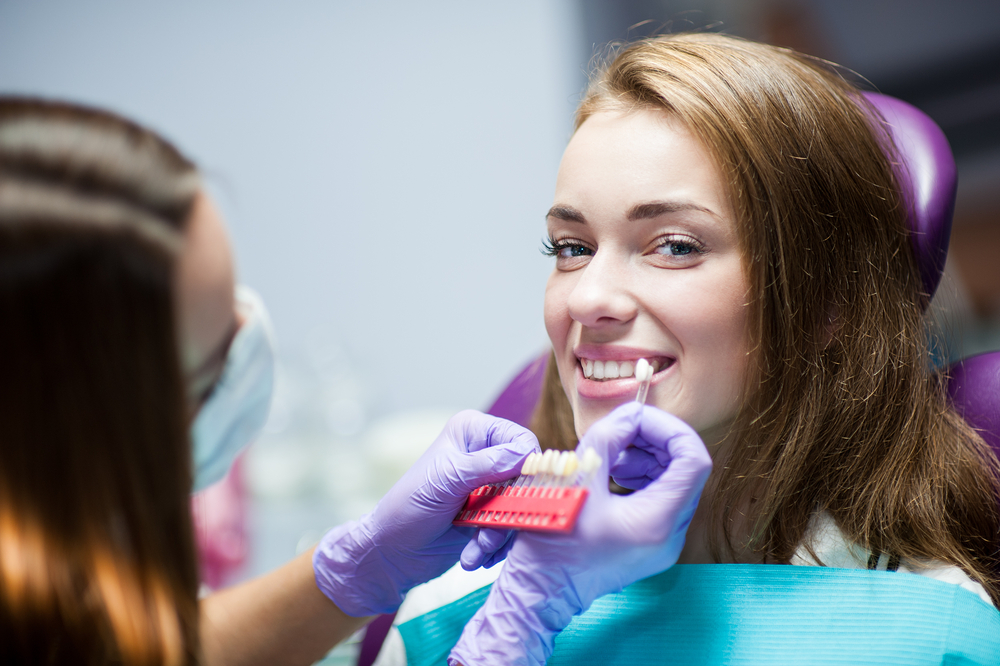
Before you choose a teeth-whitening option, it is a good idea to consult with your dentist. They can perform an oral screen and examine the kind of staining your teeth exhibit, and they can determine which type of whitening would be most effective for you.
At Smile League Dental, we believe that everyone deserves to have a beautiful, bright smile. We are proud to provide the best teeth whitening services in Joliet and the surrounding areas. Would you like to learn more about your teeth whitening options? Give us a call at 815-782-6243. We would be happy to assist you.
If you have missing teeth, there may be different solutions available to you. In some cases, missing teeth can be addressed with one or two individual dental implants. In others, a full set of implants, or full dentures might be the best solution. If a row of teeth is missing, a patient might opt for a fixed bridge. If you are missing just a few teeth, you might be eligible for an easy and cost-effective solution: partial dentures, or “partials.”
What, exactly, are partials? They are removable, prosthetic teeth that can replace missing teeth in your mouth. They are usually attached to a plate that matches the color of your gums. The plate is often held into place with a metal frame that fits into your mouth. Many people choose partials when they are missing some but not all of their teeth, and they wish to avoid the cost and invasiveness of permanent dental implants.
Partials look great, and you can use them in largely the same way that you would use your natural teeth. With proper maintenance, they can last a long time–up to several years. They are an excellent solution when you would like to replace missing teeth, but you still have healthy teeth that can be preserved rather than removed.
Why replace missing teeth?
Sometimes, replacing missing teeth is not essential. It can be an aesthetic choice. There is nothing wrong with wanting a smile full of pearly whites.
In many cases, replacing a missing tooth can help keep the teeth located on either side of a gap healthy. It can keep them positioned correctly, preventing them from loosening or becoming damaged. Tooth replacements can also keep your bite aligned, which can help you avoid painful conditions like TMD (temporomandibular joint dysfunction).
A partial can also help keep food particles from getting jammed into the gaps left by missing teeth, which could otherwise lead to gum disease and infections.
Should I opt for partials or permanent implants?
Permanent implants can be a great option if you want to replace your missing teeth without the hassle of removing and replacing them every day. Their immobility can make them feel more like natural teeth. Another option is a fixed bridge–a row of prosthetic teeth held into place by implanted crowns at each end.
However, if you are interested in achieving a beautiful smile of functional teeth without an invasive and costly dental implant procedure, then partials may be an excellent option for you. It can take time to get used to the routine of removing your partials each night, cleaning them, and replacing them in the morning; but once you do, you may find it to be an easy and agreeable way to keep your mouth healthy and your smile shining.
Contact Smile League Dental
Talking with your dentist is the best way to determine what kind of tooth replacement will work best for you. At Smile League Dental in Joliet, we are happy to discuss your options for replacing missing teeth and answer any questions you might have about your family’s dental health. Call us at 815-782-6243 to schedule an appointment today.
Are you interested in getting dental implants in Illinois? If so, you may have plenty of questions about the process for getting them. What is involved? How long does it take? What can you expect? Let’s go over the process of getting dental implants, from start to finish.
The initial evaluation
Before you can begin the process of receiving dental implants, your dentist will have to determine whether or not you are in fact a good candidate for getting them. What makes a person a good candidate for dental implants? Your dental practitioner will make sure that you meet the following criteria:
Your jawbone has enough strength and density to support implants.
You have good oral health and your gums are disease-free.
You are able to commit a timespan of months to the full implant procedure.
Your dentist will check for other factors too, such as whether or not you are pregnant, and if you smoke cigarettes, as these could impact your candidacy.
Determining the type of implant you should receive
During your evaluation, your dentist can help you decide what kind of implant would be best for you. There are several different kinds of dental implants:
A single-tooth implant works for people who are missing one tooth.
An implant-supported bridge is a row of crowns that are supported by implants at each end of the row. This option can be ideal for patients who are missing multiple teeth that are next to each other.
Full-mouth dental implants can be a great option if all or most of your teeth need replacing.
Your dentist will also help you decide how deeply your implants should be placed.
Implant placement
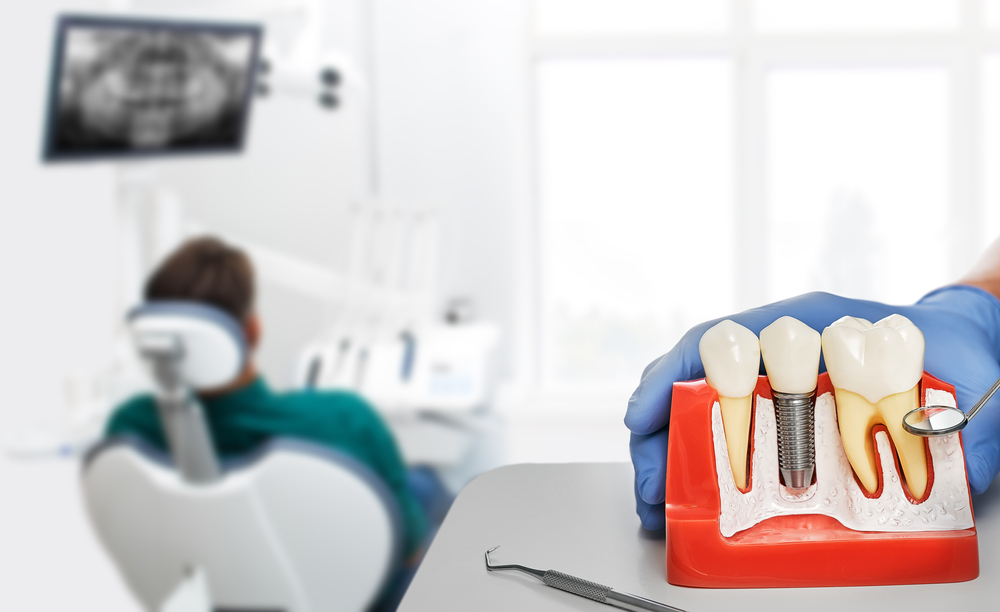
Before the implant is placed, any teeth that need to be taken out will be removed. Then, a titanium post will be inserted into your jaw. The surgery can take around 1 to 2 hours, depending on how many implants you are getting.
Healing
Your jaw and gums will need plenty of time to heal. Your jawbone will integrate itself into the titanium post, making the post sturdy and ready to receive a crown. This healing process can take months. Once you are healed, a small connecting piece called an abutment is placed onto the titanium post.
Making new crowns
Your dentist will make crowns to replace your missing teeth. These will then be attached to the abutments to complete your shiny, new dental implants.
Enjoy your new teeth!
You can now enjoy a bright and healthy smile! Healed dental implants function much the same as natural teeth. Speak with your dentist to find out if there are any foods or habits that you should avoid to make the most of your dental implants.
Caring for your dental implants
Just like natural teeth, dental implants require upkeep. You will need to continue brushing with a soft toothbrush and flossing daily. You should also schedule regular dentist visits to make sure your implants are doing well.
Would you like to schedule an evaluation to discuss dental implants in Joliet? Call Smile League Dental in Joliet today! Our friendly and knowledgeable team would be happy to answer any questions you might have. You can reach us at 815-782-6243.
 Mon to Thur 9am- 6pm and Friday 9am- 8pm; Saturday 9am-3pm.


 smileleaguedental@gmail.com


Recent Comments