As a cosmetic dentist with Smile League Dental, I personally get to see how big a difference a great smile makes in confidence and overall happiness. Chipped, discolored, or misaligned teeth are totally transformed with porcelain veneers, adding more confidence to your life, as always desired.
Porcelain veneers are thin, custom-made shells of porcelain dental material that are attached to the front of your teeth. They are fabricated to mimic the appearance of your teeth, as well as mask numerous cosmetic imperfections. Unlike some other dental treatments, veneers are more permanent. They will give you long-lasting results that can hold up to everyday wear and tear.
Smile Effects Of Porcelain Veneers
Porcelain veneers come with a big deal of advantages, including the smoothening of multiple dental imperfections altogether. Be it discoloration, chipping, or slight misalignment; veneers can cover up all these problems to bestow on your smile an even, shining look. In this respect, the porcelain material is made to closely resemble the natural enamel of your teeth so that your smile looks natural, yet dramatically better.
What truly sets these veneers apart, however, is the versatility of the treatment. From gaps between the teeth to minor misalignments and even different-sized teeth, veneers fix these issues without having to revert to braces or other orthodontic treatments. You can, therefore, have a straighter and more balanced smile after just a few visits to our office.
Porcelain Veneers Process
Getting veneers is relatively easy and painless. On your first visit, I take the time to understand what you want for your smile and how veneers can help you achieve it. We are also looking at your teeth to make sure veneers would be the right choice for you.
When we determine we can go ahead, we will need to prepare your teeth for veneers by removing a small amount of enamel to accommodate the veneers. No need to be concerned because this is quite painless, and we will make sure you’re comfortable throughout the process. Next, after preparation, impressions of the teeth are taken. These will be used to fabricate your custom veneers.
Once your veneers are ready, you will return for the final fitting. I will carefully place each veneer onto your teeth, ensuring a proper fit and a natural appearance. Once everything is in place, we will bond the veneers to your teeth, and you will leave our dental office with a brand-new smile.
Long-Term Advantages Of Porcelain Veneers
Porcelain veneers can last for many years with proper care. They are highly resistant to stains, and you can enjoy your favorite foods and drinks without the concern of discoloration. The only things you need to continue are regular brushing, flossing, and dental check-ups, and your veneers could remain great for several years.
Another wonderful benefit that veneers afford is the confidence they can help bring along with them. I have had many patients leave the office with so much more self-assuredness about their smile and who will now flash it for all to see. And when you are happy with your smile, it shows in just about every other area of your life, whether personal or professional.
Are You Ready To Transform Your Smile?
If you have been considering smile improvement, then porcelain veneers could be the ideal solution for you. Here at Smile League Dental, I will guide you through in attaining your perfect smile. My practice is conveniently located for patients in Plainfield, Joliet, Lockport, Bolingbrook, and the surrounding areas.
For those who are interested in how porcelain veneers can revitalize a smile, I invite them to contact our Plainfield porcelain veneer dentist at Smile League Dental today at 815-782-6243 to book your consultation. Let’s make that confident, joyful smile a reality.
Maintaining optimal oral health extends far beyond just keeping your smile attractive. It also enhances your overall quality of life, allowing you to eat, speak, and socialize without discomfort or embarrassment. Here are five essential dental procedures offered by a Plainfield general dentist that can significantly improve your oral health and enhance your well-being.
1. Regular Dental Cleanings and Examinations
Preventative care is fundamental in maintaining good oral health and early detection of potential issues. Regular cleanings and check-ups performed by a Plainfield general dentist can prevent the development of dental problems such as tooth decay and gum disease. These visits not only allow the dentist to remove plaque and tartar build-up, which are the primary causes of cavities and periodontal disease, but also enable early detection of any potential issues, leading to simpler and more cost-effective treatments.
2. Dental Fillings
Dental fillings are a common procedure used to treat cavities and restore the integrity of a tooth. When a cavity forms, it creates a small hole in a tooth, which can grow larger and deeper over time if left untreated. A filling helps to restore the tooth after the decay has been removed, preventing further decay and maintaining the tooth’s functionality. By using materials that match the color of your natural teeth, fillings can also offer a cosmetic solution that maintains the aesthetic of your smile.
3. Dental Implants
For those missing one or more teeth, dental implants provide a durable and aesthetically pleasing solution. Implants serve as a strong foundation for fixed (permanent) or removable replacement teeth that are made to match your natural teeth. Unlike dentures, implants are anchored in the jawbone, offering a permanent solution that feels more natural and is more stable. This natural feel allows for easier eating and speaking and maintains the shape of your face, preventing the bone deterioration that often occurs with tooth loss.
4. Orthodontic Treatments
Orthodontic treatments, including braces and clear aligners, are designed to correct irregularities in teeth alignment and bite. Beyond the functional benefits, properly aligned teeth can significantly enhance your confidence and comfort. Advanced orthodontic treatments can align teeth more quickly and discreetly than ever before, ensuring a comfortable and confident smile.
5. Teeth Whitening
Teeth whitening is one of the most popular cosmetic dental procedures that can significantly enhance the aesthetics of your smile. Over time, teeth can become stained or discolored, especially after consuming foods and beverages like coffee, tea, and red wine. A professional whitening treatment by a dentist can make your teeth several shades lighter, leading to a brighter and more youthful appearance. This procedure can significantly boost your self-esteem and social interactions, making you feel more confident and sociable.
Why These Procedures Matter
Each of these procedures can play a crucial role in not only maintaining the health of your teeth and gums but also in enhancing your overall quality of life. They help prevent the progression of decay and disease while improving the functionality and appearance of your teeth. Good oral health is linked to better overall health, reducing the risk of serious conditions associated with poor oral hygiene such as heart disease and diabetes. By understanding and utilizing these procedures, you can take control of your oral health and improve your overall quality of life.
Call Our Plainfield General Dentist For A Dental Consultation
At Smile League Dental, your oral health is our priority. We offer these transformative dental procedures that are more tailored to meet your specific needs and goals. Don’t wait to improve your oral health and quality of life. Call our Joliet general dentist at 815-782-6243 today for an initial consultation. Let us help you achieve and maintain a healthy, beautiful smile that lasts a lifetime.
As a family dentist at Smile League Dental in Joliet, Illinois, I frequently encounter questions about the newest trends in dental care, especially those related to teeth whitening. One of the most popular trends lately has been the use of activated charcoal toothpaste. Many of my patients are curious whether this product, which is known for its striking dark appearance, can genuinely make their teeth whiter.
Understanding Activated Charcoal Toothpaste
Activated charcoal is a form of carbon that is treated to make it highly porous, increasing its surface area. This makes it exceptionally absorbent, allowing it to bind with certain substances, including stains on the teeth. The idea behind activated charcoal toothpaste is that it can absorb plaque and other compounds that stain teeth, supposedly leading to a whiter smile.
Effectiveness of Activated Charcoal for Teeth Whitening
While activated charcoal can remove some surface stains, its effectiveness as a teeth whitener should be approached with caution. First, it’s important to understand that charcoal toothpaste mainly addresses extrinsic stains—those on the surface of the teeth caused by coffee, tea, red wine, and other staining foods and drinks. It does not change the intrinsic color of your teeth, which is determined by the deeper layer of dentin.
Moreover, the abrasive nature of charcoal can potentially harm the enamel if used too frequently. Damaged enamel can make your teeth more prone to decay and make them look yellower, as thinning enamel exposes the darker dentin. Therefore, while you might notice some initial whitening, overuse can lead to dental health issues.
Professional Teeth Whitening vs. Charcoal Toothpaste
For those seeking a truly brighter, more consistent smile, professional teeth whitening services are the more effective and safer option. At Smile League Dental, we use advanced whitening technologies that are designed to minimize tooth sensitivity and are applied by trained professionals. These treatments can address both extrinsic and intrinsic stains, leading to results that are more dramatic and longer-lasting than those provided by charcoal toothpaste.
FAQs About Teeth Whitening
Can charcoal toothpaste replace my regular toothpaste?
Charcoal toothpaste should not replace your regular toothpaste as it does not contain fluoride, which is essential for fighting tooth decay.
How often can I use activated charcoal toothpaste?
If you choose to use charcoal toothpaste, it should be used sparingly to minimize the risk of enamel damage—no more than once or twice a week.
Is professional teeth whitening safe?
Yes, professional teeth whitening is safe when conducted under the supervision of a dentist. We ensure that the whitening procedure is suitable for your dental health and adjust the treatment to your specific needs.
Contact Smile League Dental For A Teeth Whitening Consultation
Are you curious about achieving a brighter, more attractive smile? At Smile League Dental, we offer professional teeth whitening services that provide noticeable results without the risks associated with over-the-counter products like activated charcoal toothpaste.
If you’re exploring teeth whitening options and want reliable, effective results, call Smile League Dental in Joliet, Illinois, at 815-782-6243. Schedule a free consultation today and let us help you achieve the radiant smile you deserve. Visit our website for more information and to see how we can transform your smile and boost your confidence with our cosmetic dental services.
Emergency dental situations demand immediate attention, not only to alleviate pain but also to prevent potential long-term damage to your oral health. At Smile League Dental in Joliet, Illinois, our highly skilled team, equipped with the latest technology, is ready to handle a range of urgent dental issues with the precision and care that our patients deserve. Understanding the types of emergencies that warrant immediate dental care can help you take the right action without delay.
When faced with severe dental pain, lacerations to the gums, cheeks, lips, or tongue, or any similar acute discomfort, it is crucial to seek professional help immediately. Such conditions not only cause significant pain but also pose risks of infection or more severe complications if not treated promptly. At Smile League Dental, we prioritize your comfort and health, ensuring that you receive the necessary care as quickly as possible.
Loose Teeth
Among the common emergencies we handle at Smile League Dental are loose teeth. Each of these situations can arise from various incidents, such as accidents, sports injuries, or the sudden onset of infection. Our team is trained to provide a specific approach to treatment for each of these emergencies. For instance, a loose tooth, whether due to trauma or infection, may need to be stabilized or possibly reattached to prevent tooth loss. Immediate professional assessment is critical to determine the best course of action and to maximize the chances of a favorable outcome.
Dental Abscess
Another emergency that demands urgent care is a dental abscess, an infection at the root of a tooth or between the gum and a tooth. This condition can lead to severe, throbbing pain, swelling, and general illness. Treatment typically involves draining the abscess and addressing the infection with antibiotics, followed by further dental work such as a root canal or extraction, to ensure the health of the affected area is restored.
Broken Teeth
Severe toothaches and significantly damaged teeth (whether broken, cracked, or chipped) also require emergency dental services. These issues often point to underlying problems such as decay, infection, or structural damage to the tooth. Addressing these symptoms promptly can prevent further deterioration and more complex dental problems down the line.
At Smile League Dental, our emergency services include not just pain management and temporary restorations, but also comprehensive plans for permanent solutions based on a detailed evaluation of the tooth’s condition, ensuring a thorough and effective approach to your dental health.
The treatment approach for a broken tooth can vary significantly depending on the extent of the break. Minor fractures may need only a dental filling or a crown, but more severe breaks, especially those that expose the tooth’s inner layers, may require root canal therapy or, in extreme cases, extraction.
Your Pain Relief Matters To Smile League Dental
For all these emergencies, Smile League Dental offers advanced treatment options and utilizes state-of-the-art technology to ensure the best care. Our dentist and dental assistants are committed to providing immediate and effective treatments to relieve pain, restore dental health, and prevent complications.
If you are experiencing any of the dental emergencies mentioned, do not hesitate to contact Smile League Dental at 815-782-6243 for swift and professional emergency dental care in Joliet. At Smile League Dental, located at 3587 Hennepin Dr, Joliet, IL 60431, we are here to assist you in your time of need, ensuring your dental health is promptly and effectively managed. We are dedicated to restoring your comfort and dental health with the highest level of care.
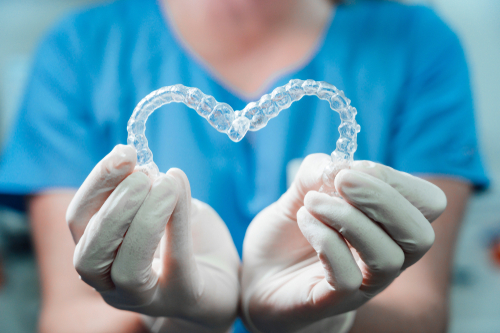
SmileDirectClub, which gained popularity for offering clear dental aligners as a convenient and affordable alternative to traditional braces, is now closing its doors. The company has served over two million customers since its inception in 2014. Unfortunately, despite its initial promise, SmileDirectClub struggled financially, reporting losses of $86.4 million in 2022 and eventually filing for Chapter 11 bankruptcy protection.
Smile Direct Customers Left In State Of Uncertainty
Existing SmileDirectClub customers have been left in a state of uncertainty. The company’s telehealth aligner treatments are no longer available, and customer orders that still need to be shipped have been canceled. The “Lifetime Smile Guarantee” has also been discontinued, further adding to the confusion. SmileDirectClub suggests that Smile Pay customers should continue making payments, compounding the frustration for many.
Moreover, customer-care support is no longer provided. The company has advised customers to consult their local dentists or orthodontists for alternative treatments. Details about potential refunds are pending and will be determined as part of the bankruptcy process.
SmileDirectClub’s closure means they must liquidate their assets, raising concerns about whether customers will receive compensation. Unfortunately, those who signed up or made payments after the company’s bankruptcy filing in September will likely be prioritized, leaving many early customers without recourse.
Dr. Myron Guymon, President of the American Association of Orthodontists, speculates that tens of thousands of individuals could be affected by SmileDirectClub’s closure. Many of these individuals have invested time and money in their treatment, only to find themselves without ongoing care.
The Perils Of DIY Dentistry
Over the years, dental associations worldwide have raised concerns about direct-to-consumer aligner treatments, often referred to as “DIY” dentistry. These treatments do not require in-person visits to a dentist or orthodontist, potentially leading to overlooked oral health issues. Many former direct-to-consumer aligner patients eventually seek orthodontic care for reevaluation, often discovering problems like gum disease and bite issues.
SmileDirectClub is one of many direct-to-consumer dental aligner providers on the market, but concerns persist about the need for more direct supervision and patient-doctor relationships. This business model raises questions about patient safety and the ability to address problems promptly.
While teledentistry can improve access to dental care, it should be within established safety guidelines. Patients can benefit from remote monitoring between in-person treatments, but it’s crucial to maintain a patient-doctor relationship to ensure the best possible outcomes for orthodontic treatment.
Reliable Alternatives For Aligner Treatments
In light of SmileDirectClub’s closure, it’s crucial for individuals seeking aligner treatments to explore reliable alternatives. One such option is “Smile League Dental” in Joliet, Illinois, where you can expect personalized care and unwavering support throughout your orthodontic journey.
At Smile League Dental, you’ll benefit from a team of experienced professionals who prioritize your oral health and well-being. They understand that orthodontic treatment is not just about achieving a straighter smile but also about maintaining your overall oral health. With their guidance, you can rest assured that your treatment will be carried out safely and effectively.
Your Journey to Confidence Begins With Smile League Dental
Choosing Smile League Dental means choosing quality care and a commitment to your long-term oral health. Don’t let SmileDirectClub’s closure deter you from achieving the smile you’ve always wanted. Your journey to a confident, beautiful smile begins with a call to Smile League Dental in Joliet, Illinois. Contact our dental aligner professionals in Joliet at 815-782-6243 to learn more about your options and take the next step toward your dream smile.
 Mon to Thur 9am- 6pm and Friday 9am- 8pm; Saturday 9am-3pm.


 smileleaguedental@gmail.com



Recent Comments