Millions of Americans suffer from tooth decay each year. When faced with this painful and destructive condition, patients may be presented with the option either to undergo a root canal or extract the tooth entirely. Which option is better? The answer depends upon the extent of the decay or damage to your tooth and your unique dental needs and preferences. However, when a root canal is an option, it is often a preferable choice.
What Is a Root Canal?
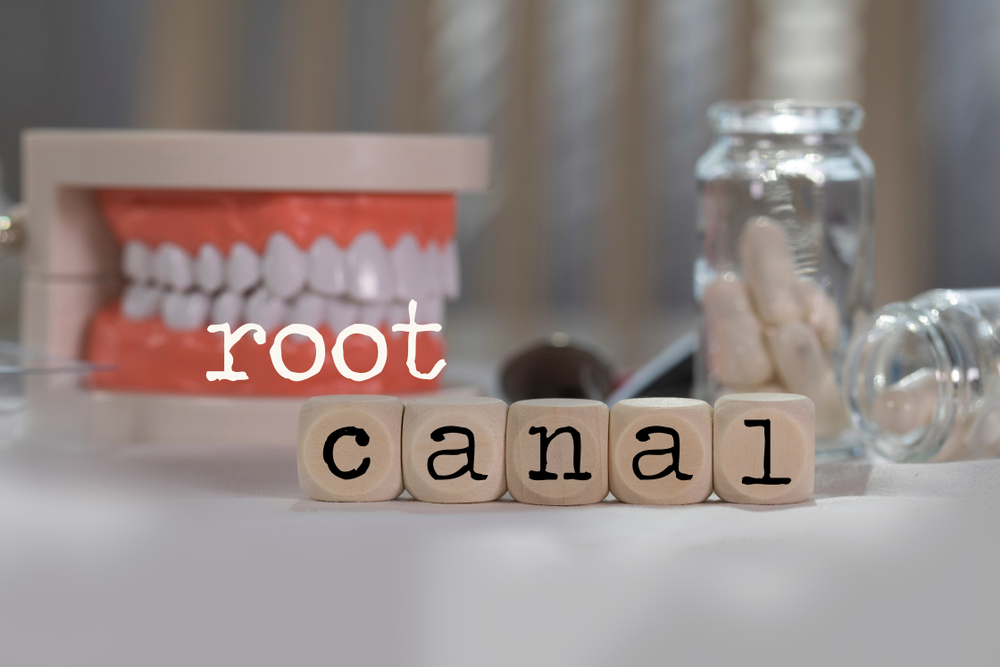
When the tissue inside of a tooth, also called the pulp, gets infected or damaged, it can cause pain, sensitivity, decay, and other problems. A root canal is a common dental procedure that removes infected or damaged pulp and replaces it with a filling material. A successful root canal preserves the rest of the tooth so that the patient can continue to enjoy their natural tooth without the infected pulp.
Why Choose a Root Canal?
There are several reasons to opt for a root canal rather than having a tooth extracted. Let’s discuss some of those reasons so that you can make an informed decision when you speak with your dentist about how to treat your damaged or infected tooth.
Preserving Your Natural Tooth
In some cases, a tooth might be too damaged to be saved, or an infection might be too severe to respond well to a root canal treatment. In such cases, a patient might need to have the problem tooth extracted. However, if extraction is not necessary, dentists will often recommend a root canal which would allow most of the natural tooth to be saved. The majority of root canal patients can typically anticipate enjoying a functional tooth after the procedure.
Keeping Teeth Aligned
When a tooth is extracted, the surrounding teeth may shift. This can cause bite misalignment which can lead to painful jaw problems. Opting for a root canal can preserve the natural alignment of your teeth by keeping your natural tooth in place.
Preventing Bone Loss
Tooth extraction is the most common cause of jawbone deterioration. When teeth are missing, the bone can break down, causing the jaw to weaken. Preserving a tooth and its root by choosing a root canal over tooth extraction can save the integrity of your jawbone.
Saving Money
The overall cost of tooth extraction tends to be higher than the cost of a root canal. This is because tooth extraction is often followed by dental implant placement or the creation of a custom bridge to replace the missing teeth. It often requires more long-term dental care than would undergoing a root canal. As such, a root canal is often the most time-saving and cost-effective option.
Speak With a Knowledgeable Dentist.
At Smile League Dental in Joliet, we understand the importance of helping our patients make the treatment choices that are right for them. Give us a call at 815-782-6243 to schedule a consultation with our expert team, so that you can decide if a root canal treatment is right for you.
It’s natural to feel uncomfortable or even a little scared of gum disease. This type of infection can have some embarrassing and painful symptoms.The best way to deal with gingivitis and periodontitis is to face the issue head-on and get the help you need as early as possible. Smile League has Joliet gum disease treatment in a relaxed, friendly, professional environment, so please reach out and schedule an appointment.For the rest of this article, we’re going to look at the research connecting gum disease to heart disease. We are also going to talk about some symptoms and preventive measures you can take.
Gum Disease and Heart Disease: Are They Related?
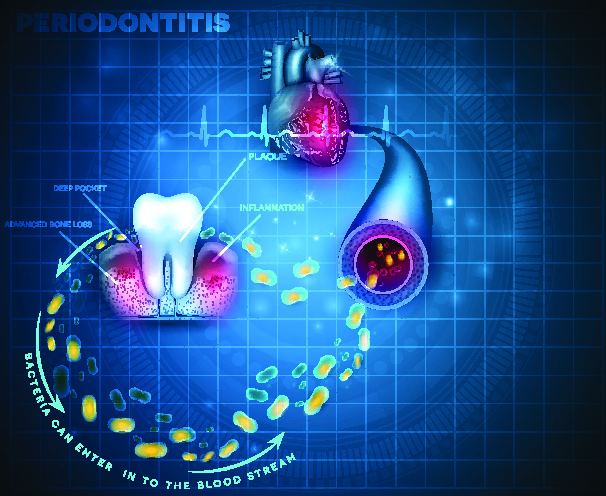
Did you ever think about how strange it is to have a different doctor for your mouth than you do for the rest of your body? All of these systems are connected in one way or another, and we are beginning to learn more about those connections.Recent research has suggested a stronger link between gum disease and heart disease. We’ve discovered the same type of bacteria in diseased hearts as we find in infected gums. There are also correlations between gum inflammation and some types of cardiovascular inflammation.The theory is that bacteria could enter the bloodstream through the gums. From there, it ends up forming reservoirs in other parts of the body.What does that mean for your heart health? The general consensus is that people at risk of heart disease, especially those with artificial valves, should make every effort possible to maintain good oral health.
Catching Gum Disease Early
To keep up with your oral health, you’ll want to pay close attention to any changes involving your teeth, gums, or mouth. Here are some symptoms to watch out for:
Bad breath (not just after food or drink)
Bleeding when you floss
Changes in the appearance of your gums (different colors or puffy-looking gums)
Longer-looking teeth (receding gums)
Swollen or reddened gums
Bleeding or pain, especially without flossing
Loose teeth or teeth falling out
There’s no such thing as a minor symptom of gum disease, but some of these are obviously more serious than others. Please contact us if you have any of them — and preferably reach out before you start feeling pain or serious discomfort.
Preventing and Treating Gum Disease
Gum disease is typically a progressive problem that we control early through focused changes in habits. Sometimes, we recommend professional intervention. There are also some things that could prevent it (or prevent it from getting worse):
Brushing and flossing regularly
Quitting smoking
Getting professional cleanings
Having regular preventive dentist appointments
Getting deep cleanings
Taking certain types of antibiotics
Treatment really depends on your exact condition — we’ll have to take a look to see what we can do. Also, if you already come in a couple of times a year, you can be confident that your dentist is already keeping an eye out for any signs of gum disease.Hopefully, that provides a good summary of what we currently know about the link between gum disease and heart disease. For more questions or to make an appointment, feel free to reach out to our experiencedfamily dentists in Joliet at any time by calling 815-782-6243.
Nobody needs to be confused or worried about getting cosmetic dentistry. It’s really very approachable for most people. In fact, many of the people you know might have already had these types of procedures.
Let’s take a look at the entire process of going to a cosmetic dentist from start to finish. You might notice that it’s pretty similar to going to a regular dentist — partly because your family dentist probably has a cosmetic practice. If you have any questions or you’d like to make an appointment, please reach out to Smile League Dental at any point.
Consultation
Your first step with any cosmetic procedure will be a consultation. This might happen during a regular checkup when the dentist notices something. Otherwise, you might come in for a specific appointment.
Planning
After you have identified the problem you want to solve, it’s time to think about solutions. This is the hardest part for most patients.
There are usually a number of different ways to address any specific cosmetic challenge that you’re facing. Choosing between all of the options means balancing cost, schedule, and end result against your own personal preferences and expectations.
The best dentists should be able to highlight some of the options that will work for your unique situation. Make sure that you work with someone you trust during this planning phase, and the rest of your experience should be great.
Procedure
After you plan everything, you will undergo the procedure you selected. This could be as simple as a same-day teeth whitening, or it could involve a multistage process. You might need to wait a little longer to start the more complicated options, as they can require advanced imaging, molds of your teeth, and manufacturing of advanced prosthetics.
Cosmetic procedures have come a long way in recent years. They are now more accessible and they can provide more natural-looking results than ever before.
Recovery (If Applicable)
Some cosmetic dentistry might require recovery or some type of downtime. For example, many people get a temporary crown as a placeholder before their new prosthetic can be installed. Implants tend to be sore for a short period before they become as natural-feeling as original teeth.
On the other hand, some cosmetic procedures result in virtually zero discomfort. Teeth whitening, for example, basically only requires you to open your mouth for the dentist.
If a recovery period might not fit into your plans, then you will definitely want to discuss that during the planning phase with your dentist. One common example is getting cosmetic dental procedures in preparation for a wedding — you might want to start planning well in advance for these types of events.
Enjoyment
The final stage of any cosmetic dental procedure is enjoying your new smile and sharing it with those around you. Let us help you get there — reach out for an appointment today at our Joliet cosmetic dentistry center.
How can you find the best dentist in Joliet? Congratulations, because in our opinion — and our patients’ opinions — you’ve already found it.
Smile League Dental is on a mission to put a smile on your face. We embody the approach and the standards we would want in a dentist. You really don’t need to look any further, and the good news is that we’re currently accepting new patients.
We’re going to talk some more about what makes Smile League the top-rated dentist in Joliet, but you’re invited to come in and see for yourself. Contact us soon to make an appointment — we’re looking forward to hearing from you.
All the Services You and Your Family Needs
One of the reasons people recommend our office is our range of services. We provide:
Invisalign
Tooth cleaning and preventive appointments
Crowns, bridges, and implants
Teeth whitening and cosmetic dentistry
Dental imaging
Root canal
Emergency care
Whether our patients are 8 or 88, we have what it takes to put a smile on their faces. We’re also highly conscious of our patients’ overall needs. We get to know people, and we only make recommendations after taking the entire situation into consideration.
Positive Experiences and Good People
We’re a business, but we’re also a community. Smile League is about increasing happiness, whether it’s through our top-quality dental services, through the way we provide them, or through our dedication to helping people.
A special point of pride is our reputation. Our patients love having a dentist they can feel comfortable with and trust, and we love having the support of so many great people. Feel free to check out our online reviews to get an idea of what people are saying about us.
A Convenient Location
Some of our patients travel a good distance to see us, and it’s wonderful to have that kind of loyalty. However, most people don’t need to go too far.
Smile League is right by the U.S. 30 and I-55 interchange, near one of the biggest shopping areas in town. You might already be in our neighborhood more often than you realize.
It’s important to have someone nearby — important for more than just convenience. We always set aside time so we can accept emergency calls. Although it’s unlikely that you’re reading this with a dental emergency, please reach out immediately if you’re suffering in some way. We will fit you in as soon as possible.
Contact Smile League
Thank you for taking the time to learn more about us. If you have any questions or if you’d like to schedule an appointment, we’d be happy to hear from you. Call our Joliet family dentists now at 815-782-6243.
The long-awaited new year is here. As we are all look forward to a healthier 2021, maybe you are thinking of adding to your new year’s resolution list, healthier and whiter teeth?
Maybe you are a big coffee drinker, and, over time, your teeth have become stained. Perhaps, your new year resolution includes quitting smoking, and whitening your teeth as a fresh healthy start.
As you may know, there is something about whiter, healthy teeth and smile. The happier you are with your teeth, the more likely you are to show them off to other people, boosting your confidence.
If you have not, you certainly may want to include teeth whitening and healthier teeth to your new year’s resolution list.
As Part of Your New Year Resolution
Regular brushing and flossing are important fundamental ways to keep your teeth healthy and bright. And so is visiting your dentist every six (6) months. However, if you feel you want your teeth more shades lighter, then consider teeth whitening. Teeth whitening involves bleaching your teeth to make them lighter. Teeth whitening can lighten the existing color of your teeth by several shades.
Part of Your New Year Resolution and Before You Venture Into Teeth Whitening, Remember This
It is important to see a dentist for an assessment of your teeth and oral health. If you have cavities, gum disease, or other abnormalities, you can make certain symptoms worse and negatively affect your oral health. A dentist will be able to help you make the right choice.
Factors That Can Change the Color of Your Teeth
Multiple factors cause teeth to become dull and lose their bright, white sparkle. Certain foods can stain your enamel, which is the outermost layer of your teeth. Additionally, plaque buildup on your teeth can cause them to look yellow (you would need to first get a cleaning by a dentist). Tobacco use, aging, trauma, and certain medications (like tetracycline) can also change the color of your teeth. The success of teeth whitening will largely depend on the cause of discoloration. For example, grey colored teeth or tetracycline-stained teeth will require more bleaching efforts, compared to yellow-colored teeth.
Visiting the Dentist for an Evaluation and Treatment
Depending on what type of teeth whitening you want, you may need to make a visit to the dentist for an evaluation in this new year, to achieve your new year’s resolution list. For at-home teeth whitening, you would need an evaluation, and then a custom-made tray to help you hold the bleach in place. For in-office teeth whitening, you would need an evaluation, and then the actual bleaching appointment which is less than two (2) hours.
It is important to note that bleaching will not whiten porcelain crowns or composite tooth-colored restorations.
In-Office Teeth Whitening VS at Home Teeth Whitening
In-office-based teeth bleaching means bleaching done for you at a dentist’s office while at-home teeth whitening is bleaching you can do at home yourself, with the guide of a dentist.
Similarities: Both in-office and at-home teeth-whitening options use peroxide-based bleaching agents.
Major differences: In-office yields a dramatic result at a shorter time (since it contains a higher concentration of peroxide) compared to at-home teeth whitening which takes more time and several days.
Other differences: At-home teeth whitening systems contain from 3 to 20-percent peroxide (carbamide or hydrogen peroxides). In-office teeth whitening systems contain from 15 to 43-percent peroxide. However, the higher the percentage of peroxide in the teeth whitening solution, the shorter it should be applied to the teeth.
At-Home Teeth Whitening
At your evaluation visit, your dentist will evaluate your oral health and medical history. Once it is determined you are a good candidate for at-home teeth whitening, the dentist will take an impression of your teeth to make a mouthguard and instruct you how to use it with a bleaching gel. Then, using your mouthguard at home, consistently apply the gel for a specified period over 2 to 4 weeks (or as instructed by your dentist).
In-Office Teeth Whitening
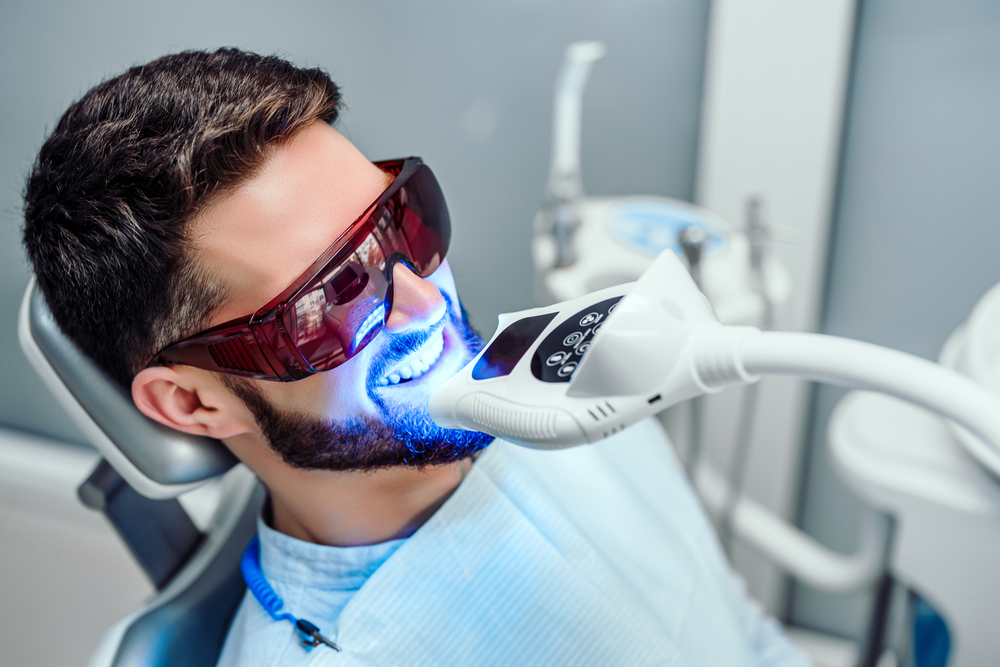
Teeth whitening done by your dentist can get teeth brighter faster. The bleaching solution is usually much stronger than at-home kits. Also, heat, light, or a combination of the two may be used to speed and intensify the whitening process. This yields the most dramatic results, with teeth getting three to eight shades brighter. This procedure usually takes several minutes, about 30- to 60-minutes. Teeth whitening may not always be predictable, although certain factors help achieve more predictability. Amongst these factors is the use of Philips Zoom teeth whitening LED light to intensify teeth whitening done in the office and to shorten treatment time.
What is the Philips Zoom Teeth Whitening LED light?
Philips Zoom teeth whitening is a popular method of teeth whitening because it takes extraordinarily little time to work and is effective for most people. It can dramatically whiten your teeth up to 8 shades brighter! Since this technology is one of the best in the market for teeth whitening, we deem it important to offer this product to our dearly esteemed customers at Smile League Dental. You may want to review the answers to Frequently Asked Questions about the Philips Zoom teeth whitening. You should also review the instructions about the Philips Zoom teeth whitening, which will be given to you at your initial evaluation appointment with the dentist at Smile League Dental.
The Zoom Whitening Procedure
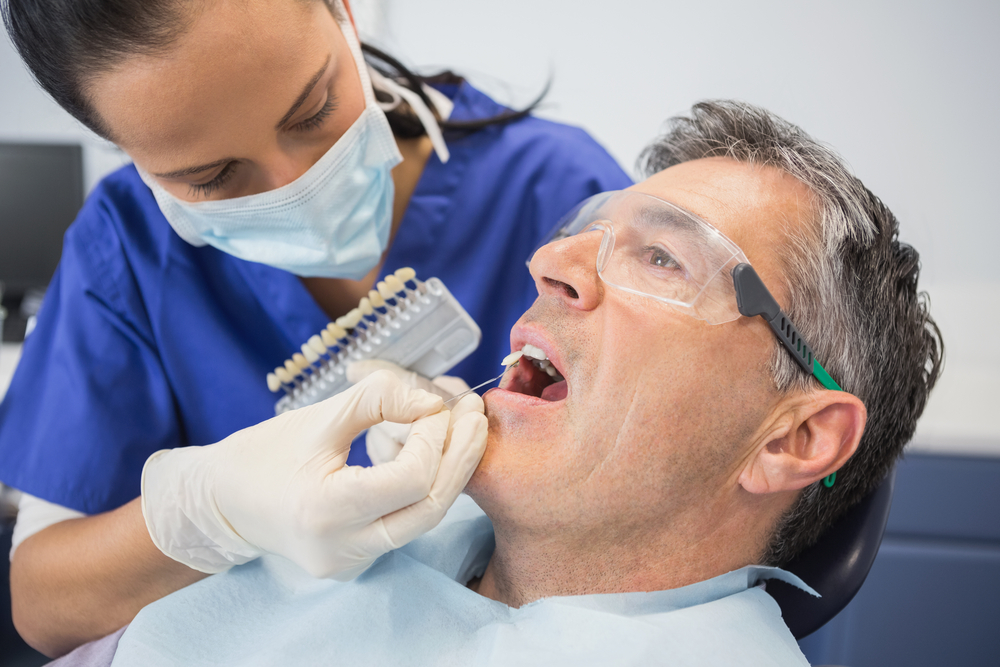
Your current teeth shade will be assessed, so you have a reference shade to the new shade, which will be achieved after the whitening.
Next, a protective cover is put over your lips and gums leaving only your teeth exposed.
Some gel is applied to the back surfaces of the teeth to be whitened.
Then the whitening gel is applied to your teeth and will remain for 15 minutes.
A special lamp is used in combination with the hydrogen peroxide Zoom whitening gel to remove stains from your teeth.
More gel is applied every 15 minutes.
The entire procedure takes about 45 minutes.
Once the whitening is complete, a different gel is applied to your teeth to lessen sensitivity.
Before you leave, you will receive a touch-up home kit and advice from your dentist about which foods you are able to eat and drink.
As a note, it is recommended that you get your teeth professionally cleaned before receiving Philips Zoom whitening. You will want your teeth to be as clean as possible before the actual treatment.
 Mon to Thur 9am- 6pm and Friday 9am- 8pm; Saturday 9am-3pm.


 smileleaguedental@gmail.com

Recent Comments