 Mon to Thur 9am- 6pm and Friday 9am- 8pm; Saturday 9am-3pm.


 smileleaguedental@gmail.com

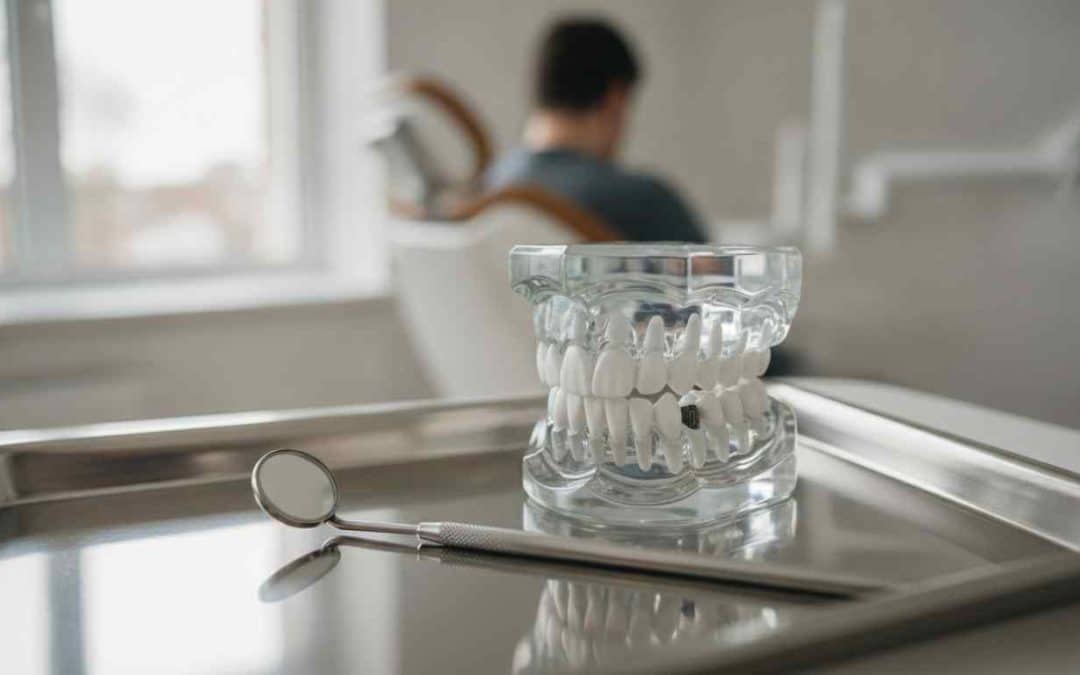
Losing a tooth creates more than an empty space in your smile. Depending on where the tooth was located, the loss can change how you chew, how biting forces are distributed, and how neighboring teeth relate to one another. Some people assume that a missing back tooth does not matter because nobody can see it, but molars perform much of the work involved in chewing. The American Dental Association explains that even a missing molar can affect chewing, remaining teeth may shift, and bone loss can sometimes occur around the missing-tooth area. These changes do not happen identically in every patient, which is why an individualized dental evaluation matters.
At Smile League Dental, I evaluate more than the appearance of the space when discussing a missing tooth. I consider which tooth was lost, why it was lost, the health of neighboring teeth, the condition of the gums and bone, your bite, and how well you can chew. Replacement may involve a dental implant, bridge, or removable prosthesis depending on the circumstances. In some situations, other considerations may affect whether and when replacement is recommended. Dr. Morolayo Oluyemi (DMD MPH BDS) can explain what is happening in your particular mouth rather than assuming every missing tooth should be treated exactly the same way.
Nearby Teeth May Begin To Shift
Teeth function as part of a system. When one disappears, the space can allow neighboring teeth to change position over time. The amount and direction of movement vary. A neighboring tooth may tilt toward the opening, or the alignment of the surrounding teeth may gradually change.
These changes can affect contact points between teeth and may create areas where food becomes trapped or cleaning becomes more difficult. Replacing a tooth before substantial movement occurs can sometimes simplify restorative planning.
Bone In The Area Can Change
The roots of natural teeth transmit functional forces to the surrounding jawbone. After a tooth is removed, that relationship changes.
The bone in the extraction area can gradually lose volume because it no longer supports the natural tooth. The amount of change differs among patients and depends on several biological and clinical factors.
This can matter if you later decide that you want a dental implant. Adequate bone is important for implant placement, and significant bone loss may affect the treatment plan. That is one reason I prefer to discuss future replacement options when a tooth is being removed rather than years afterward whenever possible.
Chewing Can Become Less Efficient
The effect of a missing tooth depends greatly on its location. Losing a front tooth may immediately affect biting and appearance. Losing a molar can reduce the chewing surface available for breaking down food.
People sometimes compensate without realizing it by chewing primarily on the opposite side. Over time, that can alter how biting forces are distributed. The CDC notes that tooth loss can affect diet, speech, and quality of life. Restoring function is therefore an important consideration, not simply a cosmetic one.
Your Bite May Change
Your upper and lower teeth are designed to contact in particular relationships. When a tooth is missing and neighboring teeth shift, those relationships can change. The tooth opposing the missing space may also undergo positional changes in some patients when it no longer has normal contact with an opposing tooth.
A changing bite does not necessarily produce immediate pain. Sometimes these changes develop gradually enough that a person does not notice them. During an examination, I can assess the missing-tooth area as part of the entire bite rather than viewing the gap in isolation.
Cleaning Can Become More Complicated
A stable space may be relatively easy to clean, while tilted or shifting teeth can create less accessible areas. Food may lodge around neighboring teeth. Altered contact points can make flossing different or more difficult.
The health of the teeth bordering the space is particularly important because losing another tooth can make restoration more complicated. Maintaining excellent plaque control around the remaining teeth is therefore essential whether you replace the missing tooth immediately or not.
What Are The Options For Replacing A Missing Tooth?
There is no single replacement that is appropriate for everyone. A dental implant replaces the missing tooth with an implant-supported restoration and does not rely on neighboring teeth in the same way as a traditional bridge.
A fixed bridge can replace the missing tooth by using neighboring teeth for support. The condition and structure of those teeth matter when deciding whether a bridge makes sense.
A removable partial denture can replace one or several missing teeth and may be appropriate in certain clinical and financial circumstances.
The ADA identifies bridges, dentures, and implants among established options for replacing missing teeth. I consider oral health, bone, neighboring teeth, medical history, function, and patient preferences before recommending treatment.
Does Every Missing Tooth Have To Be Replaced?
Not necessarily. Dental decisions should be based on individual circumstances rather than an automatic rule. The position of the missing tooth, condition of the opposing tooth, available space, bite, bone, neighboring teeth, and overall treatment plan all matter.
What I do recommend is having the space evaluated. Choosing not to replace a tooth after understanding the likely consequences is different from assuming the missing tooth cannot affect anything else.
Discuss Missing Tooth Replacement At Smile League Dental
If you have lost a tooth recently or have lived with a missing tooth for years, an examination can show whether the space has affected your bite, neighboring teeth, or supporting bone. Replacement planning should account for your entire mouth, not simply fill an empty space.
At Smile League Dental, Dr. Morolayo Oluyemi (DMD MPH BDS) can evaluate the missing-tooth area and discuss whether a dental implant, bridge, removable option, or another approach is appropriate for your circumstances.
Contact our Joliet dental clinic at Smile League Dental by calling 815-782-6243 to set up your consultation with Dr. Morolayo Oluyemi (DMD, MPH, BDS).

Recent Comments